As restaurants scale back their investment in pastry, we asked local chefs how and why the profession continues to thrive in the Bay.
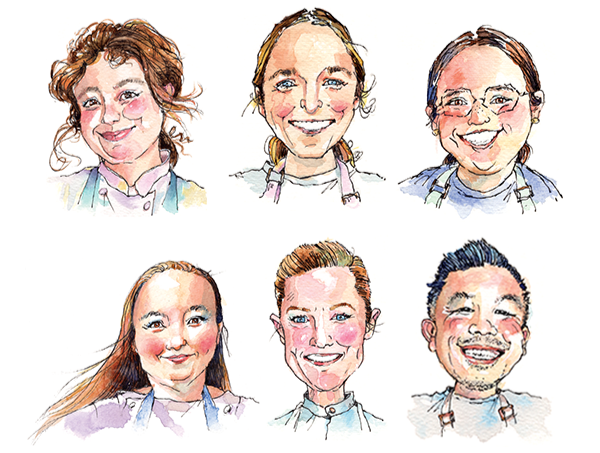
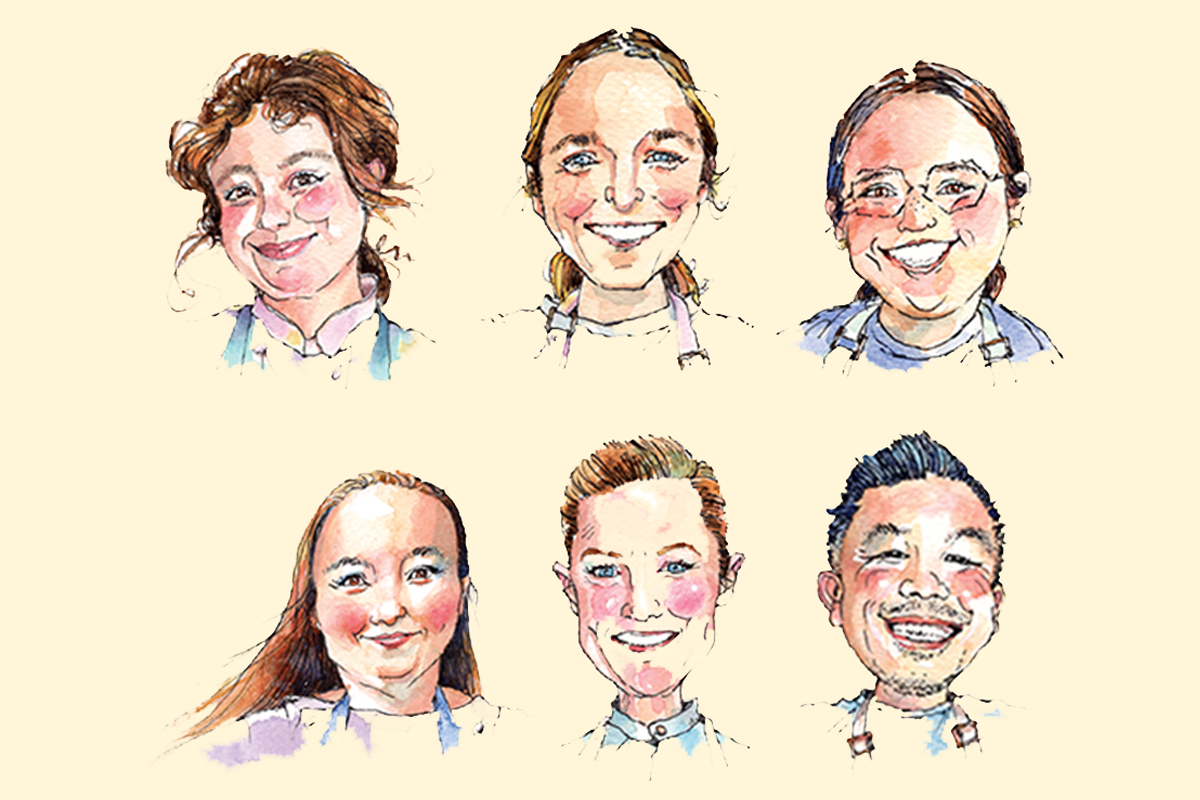
Illustrations: Cindy Salans Rosenheim
From Boudin Bakery’s original sourdough loaf debuting in 1849 to Tartine’s codex for from-scratch baking in 2006, the Bay Area has long influenced the baking and pastry culture of the United States, cementing its breads, desserts, and baked goods as industry standards.
But as restaurants across the country face operational challenges and high food costs, the pastry profession has been put in a tough spot, with chefs forced to advocate for their own relevance and necessity. It has also required a bit of flexibility and adaptation. Despite the uncertainty and frustrations of the job, the Bay Area has remained a place where pastry chefs can build strong, long-lasting careers without sacrificing their passion. The StarChefs team sought out some of San Francisco’s pastry chefs, chocolatiers, and bakers for a little pep talk and some practical advice on how to build a sustainable career on the sweeter side of things
What sets San Francisco apart as a place to build a career in pastry?
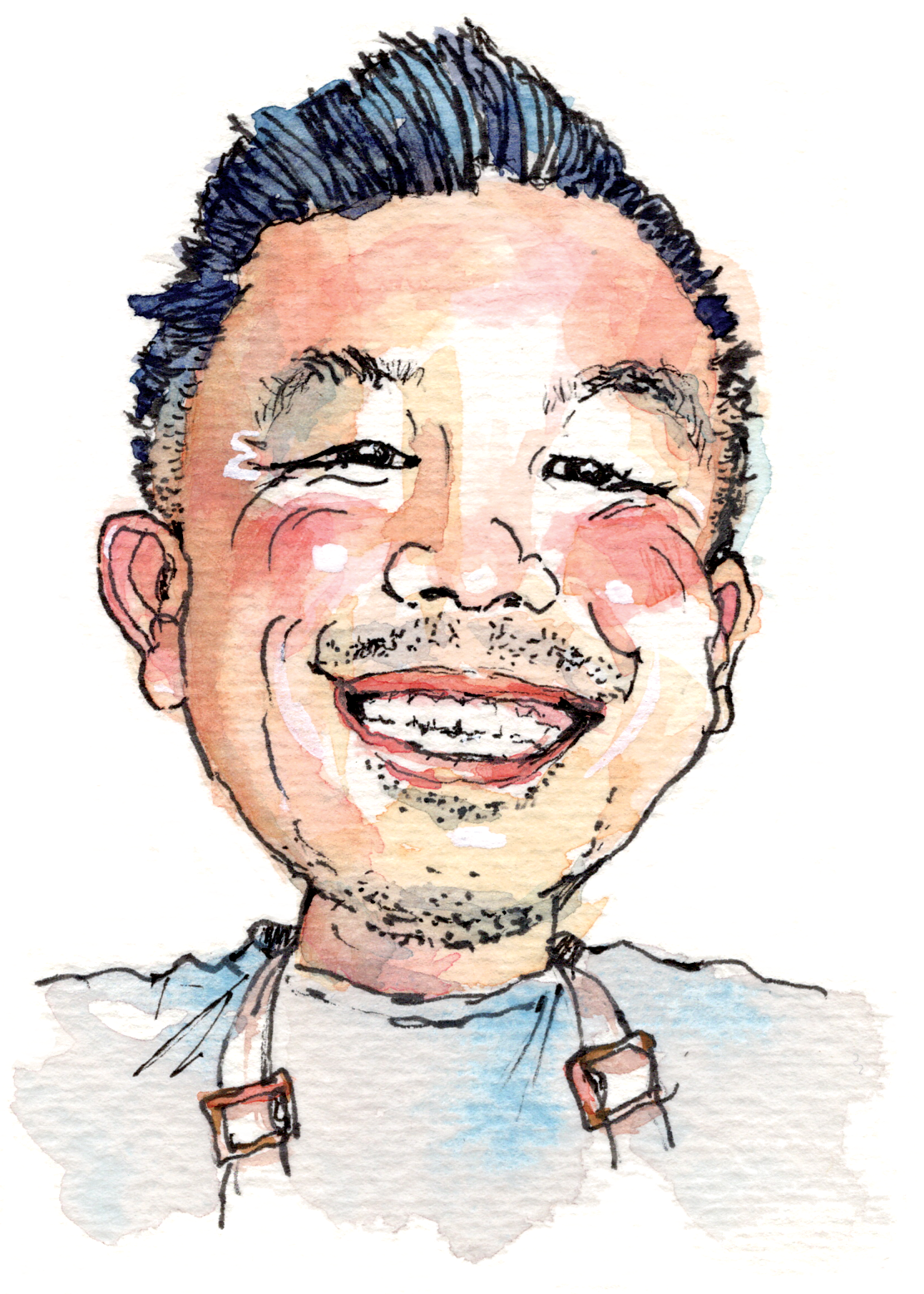
“San Francisco is the only place outside of Paris where everyone has a favorite croissant. It's almost to the level of how fiercely we debate our burritos. The area has hundreds of fine dining restaurants that value pastry and carry pastry chefs. There are so many opportunities everywhere because San Francisco is truly a city focused on sweets and the pastry arts.”
— Chocolatier Mark Lieuw of Stay Sweet SF
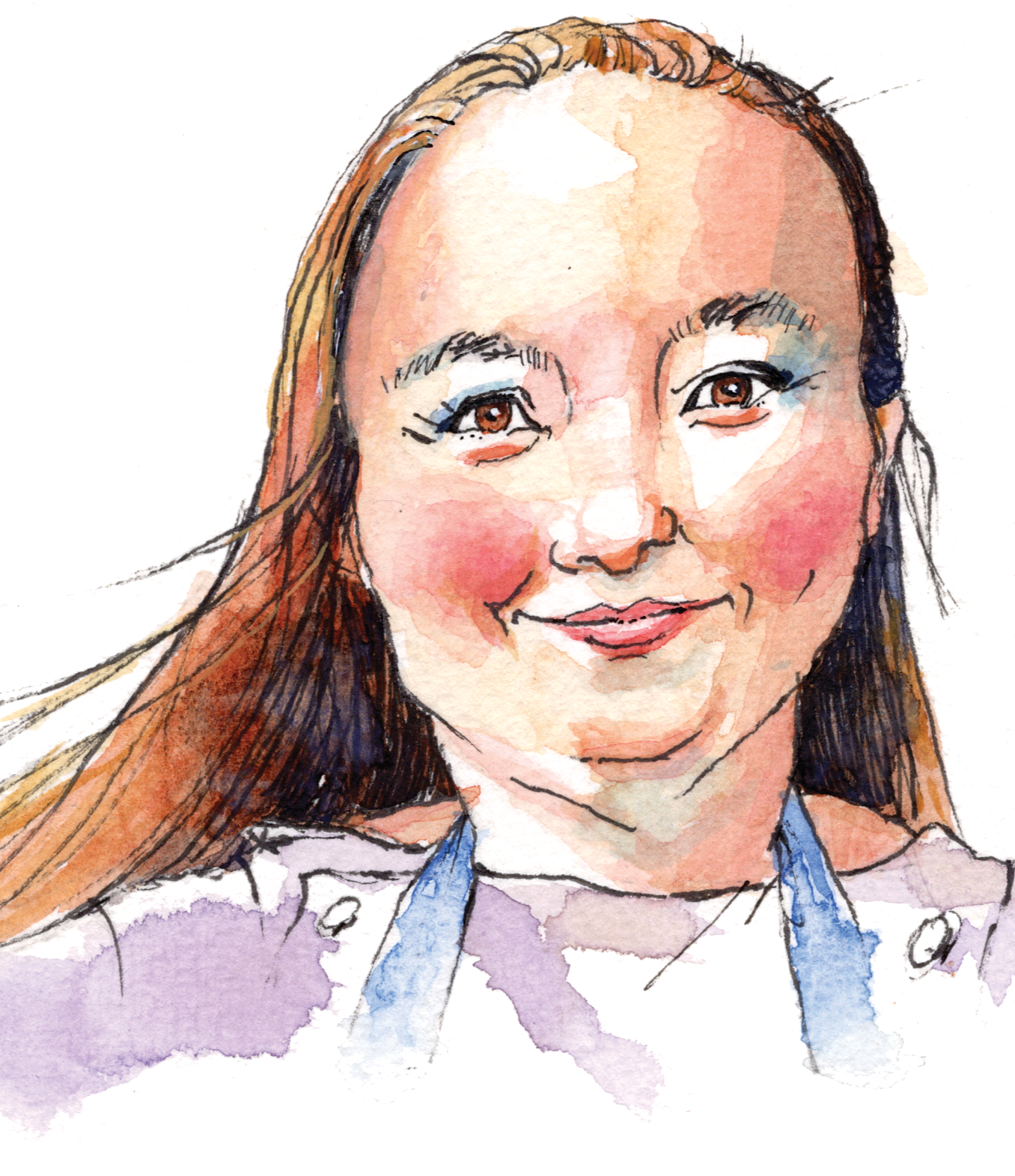
“People love sweets here and if your product is good, San Franciscans love a good queue around the block. I think that’s awesome, and it’s encouraging to see these small businesses get that kind of love from the community. I also love the amount of natural resources available here in the Bay Area that as pastry chefs we can have fun playing with. Working with passionate farmers and growers makes our jobs so much more enriching. Not only are we blessed with amazing produce, but we have phenomenal cheese and dairy, honey, flours, wine, beer, and chocolate just to name a few.”
— Pastry Chef Deirdre Balao Rieutort of Jupiter Room.
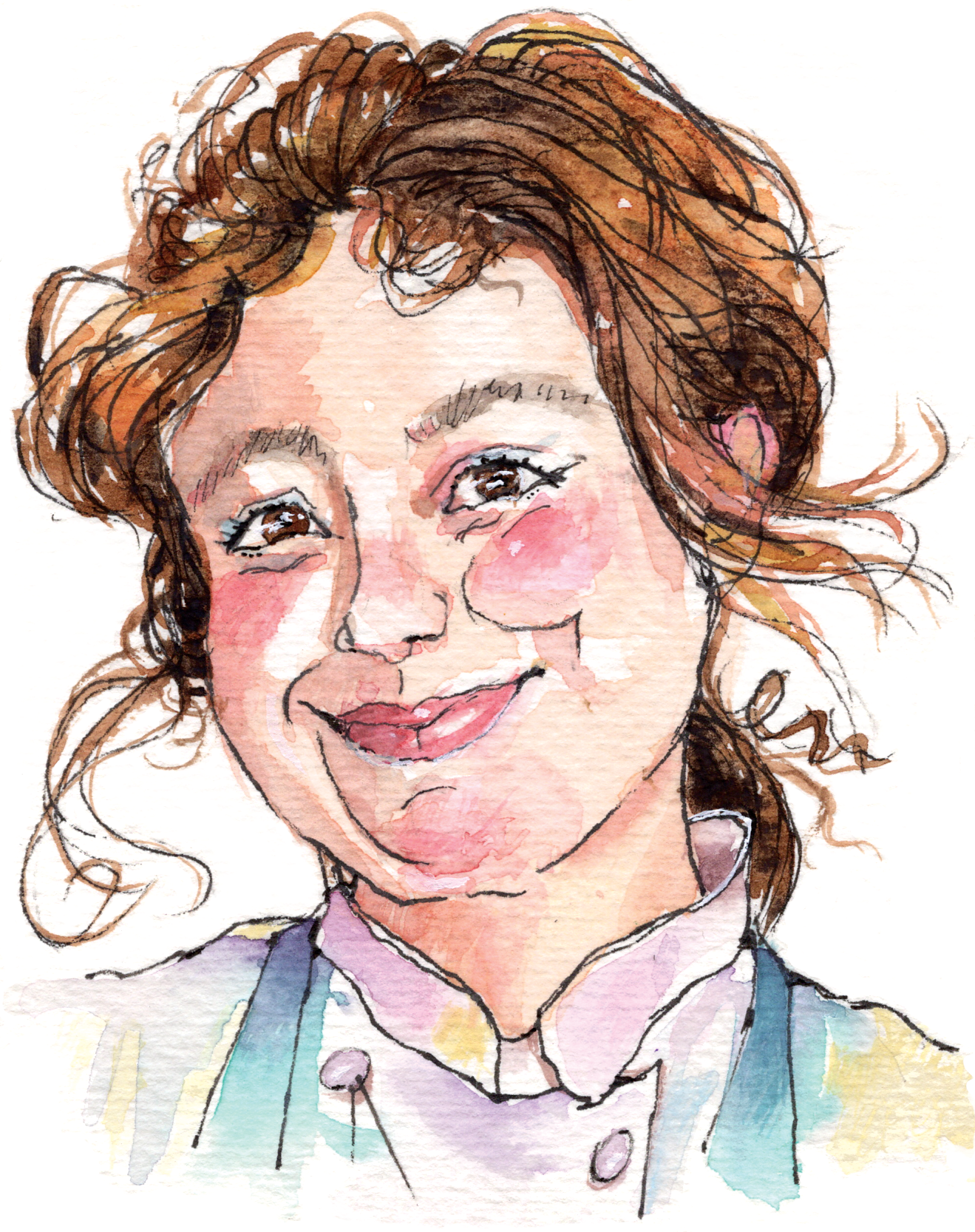
From my experience, San Francisco’s pastry community genuinely cheers one another on. I am grateful to have a network I can reach out to when I am stuck on an idea, recipe, or concept. They are also the first to celebrate an accomplishment or applaud a dish or dessert I share. Because of that community, I think San Francisco is an incredible place to begin a career as a young pastry professional. The breadth of outstanding bakeries alone will overwhelm you—in the best way. Whether you want to dive headfirst into chocolate, baking, or fine dining, you are surrounded by creative and talented chefs whose voices carry far beyond the city.”
— Pastry Chef Yesenia Castañon of JouJou and Lazy Bear
What kinds of opportunities are there for pastry chefs now? How has that changed since you first started in the industry?
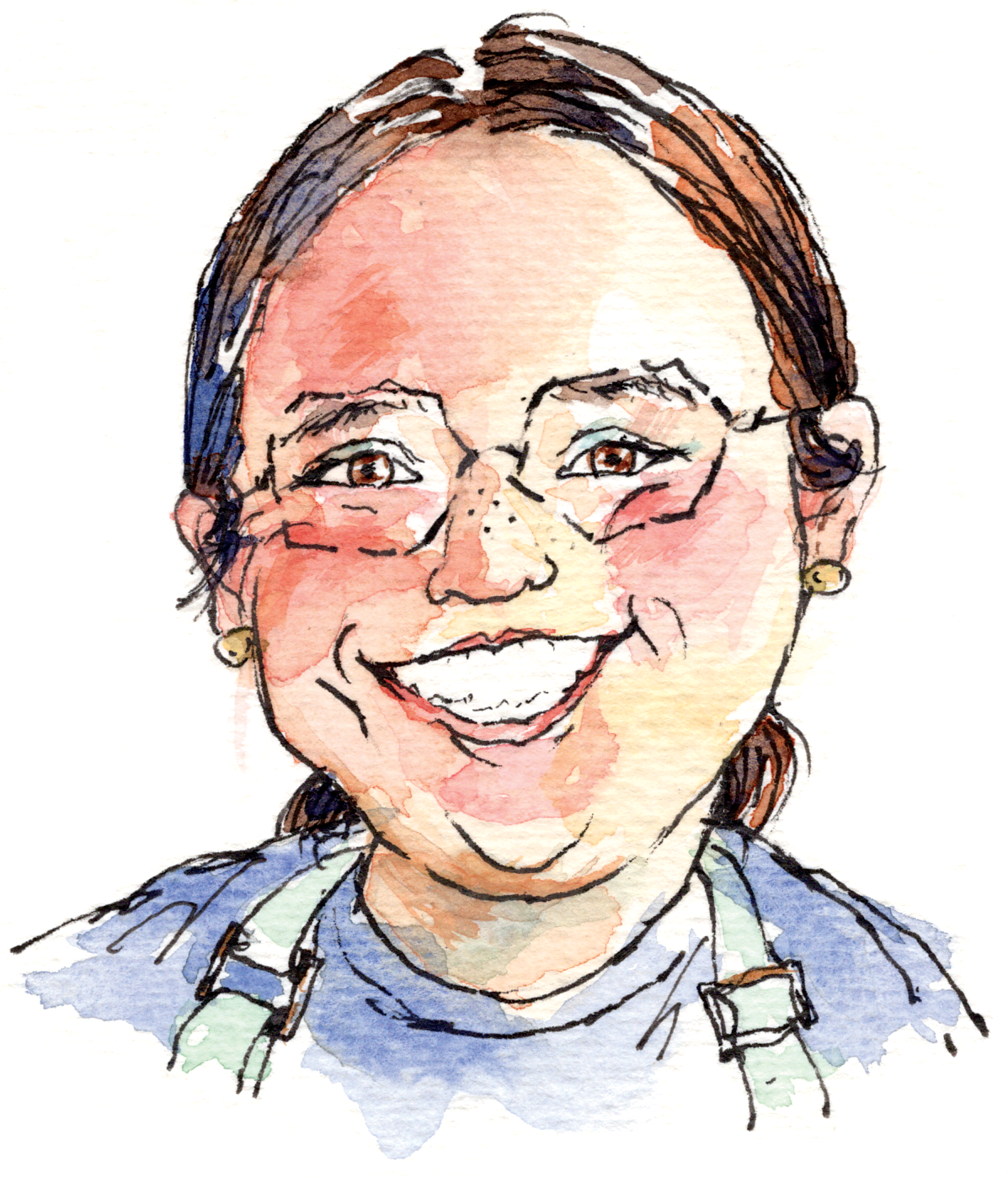
“More opportunity, but in a different kind of way. Restaurant pastry jobs have gotten scarcer. Plenty of kitchens folded dessert into the savory side. But independent work has exploded: pop-ups, market stalls, preorder drops, consulting, and cottage bakeries. Bakeries especially. Pastry chefs are opening their own shops and people are lining up down the block for them, which says something about where the excitement is right now.”
— Pastry Chef Melissa Loar of Lorella, Frances, and Octavia
“When I first entered the restaurant world, almost every restaurant had a dedicated pastry program. In recent years, dessert has sometimes become an afterthought. I have heard firsthand from chefs who felt dessert did not matter or was not why people went to restaurants. I do think that is slowly changing. Guests are increasingly drawn to restaurants where dessert has a real voice, and pastry teams are receiving more recognition. I would love to see more restaurants invest in dedicated pastry chefs and teams, allowing for greater creativity and expression.”
— Pastry Chef Yesenia Castañon of JouJou and Lazy Bear
“It comes down to finding what you’re passionate about. There are so many opportunities everywhere you look from restaurants to catering to pastry shops to bread bakeries. Compared to when I first started in the industry, there are so many bakers and artisans who have gone out there on their own, like myself, doing pop-ups and running their own small businesses from Vietnamese pastries, wedding cakes, ice cream, cookies, Filipino pastries, croissants, and viennoiserie.”
— Chocolatier Mark Lieuw of Stay Sweet SF
What is the number one piece of advice you would give to an aspiring pastry chef?
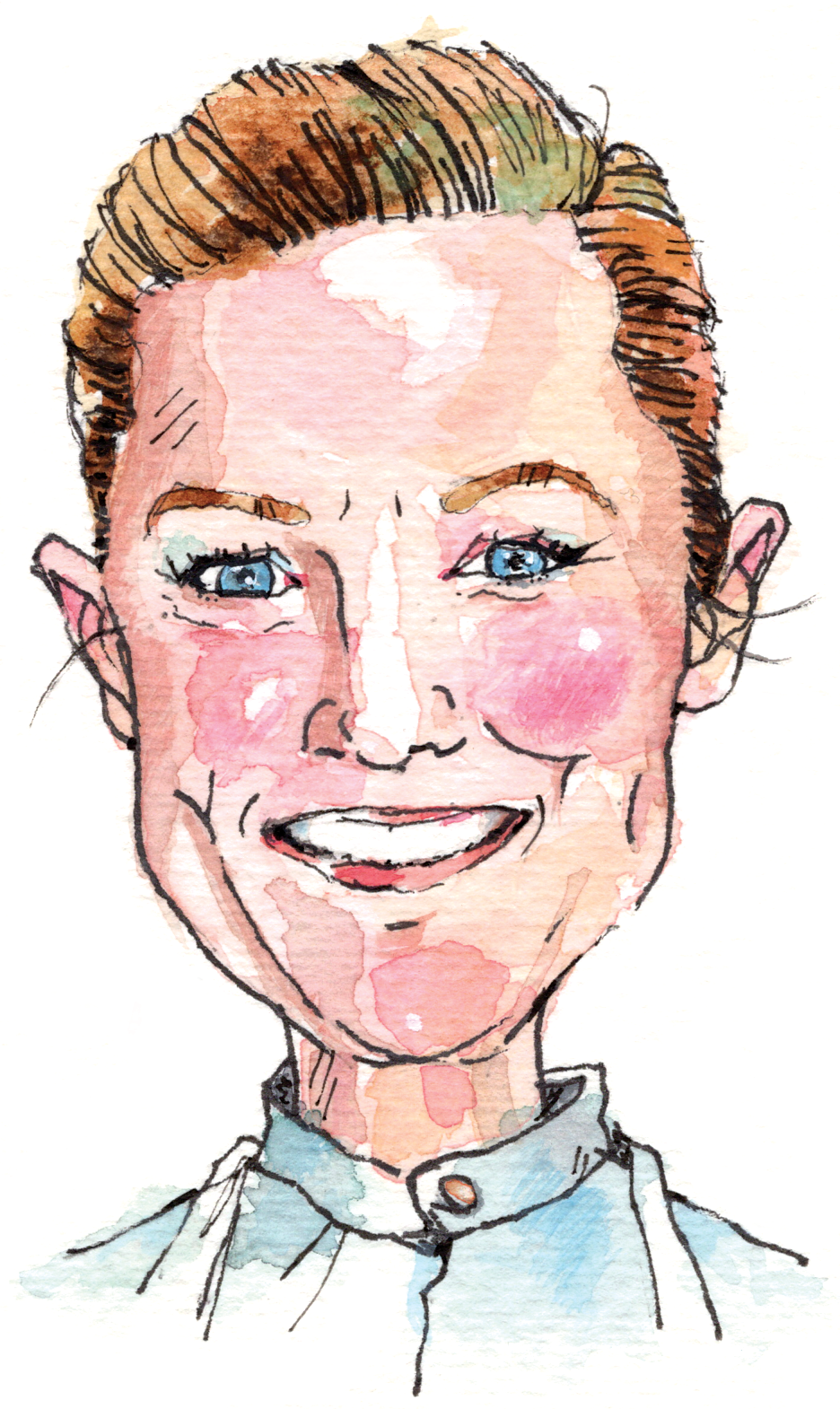
“The best advice I can give is to be patient with your growth. It’s easy to compare yourself to your colleagues or what you see online, but great pastry is built through repetition, consistency, and countless small improvements over time. Master the fundamentals, ask questions, and stay open to inspiration outside the kitchen. Your own style will come naturally once you’ve built the skills and confidence to support it.”
— Pastry Chef Emma Alden of Quince
“Stay curious and take advantage of everything available to you. Go to the markets, build relationships with growers, taste what they're bringing in. And don't be precious about technology. I'm learning to use AI to help me brainstorm flavors, build spreadsheets, and cost out recipes. The craft is still the craft, but there's no reason to make the rest of the job harder than it needs to be.”
— Pastry Chef Melissa Loar of Lorella, Frances, and Octavia
What skill sets would you recommend the next generation of pastry chefs invest in to be successful?
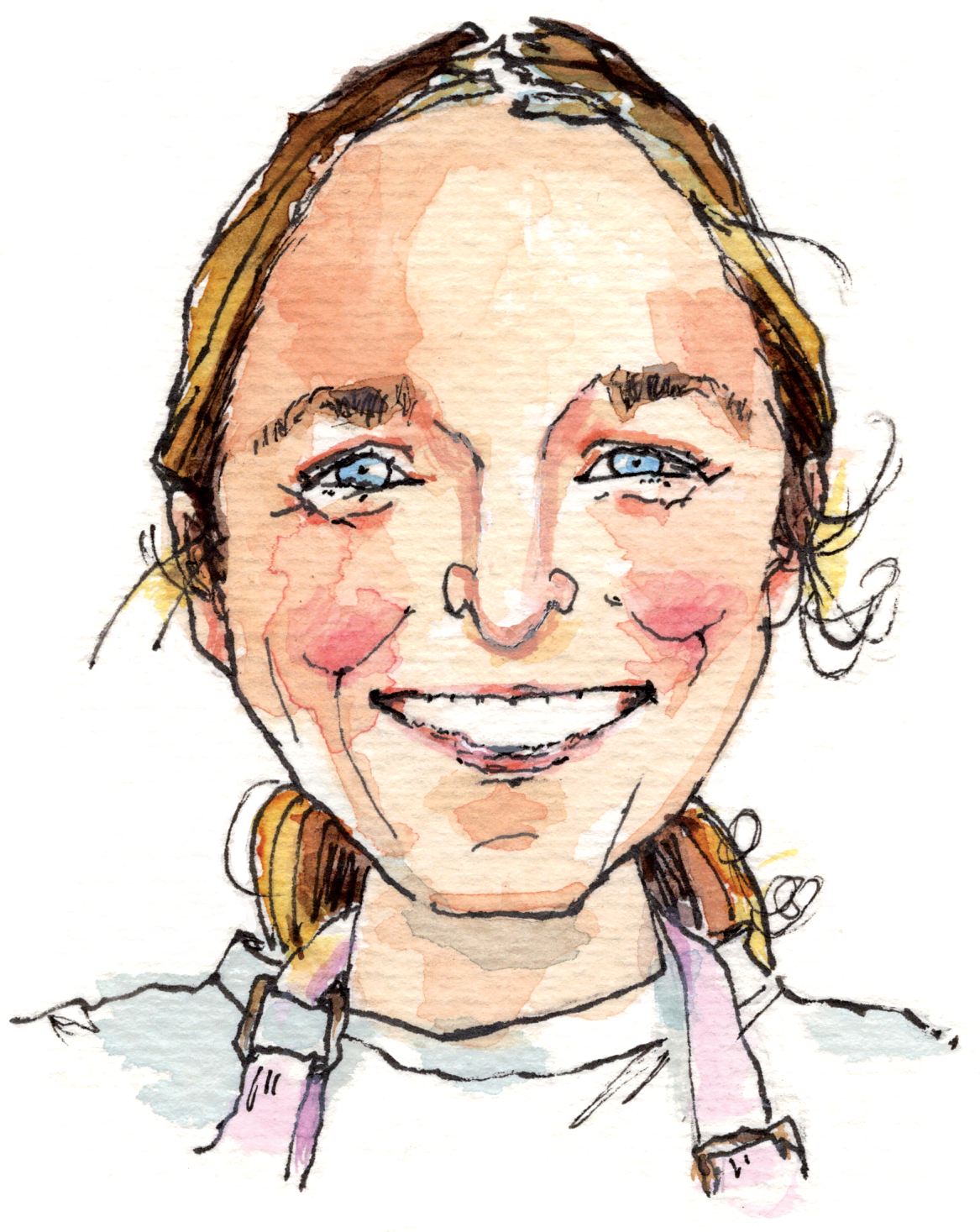
“Savory cooking! There is such an incredible wave of pastry chefs utilizing culinary techniques to make more complex and often savory pastries. When I went to culinary school not too long ago, there was such a divide between the pastry and culinary programs. The pastry chefs were taught to follow every rule and recipes exactly, while culinary students were taught to never trust the recipe and rely on their taste buds and senses. I think the sweet spot is somewhere in the middle, and that knowing how to perfect recipes and having the confidence to break them is what is making today’s pastry chefs successful.”
—Pastry Chef Sophie Smith of Butter & Crumble
“Firstly, computer skills. Take a basic introduction class on Microsoft Excel. You will take those skills with you everywhere you go. Being able to generate your own costing sheets, inventory and prep lists, and recipe documentation is vital and will save you a lot of headaches. Secondly, basic human interactions. It’s not a new skill set but it’s something that I observed is lacking more in society. While restaurants are extremely “guest satisfaction focused” we tend to forget that chefs are also human beings with lives and emotions. Saying hello and goodbye to everyone is a must whether it’s the porters, front-of-house teams, a delivery person, or your boss. Some chefs tend to be so tunnel-visioned on the work that they forget the people around them helping them create the magic.”
—Pastry Chef Deirdre Balao Rieutort of Jupiter Room
“Strong technical skills provide the foundation, but creativity and adaptability are what allow chefs to lead successful teams and create memorable experiences. I would encourage young chefs to invest just as much in learning about agriculture and seasonality, becoming strong communicators, and—most importantly—developing their palates. Taste constantly, try new things, and train yourself to recognize balance and restraint. The ability to create desserts that are thoughtful and perfectly seasoned rather than overly complicated will always stand out.”
—Pastry Chef Emma Alden of Quince
What do you hope to see the next generation of pastry chefs and bakers achieve? Where do you see the profession heading?
“I would love to see more women finding their own in the industry and re-establishing kitchen culture as a place run with empathy, support and compassion.”
—Pastry Chef Sophie Smith of Butter & Crumble
“I would love to see the next generation of pastry chefs more widely celebrated and prioritized as a crucial part of the dining experience. I think the profession is on the upswing: more pastry chefs are being recognized, and restaurants with strong pastry programs are increasingly seen as special-occasion destinations. Dessert creates a particular kind of memory and celebration. No one sings “Happy Birthday” over a steak. I love steak, so please do not come after me—but there is something uniquely meaningful about ending a meal with dessert.”
—Pastry Chef Yesenia Castañon of JouJou and Lazy Bear