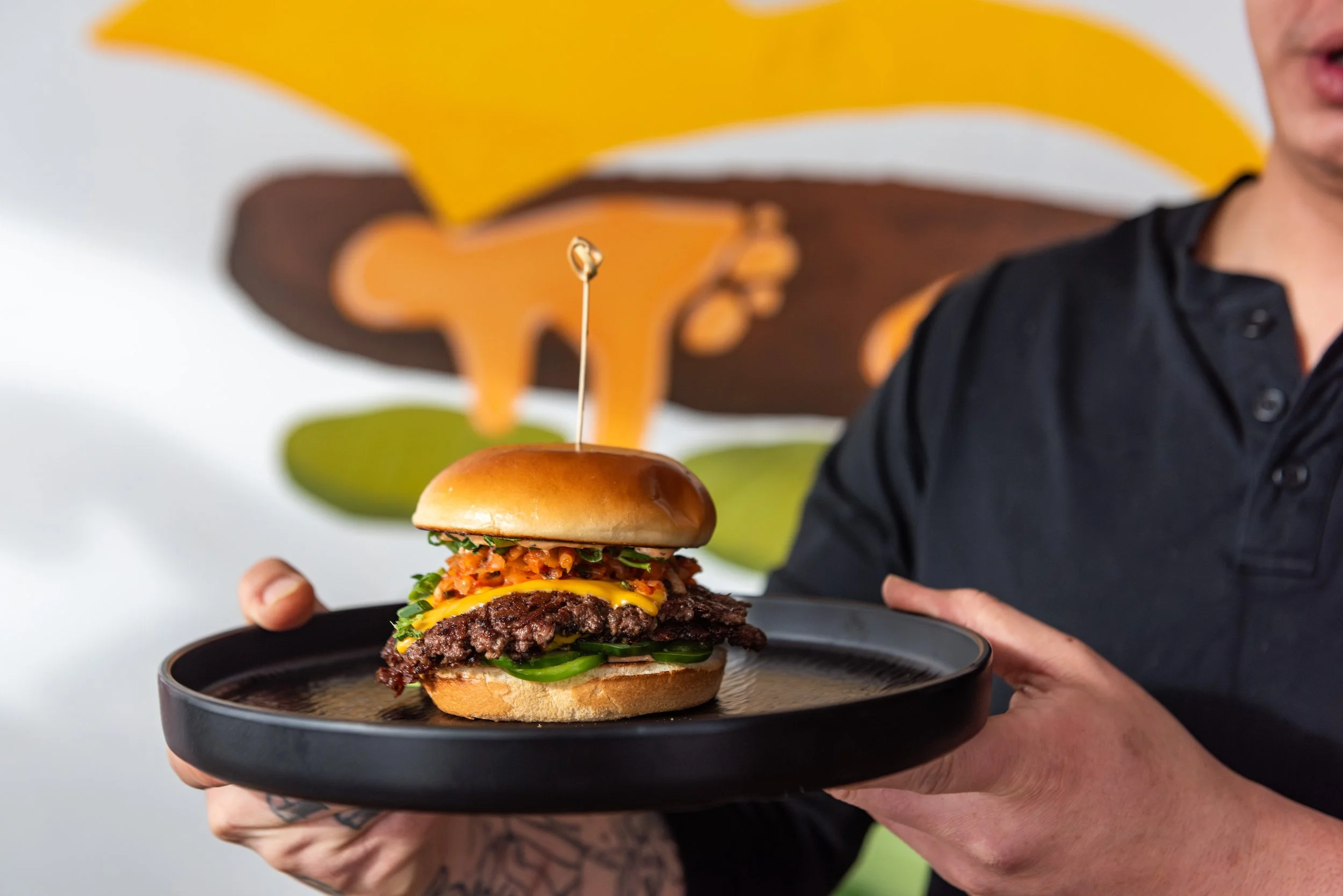
2025 Seattle Kitchen Notebook
An in-depth look at some of our favorite dishes and cocktails from our time on the ground in Seattle.
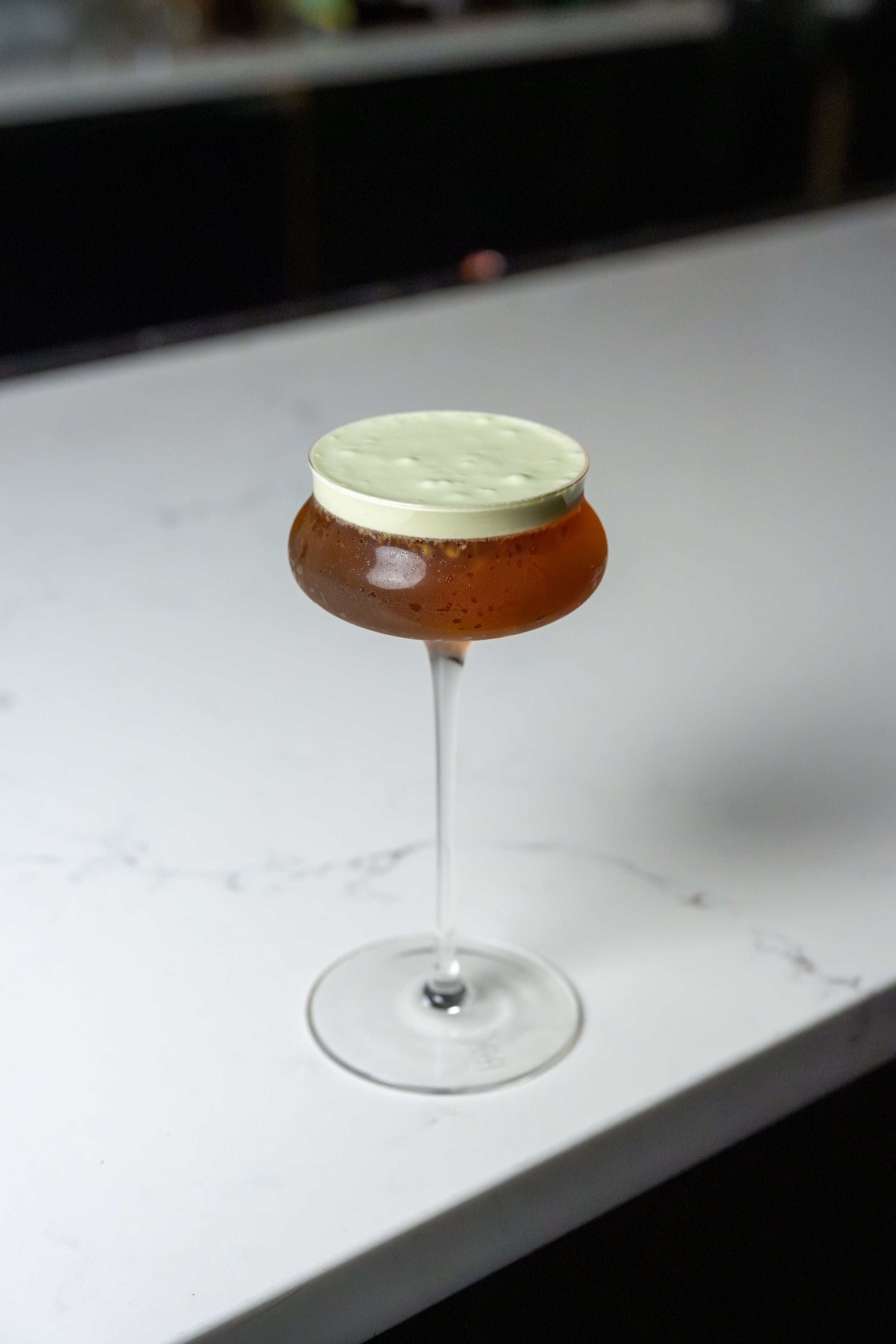
JIMINY CRICKET
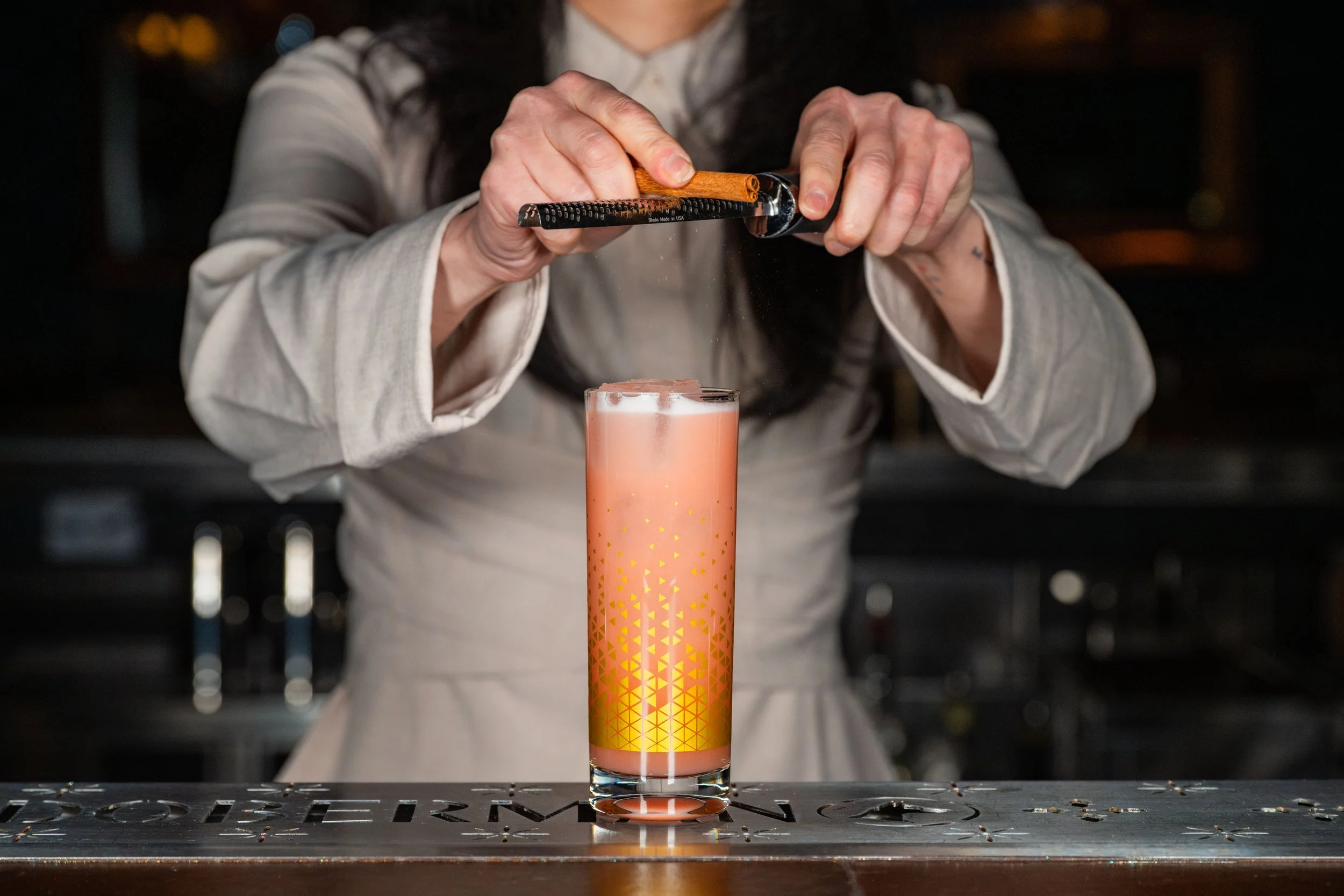
Ingredients are like people—they all have a personality,” says Bartender Chelsea Mathews of The Doctor’s Office. Her Jiminy Cricket is a loud, rockin' riff on a Grasshopper. The build comes together like a band with big instruments: Fernet Branca Menta brings a menthol bite and bitterness; Cognac supplies heat and a smoothing polish; crème de cacao adds body and a little sugar; and some Jamaican pot still rum provides “a whisper” of funk and a little lift. Mathews refuses the equal parts philosophies of negronis and corpse revivers—she dials each spirit until they reach equilibrium. The star of the cocktail, though, is a matcha cream that serves as a condiment and a texture cue all at once. Heavy cream is shaken with Bénédictine, vanilla, salt, honey, turbinado sugar, and sifted matcha until it’s thick, almost ice-cream smooth, but not cloying. It’s her ode to her time learning the art of balance at bars in Honolulu, and to the cookie-aisle nostalgia the drink evokes. There’s Thin Mint on the nose, dessert adjacent on the palate, with a backbone that reads boozy and grown-up. The color does intentional work, too. “You eat with your eyes,” Mathews says. “That not-shy green sets the tone and hits the Grasshopper memory right away.” The cocktail lands with a plush mouthfeel, cool mint, and a neat thread of bitterness; the sweetness stays in check, riding the salinity and herbaceousness instead of smothering them. It’s a confident flip of a classic—thick and chewy, “cookie-style,” but restrained. It’s built to be seen, smelled, and drunk faster than you’d expect.
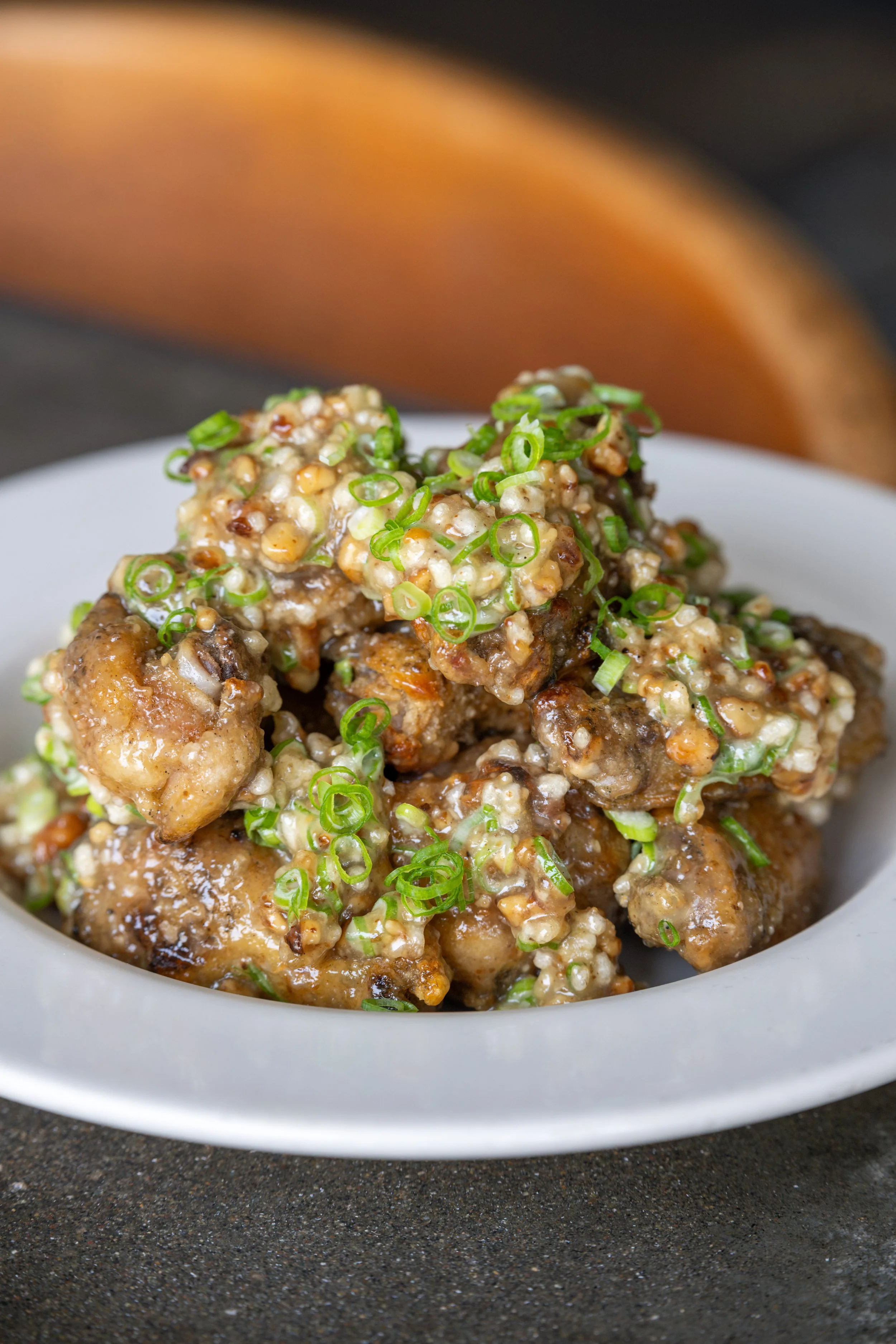
HONEY WALNUT WINGS
Chef Kyle Fong started whipping up weekly wing specials as a way to attract guests to Delancey’s sister restaurant, Essex. The hype grew quickly, and soon Fong’s wings were on the menu at both concepts every Tuesday and Wednesday night. Although the set changes every week, his honey walnut wings were a certified hit, built on his nostalgic, even ironic, love for Panda Express and classic Chinese American dishes. The wings start with a simple cornstarch dredge and are fried at a low temperature of 275°F for three minutes. The wings are frozen briefly—which “helps break down the protein structure so they can get crispier,” says Fong—and then fried again at 375°F for 45 seconds. For service, the wings get picked up in the restaurant’s 700°F pizza oven to heat through and develop a crispy exterior before they are tossed in a mayonnaise-based sauce made with sweetened condensed milk, MSG, and rice vinegar. Fong garnishes the dish with plenty of scallions, puffed rice, and walnuts—which are boiled in simple syrup, strained, tossed in powdered sugar, fried, and covered in more sugar to give them a glazed, candied texture. “My grandmother, who is Chinese, made these nuts growing up,” he explains. “She would give them out for the holidays.” The sweet and salty wings are one of many iterations Fong and his team have dreamt up over the past year (others include riffs like dill pickle, chicken piccata, smoked barbecue, and mala spice), proving that succinct, crowd-pleasing dishes can still be a powerful vessel for both comfort and creativity.
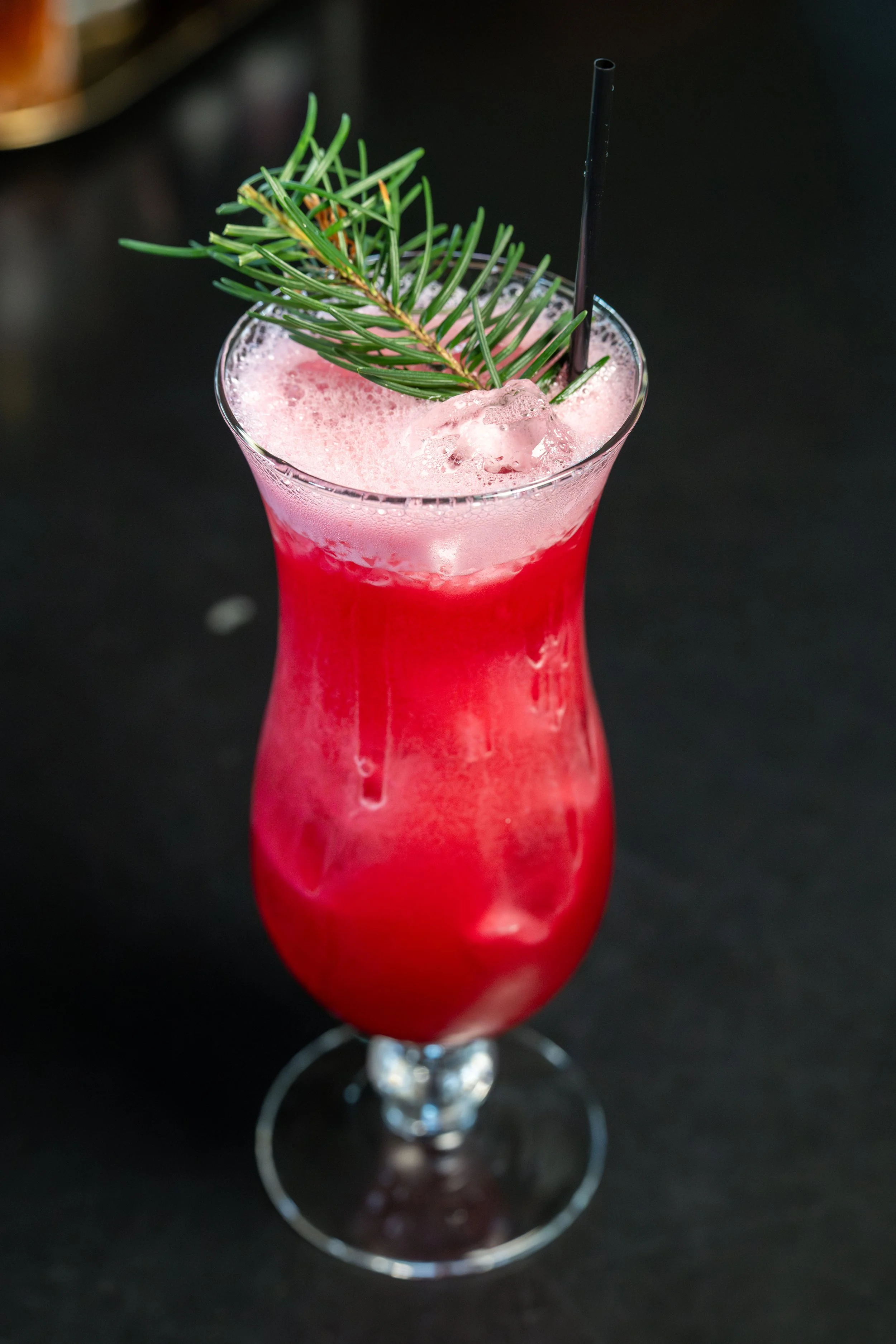
Glacier Peak
Bartender Dasha McMurray doesn’t like naming cocktails. So, when The Mountaineering Club was changing up its menu, McMurray found a solution: a concept menu of the highest mountains in the world, incorporating ingredients from the regions in which they are found. “Someone already named the mountains. It’s perfect!” jokes McMurray. Thus, Glacier Peak was born. For the gin-based drink, she uses Astraea Forest gin, which “tastes like a forest,” and Brovo Douglas Fir liqueur, that's locally made using ingredients from the Pacific Northwest. For the berry component, none of the fruit syrups she was making were perfect, but then she remembered the compote her grandmother made in Ukraine out of berries from her garden. The stock—made with black currants, strawberries, and blackberries—is balanced with sugar, acid, and citrus. For the alpine bitters, she infuses high-proof vodka with pine tea, juniper berries, gentian root, cardamom, stinging nettle tea, wormwood, Douglas Fir needles, eucalyptus, and a lemon peel for at least two weeks. The cocktail is light and refreshing, but McMurray thinks part of the reason it's such a big seller is its presentation. Garnished with a Douglas Fir branch, the striking Glacier Peak is representative of the beauty of the Pacific Northwest, Seattle summers, and the flavors of McMurray’s childhood. “It’s honestly not just about a drink,” says McMurray. “It's about sitting on a rooftop, looking out at the mountains, and soaking in that full Seattle summertime experience—incorporating local ingredients and a sense of place into the drink itself.”
Veal Chop and Crawfish
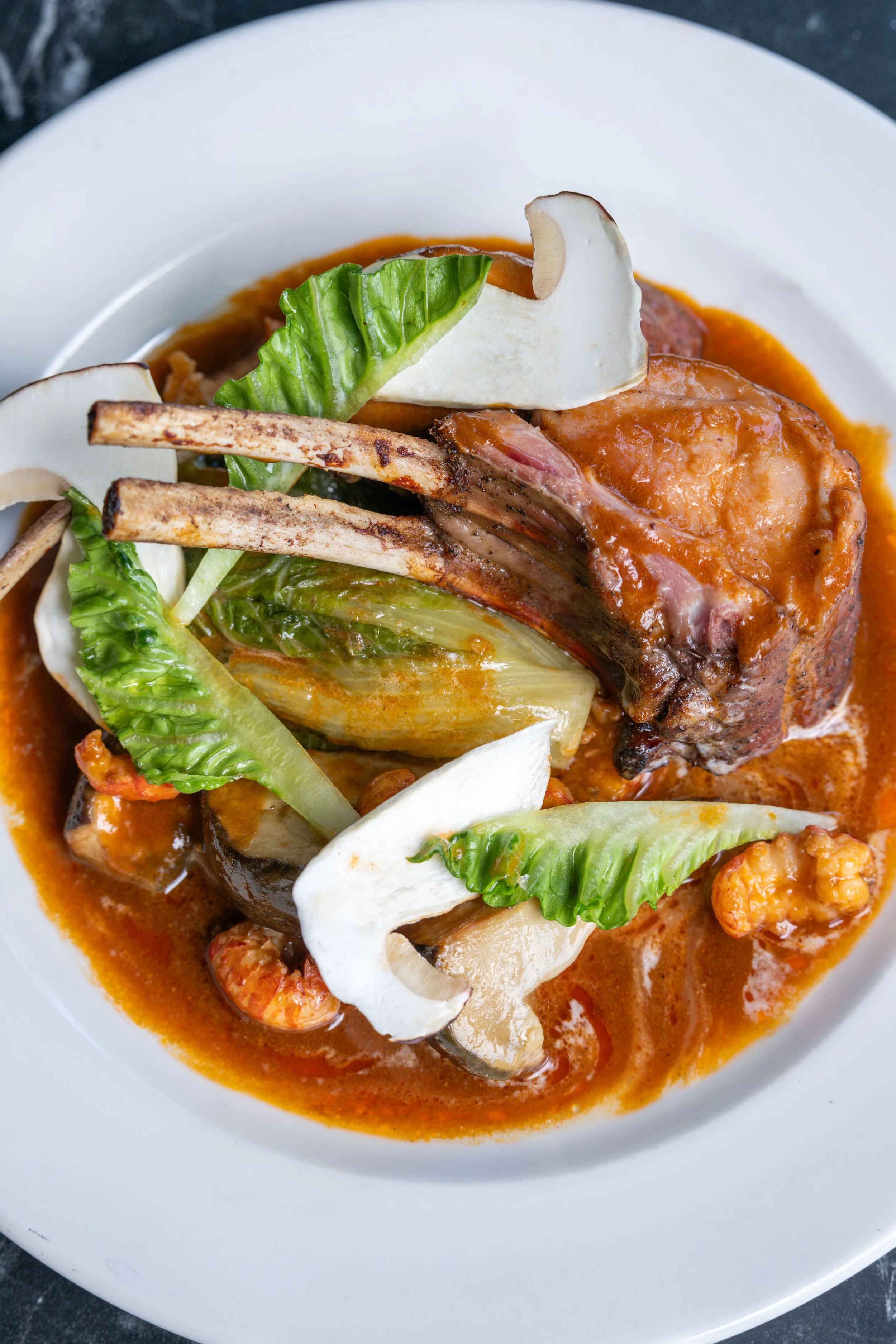
During his time at L’Oursin, Chef Danny Conkling leaned on the ingredients of the Pacific Northwest to bring traditional French dishes to 21st century Seattle. This past spring, the culmination of seasonal products led him down an odd, yet familiar path. “Veal, crawfish, and Nantua [sauce] is a pretty haute, classical dish in its own right,” says Conkling. “This would be absolutely done at a French bistro or fine dining restaurant.” His dish starts with PNW crawfish. The tails are cooked with olive oil, butter, and garlic, and flambéed with brandy until they turn bright red. He takes the crawfish off the heat and covers them with a damp towel to lightly steam before they are peeled hot and reserved. To make the Nantua sauce, the shells and heads are cooked with mirepoix, tomato paste, and veal stock; deglazed with white wine and brandy; and reduced with cream. The mixture is then infused with herbs and aromatics before it’s blended, strained, and reduced again. Seasonal porcini mushrooms, which are roasted with garlic, thyme, and bay leaf, round out the dish while braised lettuce provides “a really good vegetal accoutrement.” Conkling grills the petite veal and slices it into chops for service. The braised lettuce, mushrooms, and veal chops are plated with the crawfish tails and Nantua sauce, which are warmed together with a dollop of crème fraÎche and lemon juice, as well as some shaved porcini mushrooms and fresh lettuce. “We can only do this dish maybe two weeks out of the year,” says Conkling, but it is “like winning the lottery. I’ve seen it in old French cookbooks, and now I get to do it.”
MANGO STicky Rice Rice Krispies
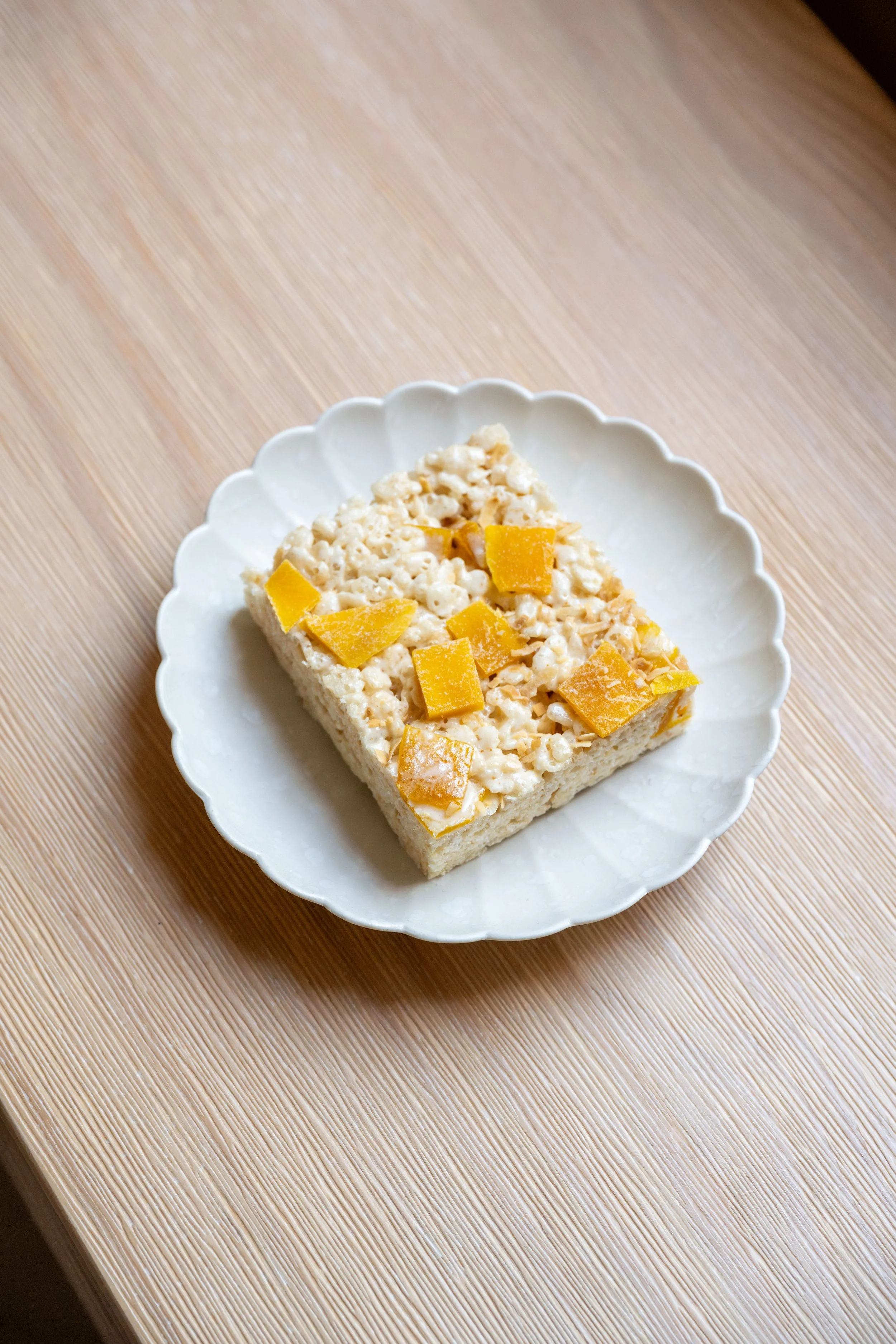
“Rice is my number one favorite thing in the world,” says Pastry Chef Kelly Miao of Seattle’s Kemi Dessert Bar. Her mango sticky rice Rice Krispies Treat takes the Thai classic’s coconut-first pleasure and snaps it into a handheld bar. The base of the dessert is a coconut marshmallow engineered for flavor without moisture bloat. Brown butter is melted down with Jet-Puffed marshmallows that are bloomed with coconut milk powder and a touch of coconut extract. “I tried condensed coconut milk at first and the bars went soggy after a day,” Miao says. The coconut milk powder solved it, bringing clean coconut depth while keeping the crisp cereal intact. Mango arrives in deliberate bursts; they’re not tough or dense. Large pieces of dried fruit are folded throughout, so the eating mirrors her ideal bowl: “About 70 percent coconut rice, 30 percent mango.” She resists suggestions to toast the cereal. “Mango sticky rice isn’t a toasty dessert,” she says. “I wanted that light, milky ‘just-cooked rice’ feeling.” She presses the mixture of marshmallow, dried mango, and Rice Krispies gently so the bars stay airy—chewy at the bite, crisp at the break, never a brick. The snack bar is finished with a scatter of toasted coconut on top, which, with the hit of Maldon salt in the marshmallow mix, gives a contrast and pop without pulling it out of character. The treat traces back to her New York City pop-up days and to a stretch in Thailand in 2016, when she ate mango sticky rice “three times a day for two weeks.” The result lands exactly where she wants it: coconut-forward, lightly saline, with brown-butter nuttiness and occasional mango. It’s a faithful echo of the original in a snackable form.
High on the Hog
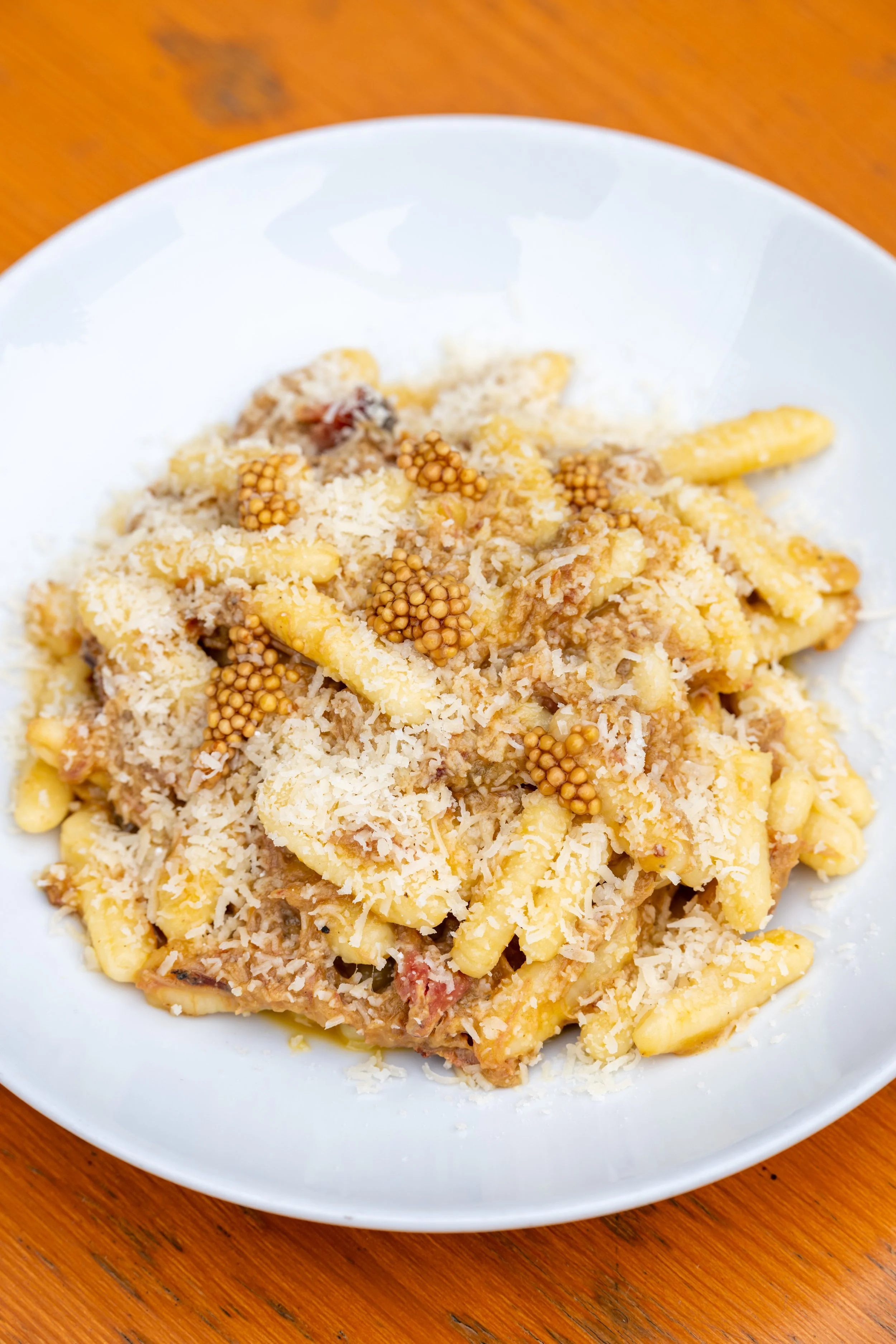
At The Cavatelli Project, co-owners Cooper Smith and Ryan Trimble are constantly switching up the menu, but one item always sticks: their High on the Hog pasta. “It’s definitely the highest selling [item] every week,” says Smith. Their pop-up concept first emerged from their urge to combine Italian and Southern cuisines. “We really wanted to highlight the low and slow of both places,” explains Smith. In an attempt to feel a sense of comfort during the pandemic, Trimble played around with cooking Smith’s favorite Southern dishes from back home with an Italian spin from his previous training. “We always had pasta around and they kind of made their way together,” says Trimble. After experimenting with recipes, High on the Hog was born. Today, Smith and Trimble get their pork from Preservation Meat Collective, which sources from sustainable, free-range farms. After the pork shoulder has been smoked for six hours, it’s finished in the oven in a braise of mustard barbecue sauce, beer, sofrito, and house-made brodo. The key to the creamy and buttery pulled pork ragù is, in part, butter and the pork itself, but also because of the Carolina-style mustard barbecue sauce made from the braising liquid. The cavatelli acts like the bun of a pulled pork sandwich, sopping up the ragù while adding heft and starch. The pasta is topped with parmesan and the bright bite of pickled mustard seeds. “The Italian way of cooking matches the Southern way,” says Smith. “It’s the lifestyle and the cooking.”