Opportunities and Obligations
Richmond chefs and restaurateurs are getting creative and banding together to preserve the city’s local identity
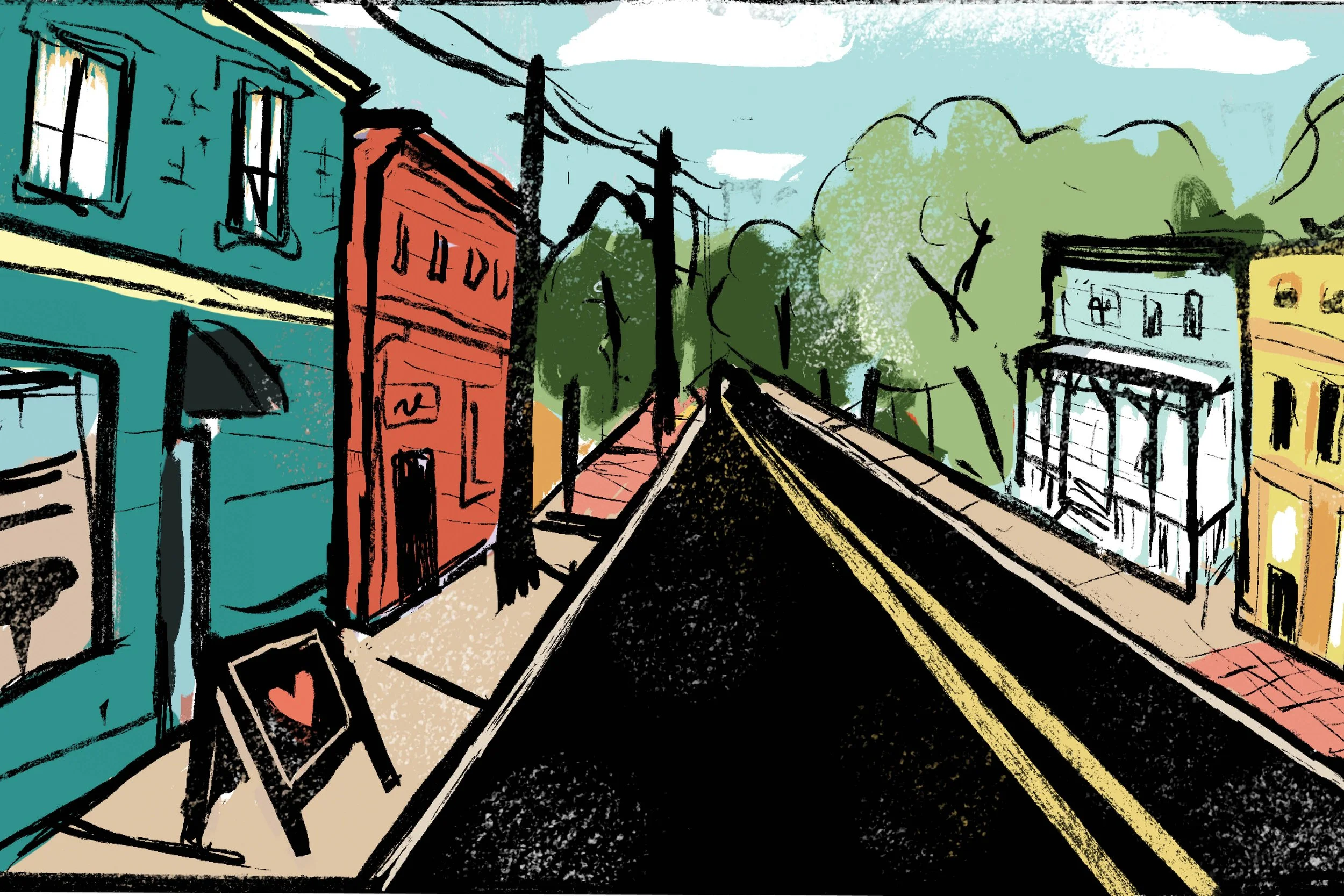
Illustration: Rachel Krohn
Driving around Richmond, Virginia, signs of rapid growth are everywhere. Construction projects and new mixed-use developments line the streets in neighborhoods like Scott’s Addition, Church Hill, and along the James River downtown, where a 750,000-square-foot skyscraper will soon welcome 4,000 employees. Since 2020, Richmond and the surrounding counties of Chesterfield, Henrico, and Hanover have experienced explosive growth in development and population, adding over 52,000 new residents between 2020 and 2024.
Much of this growth and opportunity can be attributed to the perception of affordability and livability. Richmond’s median home price is considerably less than those of New York or Washington, D.C., and the overall cost of living is about six percent lower than the national average. That, combined with its thriving art and dining scenes, has attracted young professionals from all over the country.
But with growth comes growing pains, and the city’s small businesses are feeling the pressure. Independent restaurant owners, the very people who helped create such an enticing city, are being pushed to compete for increasingly shrinking market share to stay relevant in a very crowded field. They’re also shouldering much of the responsibility for preserving Richmond’s uniquely artistic punk essence, holding the role of grassroots community builders as the city’s population balloons.
The scale and pace of growth can make it challenging for an independent restaurant owner to keep up, says Chef Brittanny Anderson, owner of Metzger Bar & Butchery and Pink Room in Church Hill and Bar Buoy in Scott’s Addition. “There's a whole generation of people who don't even know we exist. And I'm talking about people who live in the apartments that are brand new next to my restaurant,” Anderson says. “It's not my dream to be an event planner, and that’s what has happened in our industry. I have to come up with a party every week or a new gimmick just to get people to remember we exist.”
Restaurateur Kendra Feather, owner of three Richmond restaurants, including The Roosevelt in Church Hill and Laura Lee’s in Southside, sees a direct correlation between development, rising rents, and the perception of restaurants as unaffordable for guests and unsustainable as a career. “There has been an outrageous increase in rent since the pandemic, and if rents keep going up, we are going to have a hard time finding people that can live close enough to work for us.”
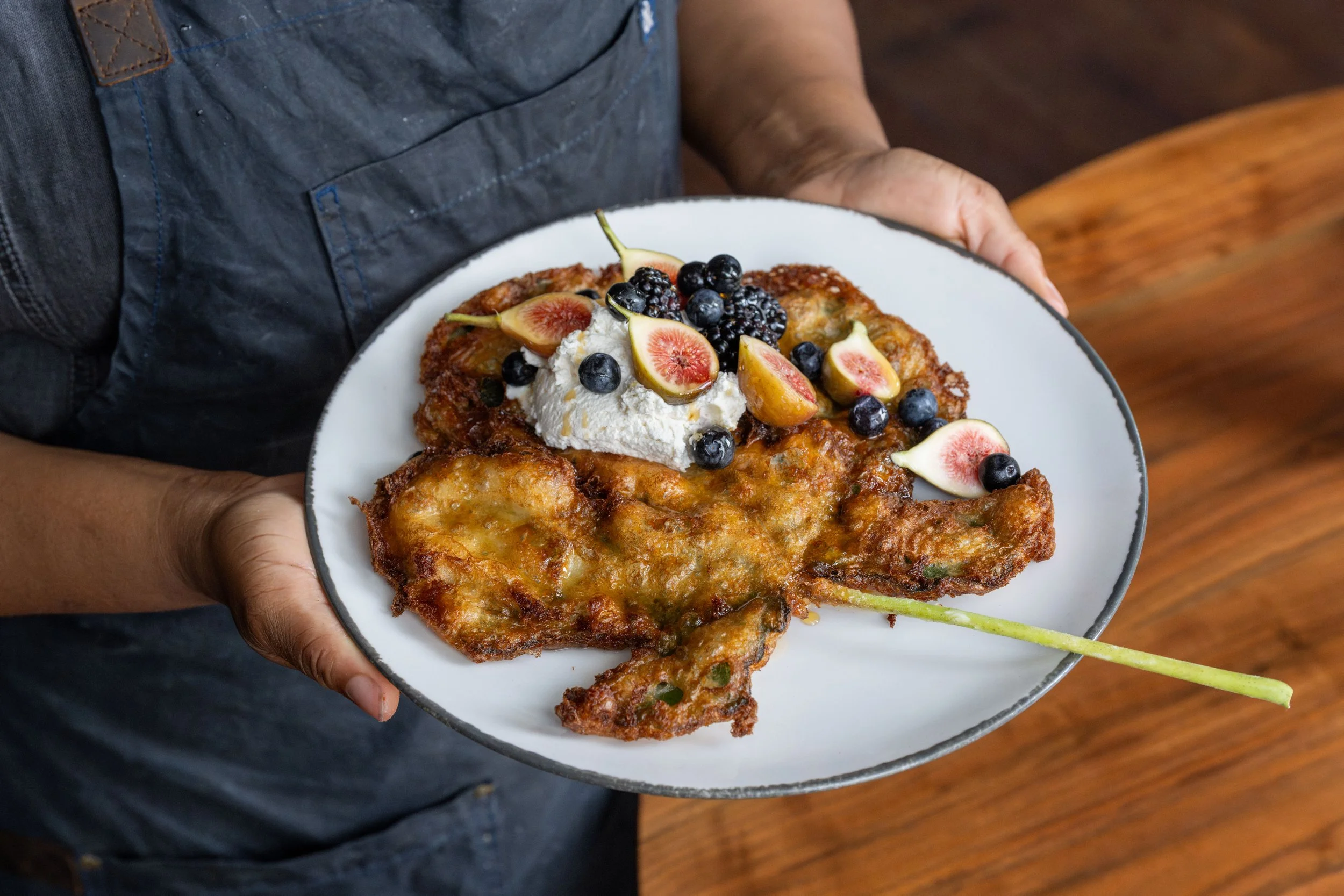
Fig Leaf Fritter, Peach Preserves, Berries, Honey, Ginger Whipped Cream At The Roosevelt | Photos: Will Blunt
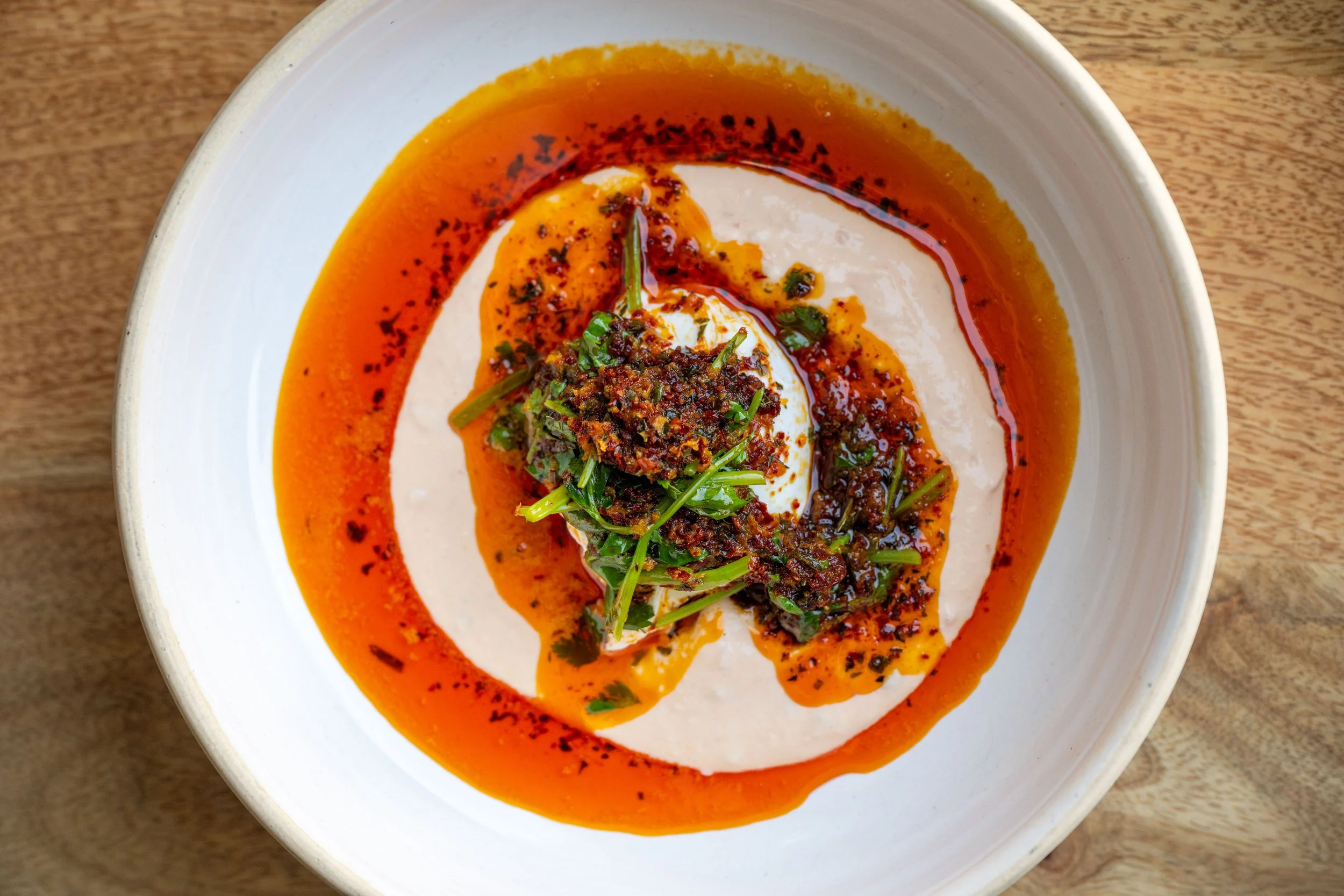
Poached Egg, Garlic Yogurt, Fresno Chile Ferment, Aleppo Chile, Garlic Butter, Dried Mint, Cilantro, Griddled Focaccia at Celladora WInes
Case in point, The Roosevelt’s executive chef, Chef Leah Branch, a local to the area, noticed the change when she returned to the city in 2022. “When I moved back here, I couldn't have imagined that there would be a million-dollar condo next door to The Roosevelt,” says Branch. “Prices seem to be continuing to increase over the time I've lived here.”
For Restaurateur Megan Hopkins, owner of Celladora Wines, a wine shop and restaurant in The Fan, having the infrastructure to support new development is key. “There are still no sidewalks [in Scott’s Addition],” Hopkins notes. “We need to make sure that we have sidewalks and proper lighting in these places where people are supposed to be walking around. You have all these multi-use apartments and you should see people on the street, but I still never do.”
It can feel like a cycle in which many of the challenges are heaped on already struggling restaurant owners: population growth encourages new development, which springs up without supportive infrastructure, and the community becomes increasingly siloed rather than forming connections. Independent restaurants, in an effort to stay relevant and build community, have to work even harder to attract guests. It can be overwhelming and distracting on top of the existing work of running a business.
Chef Yael Cantor, owner of Susie’s Delicatessen, combats these stressors by building community through events. Cantor keeps Susie’s calendar packed with pop-up markets, wine tastings, and karaoke nights. A lover of parties, she says hosting these gatherings is a way to support the community. “Community is one of our values at Susie’s, and it means having a safe space for all types of people,” Cantor says. “That can be [done through] events, or by going out of your way to make someone feel comfortable and special.”
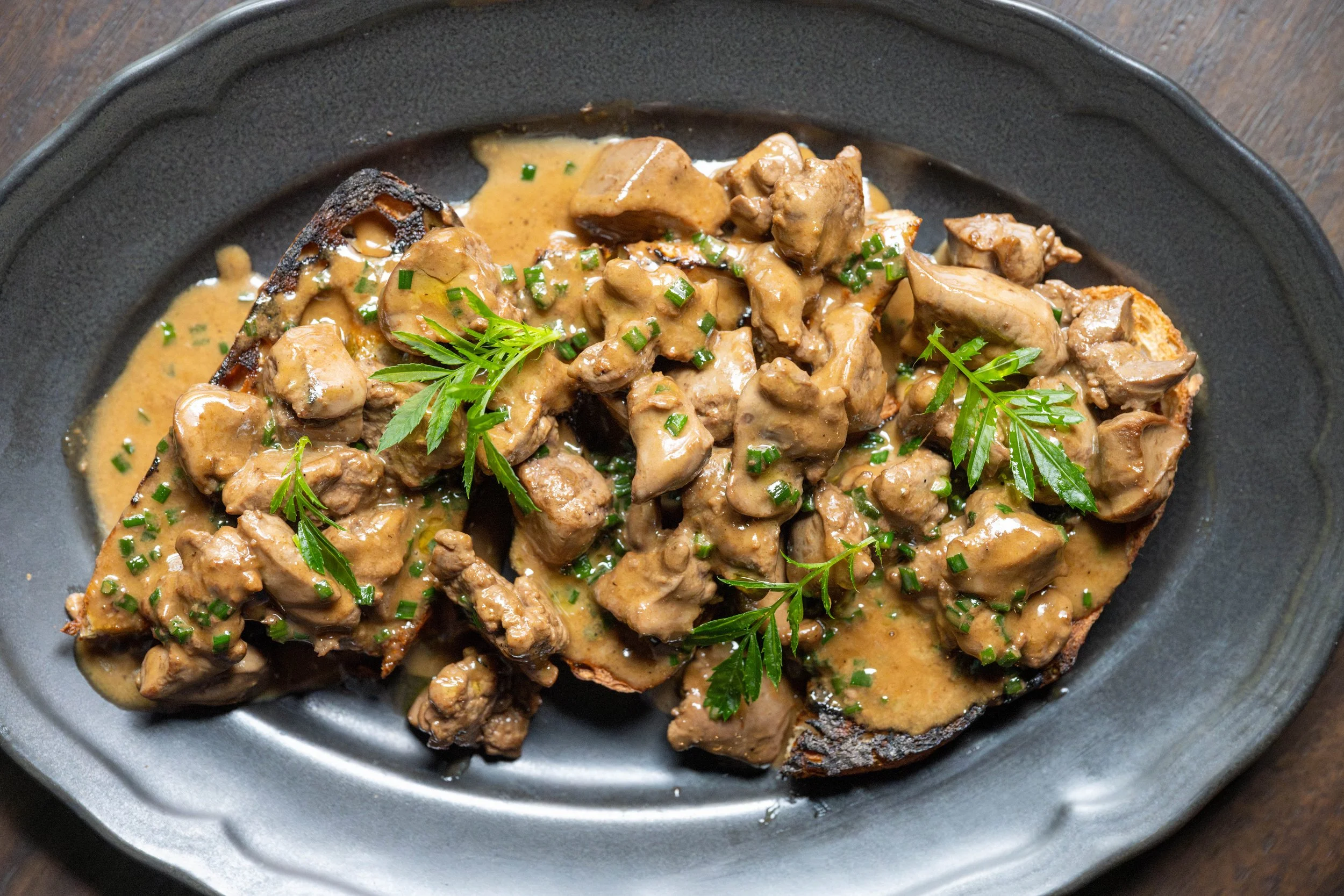
Chicken Liver Toast, Madeira Cream, Shallots, Sour Cream, Chives at Lost Letter

Whipped Ricotta Pizza, Marinated Peaches, Rosemary, Sea Salt at Pizza Bones
“I look at a place like Susie's and, to me, that is a more current, progressive business model,” says Chef Patrick Phelan, owner of Lillian, Lost Letter, and The Brooklyn. “I see a parallel between that hospitality model and record labels in the early ’90s—everybody had to diversify to survive as a record label. There were all these indie labels, and they found out real quick that just selling CDs wasn't going to cut it, so they started going into distribution deals and mergers and merch and movies and a bunch of different stuff. But that business model makes sense because you just need so many touch points to survive. Community is integral.”
For Baker Ashley Patino, owner of Pizza Bones in Church Hill and Julio’s Bagels in Northside, hosting events is about staying relevant while meeting the needs of residents. “Having a space comes with a big responsibility,” she says. “We have a farmer's market because our farmer friends wanted a space that was easier to access for their followers than the overcrowded larger markets that exist around town. That’s the impetus I felt—the responsibility of taking up space and how to use it, and then how to stay relevant.”
For Feather, extracurricular events like pop-up markets are about more than her bottom line; they’re about connecting neighbors. “We see them meet at the bar at Laura Lee’s and say ‘Oh, you live down the street from me,’ and we know they want more of that,” says Feather. “That whole idea is just so vital to people's health. Maybe you aren't making money off that one exchange, but it's just bringing such good energy.”
For the most part, Richmond’s restaurant community embraces the changes, turning to one another for inspiration and support in uncertain times. “It's bringing more people to be able to open more restaurants and have more competition, which raises the bar and makes everyone better,” says Hopkins. “The growth of the city is making it interesting, and that’s exciting for a lot of people.”