Celebrating Black Foodways at The Roosevelt
For Chef Leah Branch, understanding the history of what’s on the plate is just as important as how it tastes.
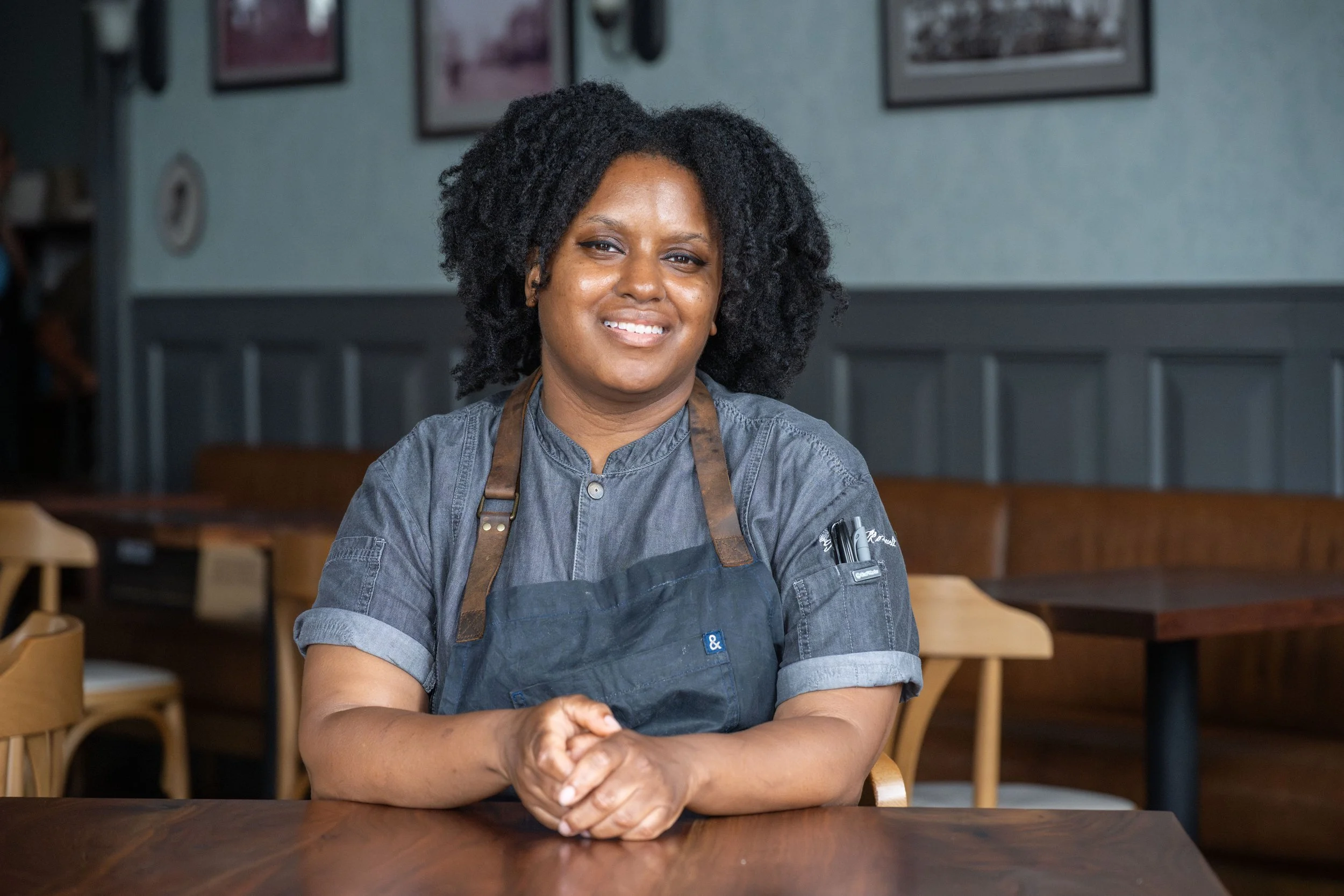
Chef Leah Branch Of The Roosevelt | Photo: Will Blunt
History, for Chef Leah Branch, is something edible.
At The Roosevelt, the 50-seat neighborhood restaurant in Richmond, Virginia, Branch has built a kitchen that treats African American foodways not as a theme but as a throughline. "I think about Africans coming to America and just going from there," she says. "That progression, that timeline of cooking and food and how it's evolved into a lot of what Southern cuisine is now. Which, of course, is the basis of American food."
Branch herself grew up in Chesterfield, Virginia, about 20 minutes outside Richmond. Her parents took her to Black history museums. The church organized field trips. "When I was in school, you didn't necessarily deep dive into Black history like people might today," she says. "But it was a big part of my upbringing." As she moved through professional kitchens, her two interests started to fuse.
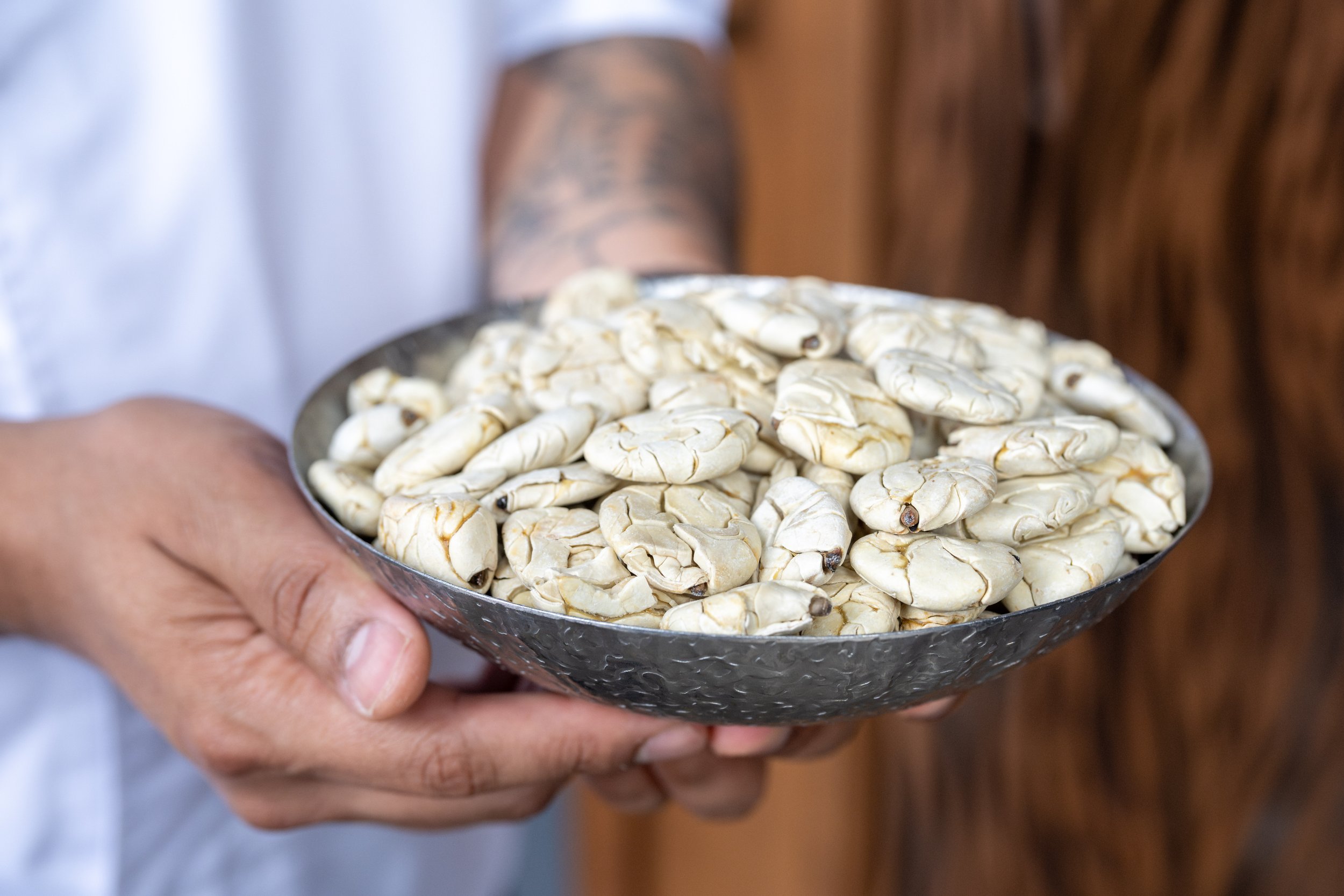
That fusion now drives her work with the Black History Museum in Richmond. For Juneteenth 2025, Branch offered $5+ pay-what-you-can box lunches filled with food tied to the holiday, with proceeds supporting the museum. Later, she cooked for an event benefiting The Well Collective, a wellness nonprofit. Each chef created a dish connected to their own history. Branch made chicken mull, a Southern cream-of-chicken soup, with benne seed crackers, watermelon vinegar from Joshua Fitzwater's Southern Grit magazine, chicken from Blackbird Farms (a Black-owned operation in Colonial Beach), and hot sauce made with Sankofa Gardens peppers.
“This is a compilation of a dish that's true to the area's history, but also showcases what's happening today," she says.
The research is never clean. Branch follows historians like Adrian Miller, Michael Twitty, and Deb Freeman. But the facts keep shifting. "When I was younger, you would always hear that slaves carried seeds in the braids of their hair," she says. "But now people say that's not really true. It may have occurred in some rare instances." One of the current theories is that African produce was brought by enslavers who needed their captives to eat food they'd actually consume, but “there were so many different trades in different areas during slavery and pinning one way down is not possible,” says Branch. "That information is always in flux. At the end of the day, you just do what you can with what you have."