The story behind the group chat keeping Seattle’s industry leaders above water
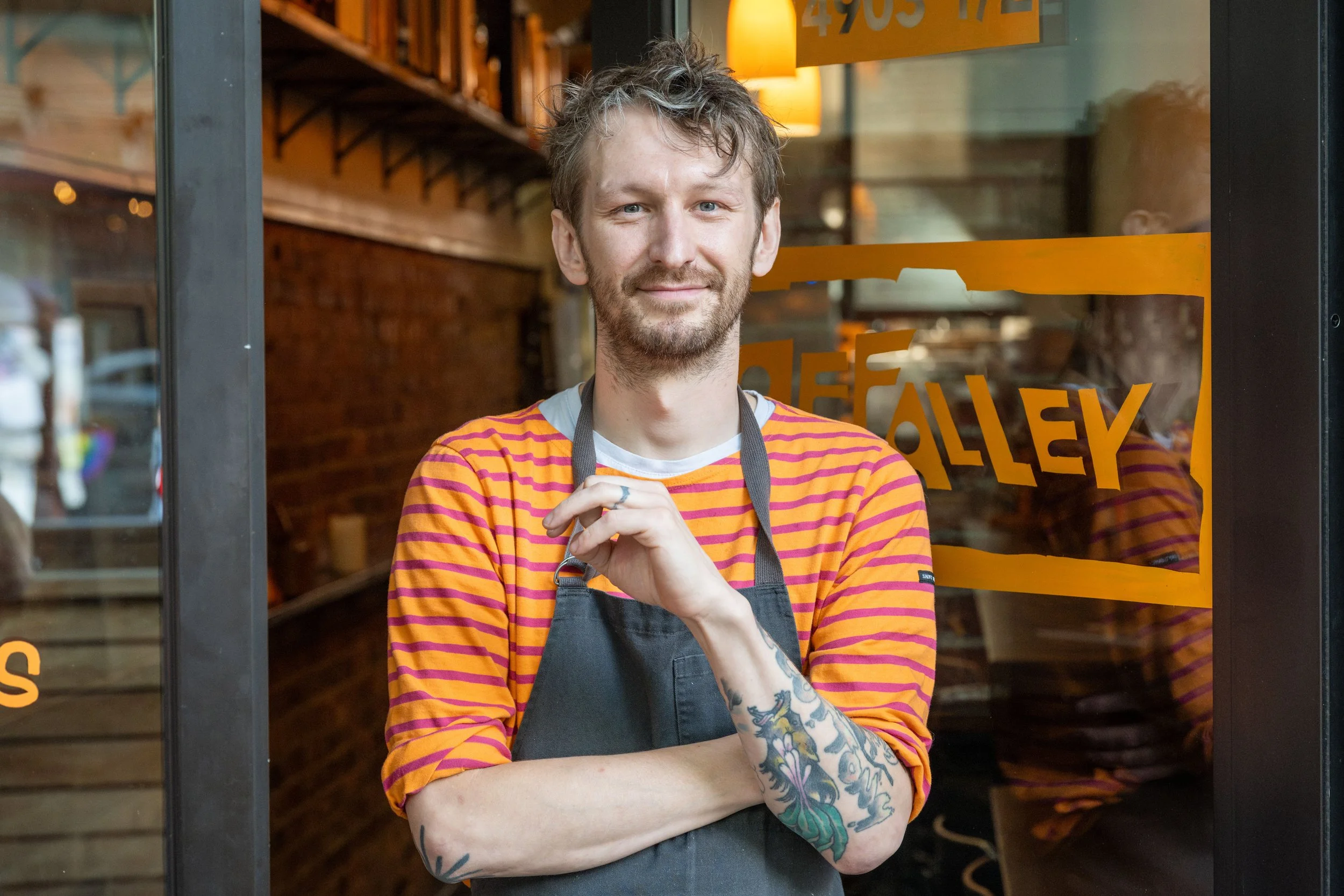
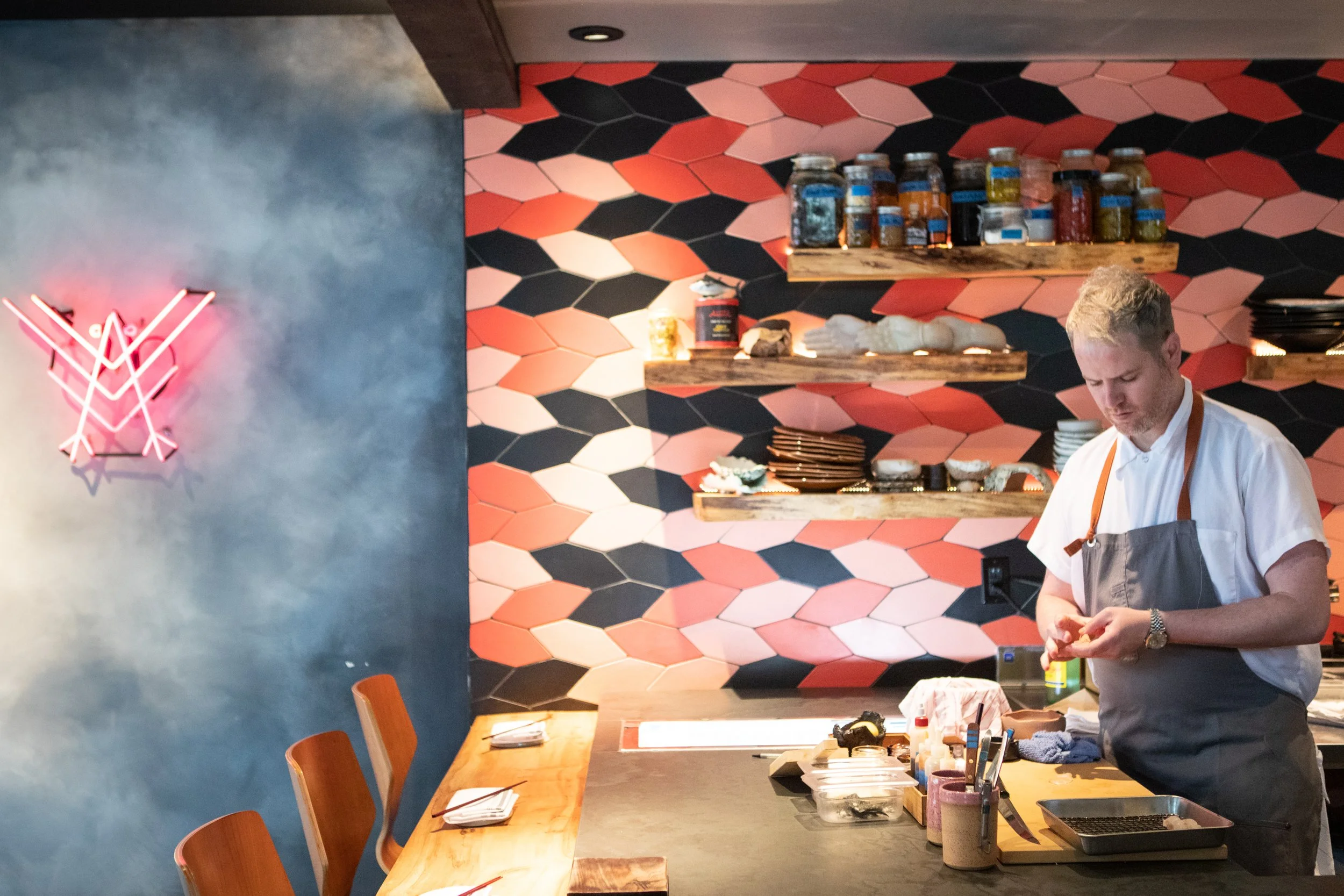
Chef Evan LeichtlinG | Photo: Will Blunt
In Seattle’s restaurant world, there’s an Instagram-based group chat that works faster than most city agencies. It’s called Group Therapy—a name that started as a joke, but stuck because it hit the nail on the head. When Trinh Nguyen opened Ramie, she was juggling a brunch launch, laminated pastries, and sleep measured in minutes. What she didn’t have was a reliable way to ask the thousand tiny questions that come with running a restaurant. “Is everybody busy?” she says. “Is it just me? How is everyone dealing with the new minimum wage?”
The answer came through a friend in the industry who sent her an invite link. What she found was better than a gripe-session: It was a lifeline. When her refrigeration system collapsed during a summer heat wave, Nguyen posted a desperate call for help. Within minutes, her phone lit up with contacts for repair technicians. One even offered to drive across town if she couldn’t find anyone else. “That’s the kind of support you get,” she says.
For its inaugural members, Group Therapy began in person. “It sort of started off as a series of parties back in the day,” says Twilight Rainier owner Elias Savage. “When Evan [Leichtling] got back to Seattle, he [kicked off what was] basically a private industry night where we were all blowing off steam, shooting the shit, networking.” Those nights blurred the line between venting and community building—late hours, cheap beer, everyone swapping war stories. Over time, the meetups moved online and the chat became “our own little local trade organization,” Savage says. “If somebody’s got a question, or is getting rid of some equipment, or needs a recommendation for outside service, you’re sort of outsourcing that portion of your business brain to the larger community.”
Off Alley’s Evan Leichtling had been the spark. He felt like there was a communication breakdown amongst industry colleagues. “Problem: No one talked. Solution: Get people talking.” When he returned from several years cooking in Europe, he found that Seattle’s tight restaurant circles had fractured. The big groups—Sea Creatures, Ethan Stowell, Huxley Wallace Collective—operated in their own bubbles. Independent operators, especially post-pandemic, were adrift. His fix was simple: Gather people and feed them.
Leichtling says he created Group Therapy focused around two principles. The first: to provide a space for people to blow off steam after the rigors of living through the pandemic. The second: to get people to gather, connect, and reacquaint themselves with their communities and neighbors after a global shutdown. “The idea was, if you’re gonna talk about work, at least have a drink while you do it.” The parties evolved into a message thread that now links over 200 individual businesses, from coffee carts to multi-concept groups.
Nguyen calls it “a place where you just get everyday resources.” The chat runs on unspoken trust and discretion. Owners warn each other about vendors who ghost, share repair contacts, or swap staffing leads. During last year’s citywide fryer-oil pickup crisis, a single post set off a chain reaction of recommendations that unclogged half the city’s kitchens.
For Savage, the benefits are concrete. “I’ve gotten recommendations for outside services,” he says. “I recently picked up an awesome piece of equipment from the Hitchcock Restaurant Group because they weren’t using it anymore and just needed it out of their warehouse.” He calls it “camaraderie with people doing the same thing you are—just in a different house.”
Group Therapy’s success lies in how little it tries to be. “There is no head to it,” Leichtling says. “Anyone can invite anyone.” No moderators, no dues, and somehow, no chaos. The occasional toxic voice, he adds, “tends to drift away on its own.”
That informality proved invaluable during a brutal first quarter. “January, February, March of this year was probably the hardest run for all the restaurants,” Nguyen says. As operators scrambled to survive new wage hikes and slowed traffic, the group turned from troubleshooting to mutual aid. Marketing and PR pros joined the thread to offer free workshops. “They started talking about what’s effective, what works,” Nguyen says.
Some members wanted to take it further. Leichtling helped found the Independent Seattle Hospitality Alliance, or ISHA, meant to pool resources for small business owners with two or fewer concepts, without HR departments or legal teams. They hosted events and cross-promotions before energy waned. “It’s been in stasis for six months,” he says, “but the original thread is still alive and well.”
Nguyen hopes Group Therapy stays tight-knit and heterarchical. She likes that it’s run by industry folks, for industry folks. “Selfishly, I would like for it to stay that way.”
“Don’t fucking gatekeep,” Leichtling says in agreement. “It’s not a nonprofit. It doesn’t need a director.” His advice for anyone trying to build their own version elsewhere: Make it fun first. “You attract more bees with honey,” he says. “Throw a party. Feed people. That’s how you get them talking.”
The parties may return. Savage hopes so. “It’d be nice to kind of move it back towards the recreational roots,” he says. “Lord knows we all need it.” For now, he’s content with the digital version. “We’ll get around to it when it’s natural and it flows.”
Nguyen keeps the group in her back pocket until crisis strikes. “It’s like the Bible we run to if something goes wrong,” she says. Posts fly back and forth about fryers, grease traps, and staffing headaches. Even if the same question’s been asked a dozen times, someone always answers. “You don’t have to explain how crazy restaurant life is,” she says. “They just get it.”
In a city where the margins are thin and the pressure constant, that might be the best therapy anyone could ask for.