D.C. chefs and restaurateurs on how creativity, flexibility, and caring for staff breeds trust and resilience, even in the toughest of times
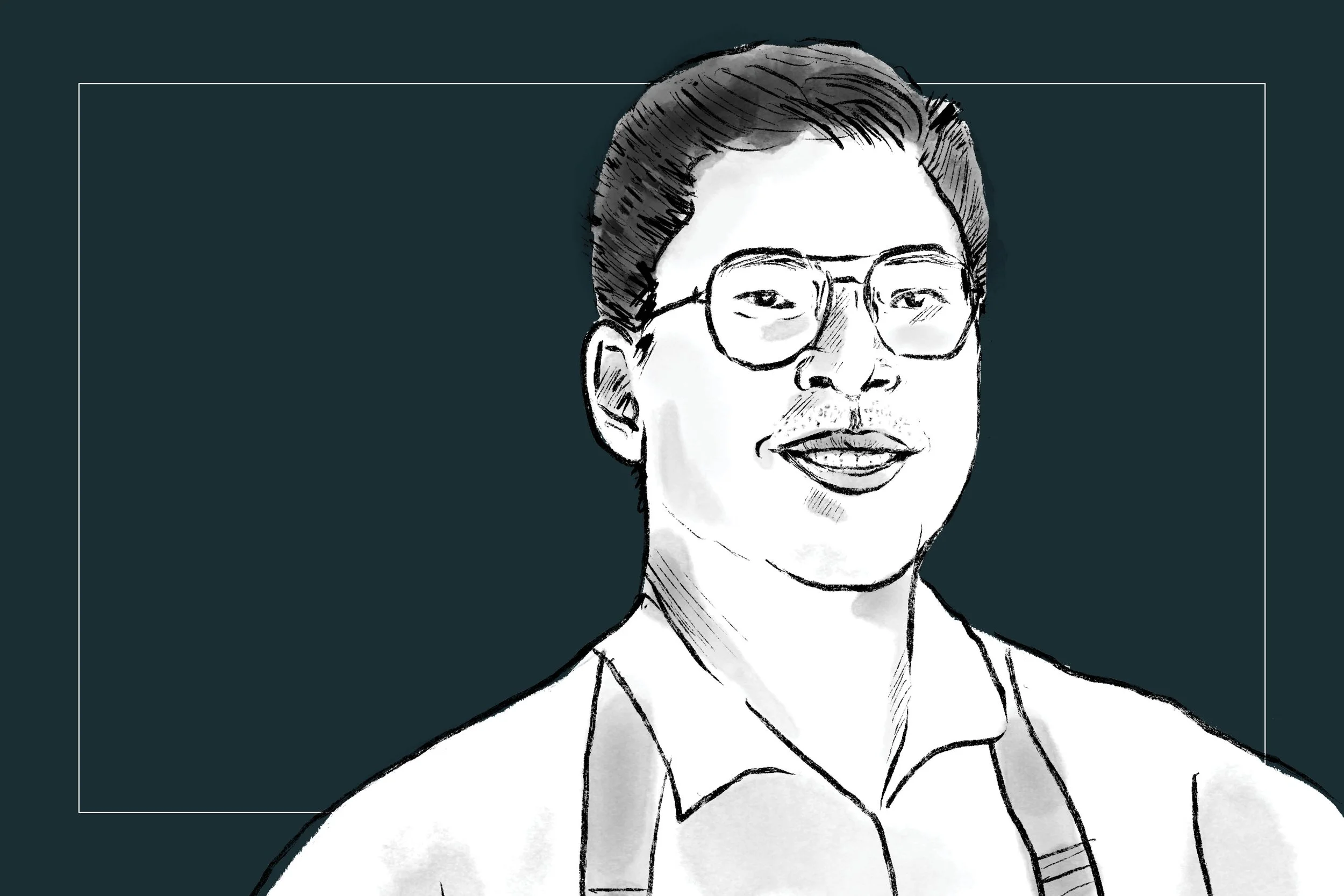
Illustration: Rachel Krohn
Operating a restaurant, or a hospitality business of any kind, is never easy. In Washington, D.C., the challenges can be accelerated thanks to a sometimes frustrating, sometimes wonderful, mix of tourists, locals, politicians, diplomats, and more. On top of this, these restaurants have also been dealing with the effects of a government shutdown, increased immigration enforcement, and a rapidly changing local workforce, creating economic and social challenges that can’t be solved with a two-for-one special. To work past these obstacles, D.C.’s hospitality community has taken a levelheaded approach, emphasizing the importance of comfort, reliability, and creativity, as well as the safety of their staff.
“Disruptions are part of doing business in Washington, D.C. You learn quickly that flexibility is not optional,” says Chef Walter Alvarado of Salamander DC. “Government shutdowns, security closures, protests, and policy shifts all affect traffic, reservations, and staffing.”
While current pressures can feel unusually heavy, frustrating circumstances have always created chaos. “All these disruptions imposed by the Trump Administration can feel really overwhelming, especially in Washington, D.C., where these decisions are made,” says Chef Erik Bruner-Yang of Maketto. “What COVID did teach me is that you have to be flexible, you have to be patient, and you have to work, moving forward, always with a sense of calm.”
People like Alvarado and Bruner-Yang both recognize the longevity of these kinds of conditions in the D.C. area. It isn’t new, it’s just different. It forces restaurants to think flexibly and pivot when needed.
“Our region may have unique hurdles, but our industry as a whole is facing significant headwinds currently,” says Chef Matthew Adler of Cucina Morini and Caruso’s Grocery. “We find it’s best to meet each challenge one at a time with a cool head, thoughtfulness, and intentionality.”
Adler’s measured approach speaks to a larger sentiment held by much of the city’s hospitality community. There isn’t a rush to judgment or overreaction. The priority, in these situations, is to reassure guests and protect the wellbeing and livelihoods of staff.
At Sofitel DC, Chef Kevin Lalli offers “15% off your total check with [a] valid government ID, to help those who are furloughed” during government shutdowns. It’s a small gesture, but influenced by the fact that the hotel is located near the White House and “a lot of the government buildings in D.C.,” he says. “It makes it very tough for us to hit forecasts, which impacts staff as well.”
Chef Paul Taylor is also focused on the people that matter most. At his restaurant and bar, Your Only Friend, his “first priority: protect our staff and serve our community—always, in that order,” he says. “When things get turbulent, we tighten the circle and take care of ours.”
That kind of cautious and deliberate approach carries over to larger venues, like the Salamander, as well. “Financially, yes, these disruptions can be challenging, especially when corporate and government travel slows down,” says Alvarado. “We focus on supporting our employees first, because they’re the foundation of everything.”
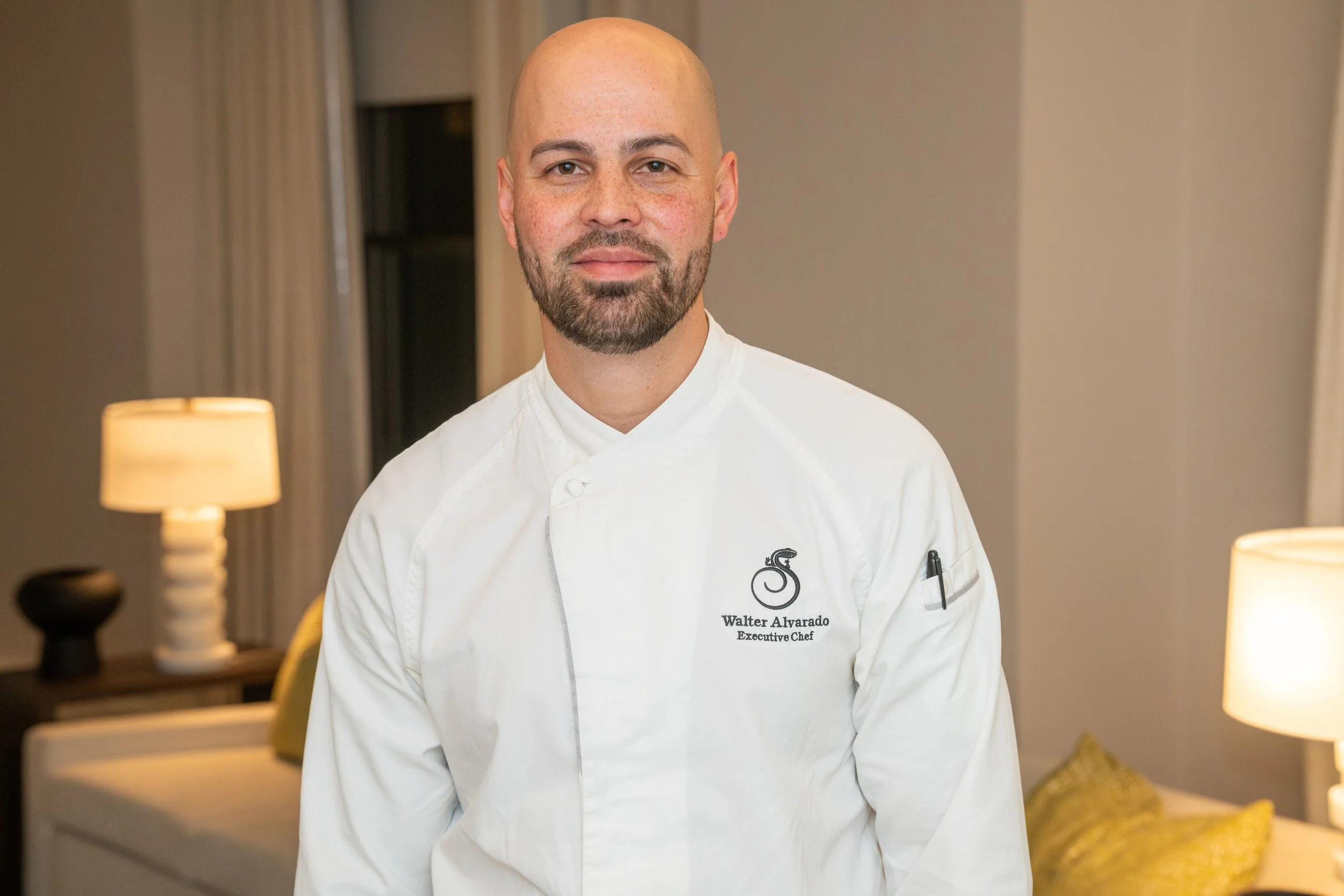
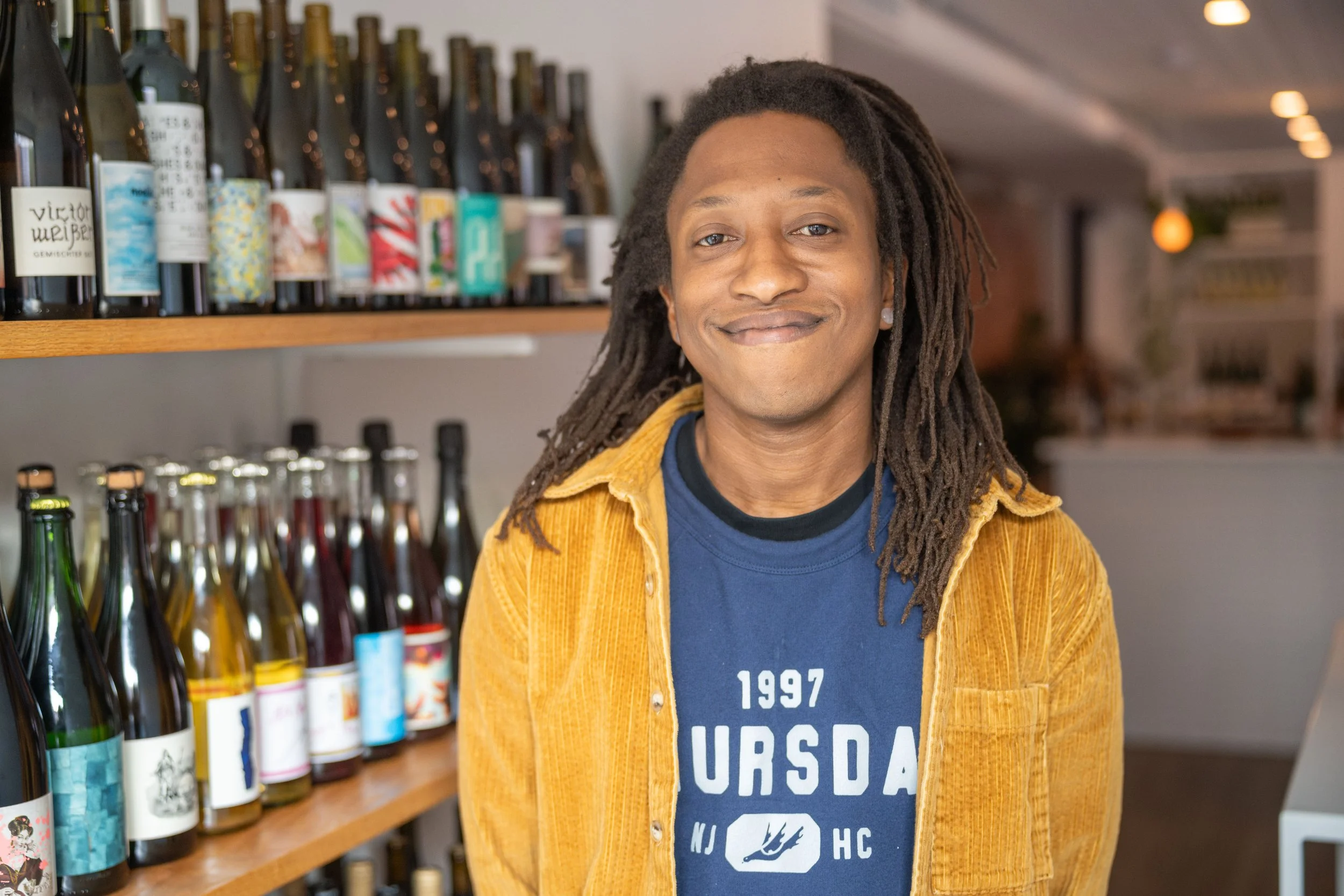
Chef Walter Alvarado of Salamander DC | Photos: Alexander Zeren
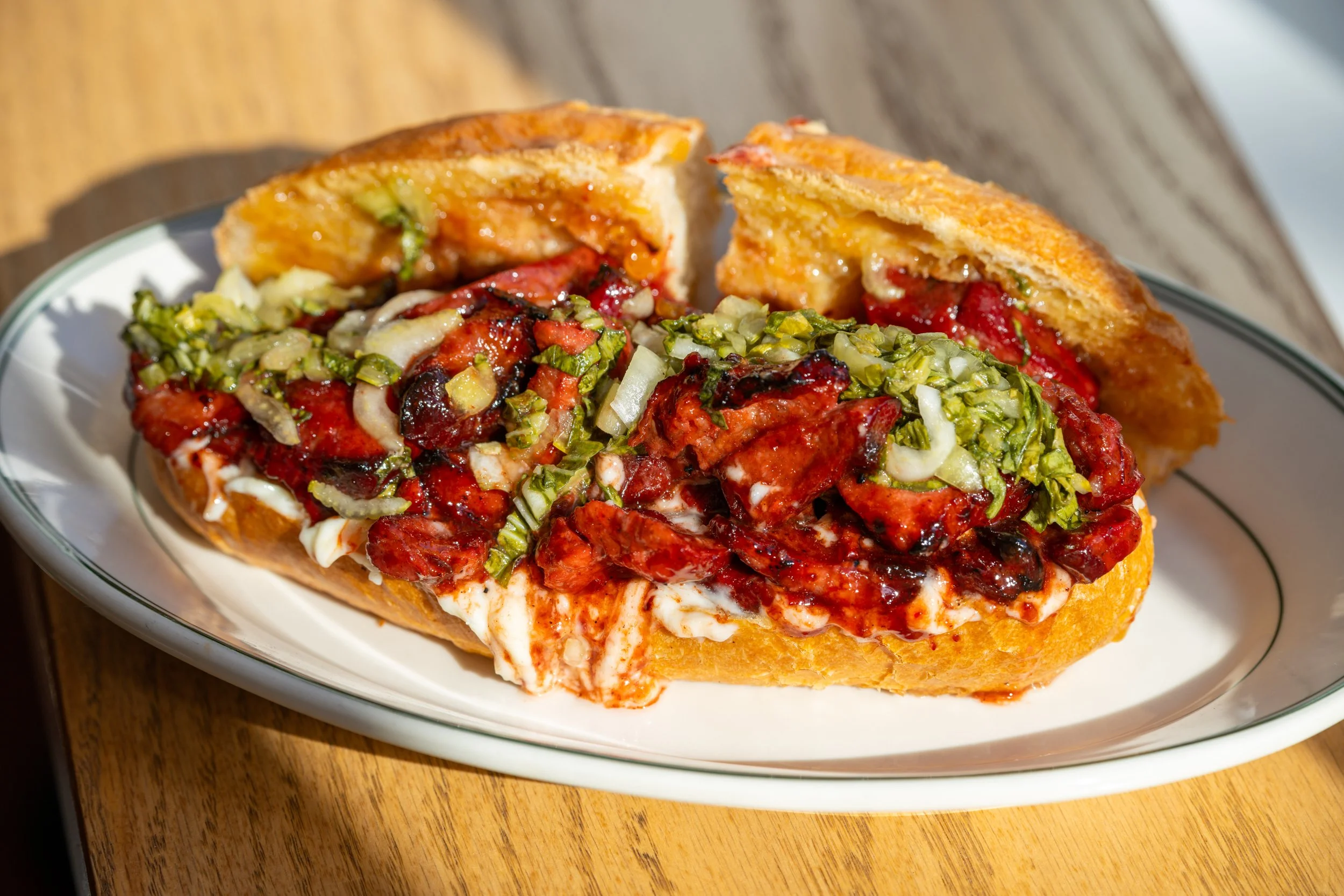
RPG: Char Siu Roast Pork, Pickled Bok Choy, Spicy Duck Sauce, Garlic Mayonnaise, Soft Roll at Your Friend Only
While adjusting hours, staffing, and ingredients can help in the short-term, long-term preparation requires a different kind of thinking. Keeping butts in seats and creating lasting relationships with guests is tough when citywide interruptions quiet streets and tighten wallets. But for chefs like Taylor, a clear mission keeps him and his team focused.
“Shutdowns, protests, deployments, policy waves—the city can feel like it’s holding its breath some months,” he says. “We’ve had stretches where the vibes were just off and business reflected it. But our response is to keep building, keep cooking, keep inventing. Reinvention is a survival skill in this industry.”
For Chef Jeffrey Williams, who runs the kitchen at Willowsong at InterContinental Washington, D.C. at The Wharf, part of the solution is paying attention to trends and anticipating shifts in guests’ habits. With international travel to the United States and D.C. shrinking, Williams and his team have “definitely noticed the decrease,” he says. “I thought this year was going to be a tough one on people's wallets, so [we] look for ways to stay affordable.”
Chef Anthony Jones at Marcus DC recognizes that “changes in administration usually translate to different requests and spending habits.” Adaptability and open-mindedness, at times, gives restaurants a leg up and the freedom to reconfigure their operations. For Williams and Jones, reacting to changes in the city is also about having a sensitivity to the tastes and preferences of guests.
These pressures, both new and familiar, give way to a hospitality community that knows how to prepare for hard times. Many of these chefs and restaurateurs have found a way to leverage the transient, and sometimes temperamental, nature of the nation’s capital to their advantage.
“In D.C., the guest base is constantly evolving, so you can’t rely on reputation alone—you have to earn it every day,” says Alvarado. “For me, it starts with consistency in quality and service. No matter who is walking through the door, they should immediately feel welcomed, respected, and taken care of.”
Similarly, Bruner-Yang is clear-eyed about the fact that “a restaurant evolves and changes over time…Things change as you interact with your customer base, which includes aging with your regulars and then meeting your new ones.”
Restaurants and hotels in the city are in a position to offer something both familiar and new to guests. The eclectic makeup of the city, and the communities it is both home to and host to, creates an environment where hospitality is the common denominator. Guests flock to D.C.'s dining rooms in search of connection and comfort while also utilizing them for a whole host of events, meetings, and conventions. Hotels, in particular, are able to capture attention and catalyze interest in the larger community.
“Hotels are a huge part of D.C.'s hospitality ecosystem,” says Taylor. These days, there are “bold bar programs, chef-driven concepts, and global talent concentrated in these spaces. Historic hotels that give you a literal taste of the capital’s past.” Taylor also points to the legacy of Marriott, which started in the D.C. area, as a part of the lineage of hospitality and service in the city.
Williams and Alvarado, who oversee programs at InterContinental Washington, D.C. and Salamander DC respectively, view their work as essential to the dining scene in the city.
“Hotel restaurants play a unique role,” says Alvarado. “They serve locals, travelers, and international guests all at once. They host high-level meetings, celebrations, diplomatic events, and everyday dining.”
Williams, who spent his early career at The Willard InterContinental, views the status of hotels and hotel restaurants differently than in other U.S. cities. “I think outside of anywhere I've lived, D.C.'s restaurant scene goes hand and hand with hotels,” he says. “Maybe because our hotels have become staple landmarks.”
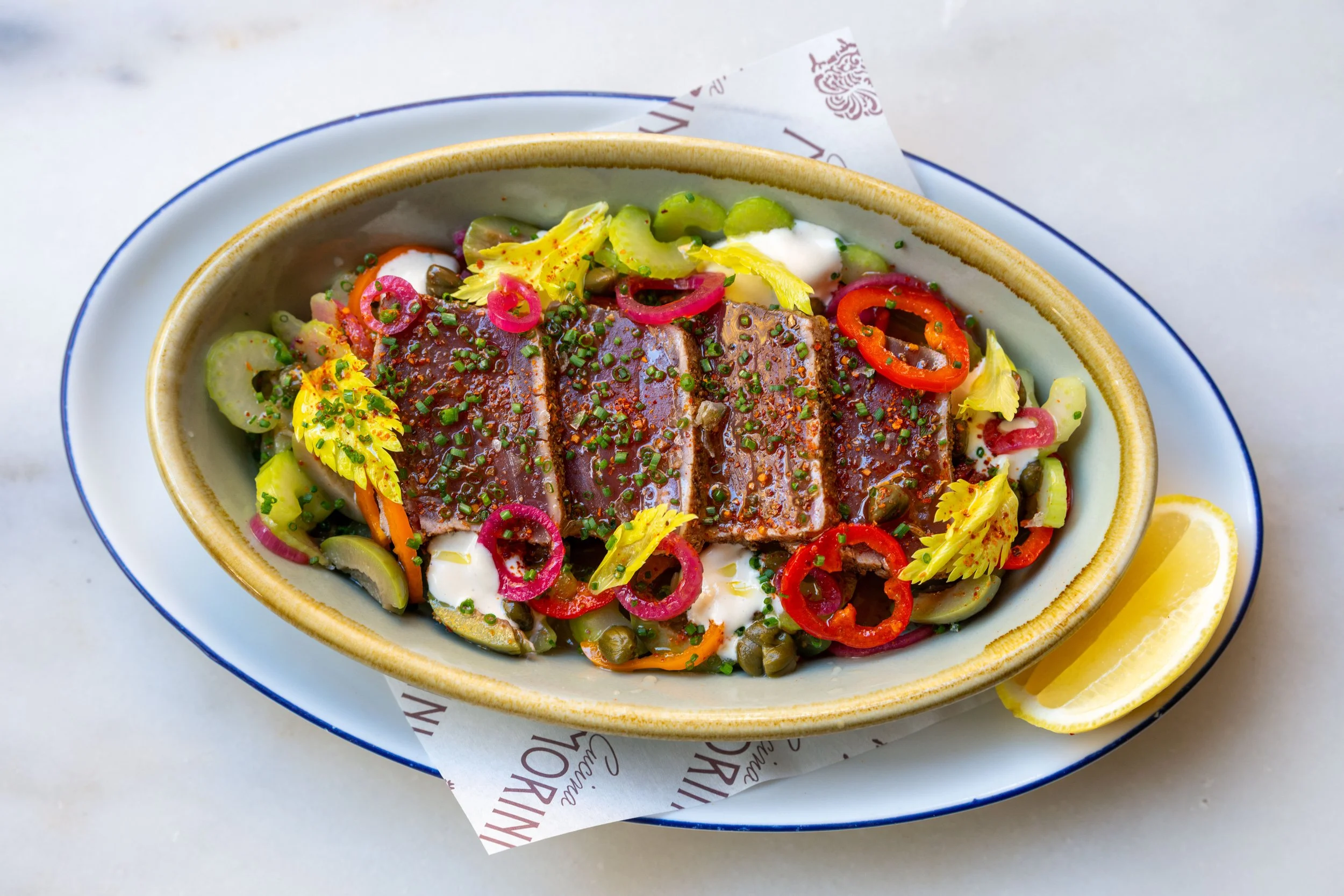
Tonno: Fennel-Crusted Yellowfin Tuna, Tonnato Sauce, Celery, Pickled Onions, Pickled Peppers, Castelvetrano Olives, Capers, Celery Leaf, Chives at Cucina Morini
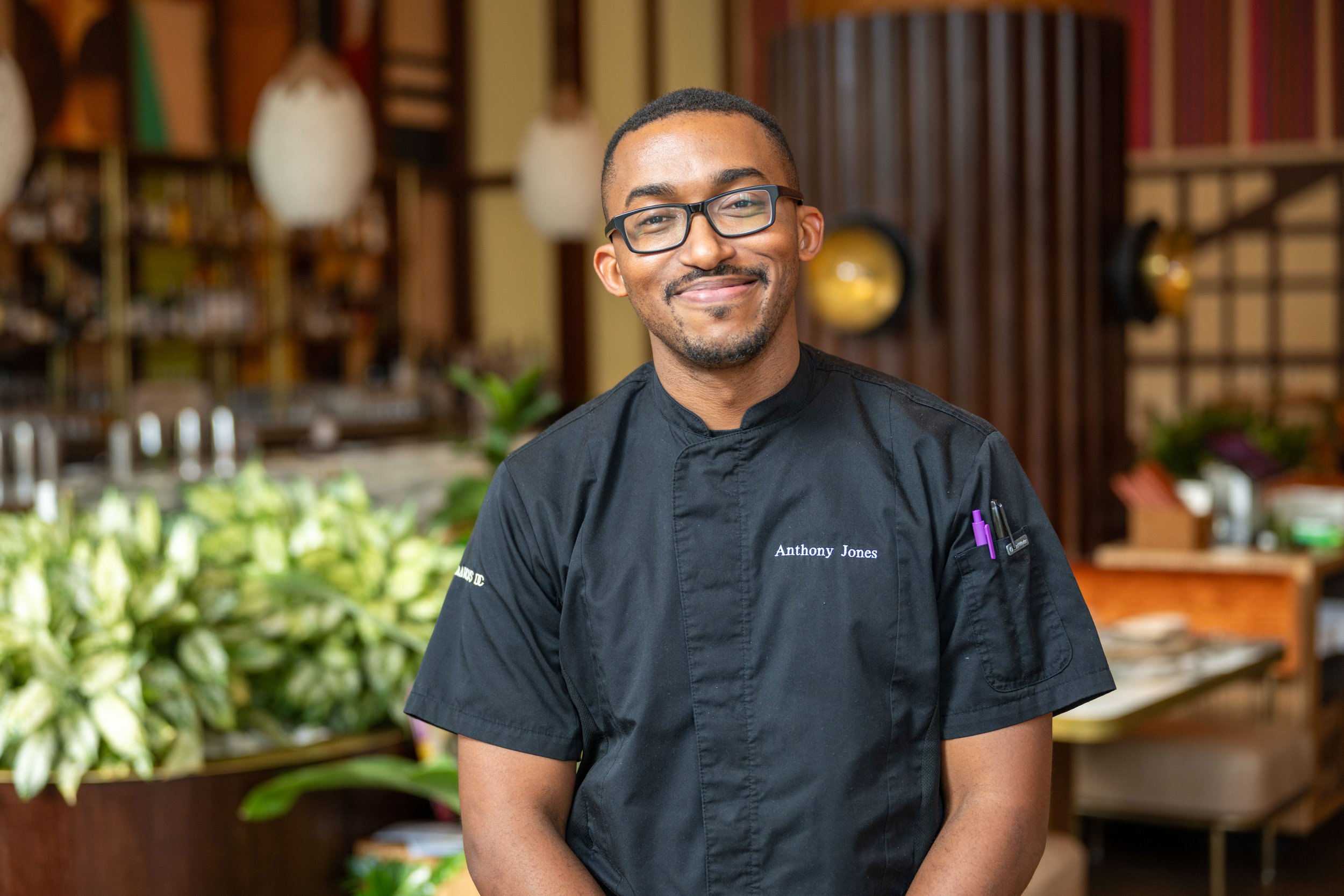
Chef Anthony Jones of Marcus DC
Perhaps, it is because these spaces—along with restaurants throughout the city—offer an escape from the noise, rhetoric, and tension. “In D.C., you’ll naturally have people from different backgrounds, ideologies, and professions sitting next to each other every night,” says Alvarado. “Our role is to provide a safe, elegant, and neutral space where those interactions can happen naturally.”
There is a hope that restaurants can potentially neutralize some hostility through hospitality. Of course, not all restaurateurs and operators feel the same, but many see an obligation, both personally and financially, to serve anyone willing to sit down at the table.
“Everyone is entitled to a solid meal,” says Williams. “But with that comes the respect of the space and everyone else there.”
For chefs like Bruner-Yang, it is important that his restaurants are “remembered for always being a place for the city and for the people. That means standing up against injustice and feeding our communities when in need.”
Taylor, for example, turns the creativity up a notch, leaning on weekly specials and events, the kind of “fun programming” that keeps people engaged and coming through the door. “Administrations change, offices turn over, nameplates get swapped, but people are still people. And people connect over good food, good drinks, and being treated like they belong. That never changes,” he says.
Although it isn’t an explicit act of defiance, many chefs and restaurateurs in D.C. are disarming guests, from all backgrounds, with their generous service and thoughtful food and drink. An upside to their persistent focus, in spite of political and economic challenges, is the continued growth of the local hospitality community.
“Food has become more of a focal point, and more cultures are now receiving representation that they weren't initially,” says Jones. “I believe chefs are taking more chances with their food now and that flavors are bolder than in the past.”
While the city has long been home to a plethora of cuisines, from famed Ethiopian fare to bustling Vietnamese spots in Northern Virginia to restaurants showcasing the flavors of the Middle East, El Salvador, and Korea, chefs seem more empowered than ever to present themselves and their imagination to diners. What’s changed is “visibility and creative permission,” says Taylor.
Governmental bodies, think tanks, international organizations, lobbyists, embassies, universities, and more all play a role in shaping the identity of D.C., but as influential as they can be, they are also ever-changing. The city’s restaurants, bars, and hotels are familiar with unpredictability, sudden change, and shifting populations. But they are also one of the few constants that locals and visitors alike can rely on and turn to. Although new challenges constantly arise, the hospitality community in D.C. is unflinching, hopeful, and always ready to pivot when needed.