Menus of the Mediterranean
A peek behind the curtain of March’s R&D methodology
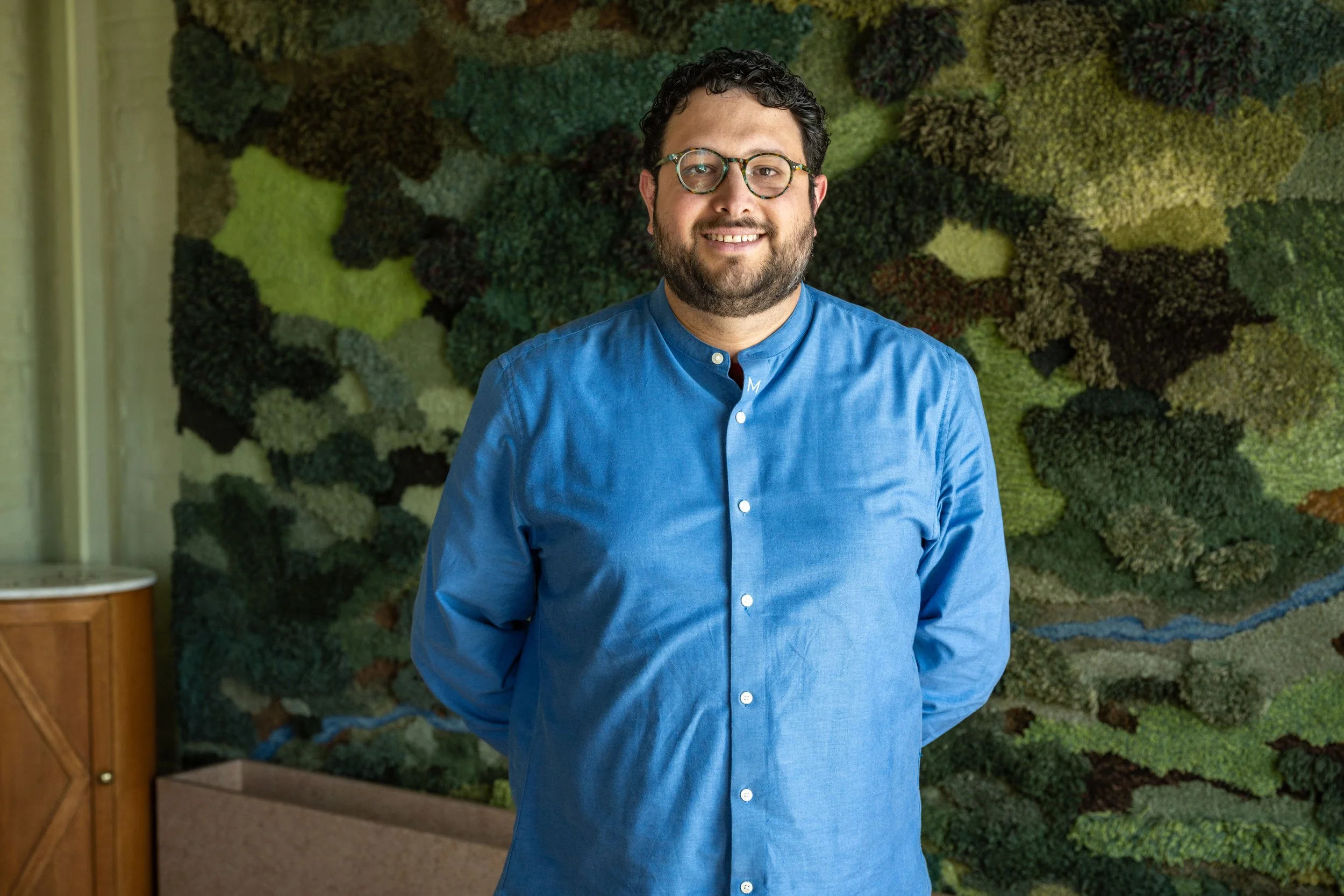
Chef Filipe Riccio | Photo: Will Blunt
Imagine relaunching a restaurant twice each year—same 28 seats, but a brand-new thematic thread. That’s Chef-Partner Felipe Riccio’s remit at March, Houston’s Michelin-starred culinary atlas of the Mediterranean. For every menu, his R&D brigade draws on the house library of regional cookbooks; cross-checks grandmother lore against today’s modern kitchens; and charts a region’s history, ingredients, and signature dishes before the next tasting menu goes to the pass.
Each chapter begins with a dossier. Riccio compiles a detailed guide to the region—history, culinary ethos, canonical dishes, and key ingredients—anchored by Clifford Wright’s A Mediterranean Feast (“our bible,” he says). He distributes the packet to the team—Chef de Cuisine Chris Davies, Sous Chef Omar Arellano, former Executive Pastry Chef Micaela Victoria, and Pastry Sous Chef Jonathan Garza—and for the next six to eight weeks they meet weekly to talk, trade sources, and research. No cooking yet. “Everyone has to be a team player and believe in the process for it to work,” Riccio says.
From concept to plate, dishes surface in a few ways: an iconic preparation that demands a place, a micro-regional ingredient someone is passionate about, or a texture or flavor the kitchen wants to explore. When the research coheres, the menu architecture takes shape— each course assigned a role in the larger narrative. Then come weekly tastings. Front of house, beverage, and pastry weigh in; components get trimmed, rebalanced, or rebuilt until the season reads cleanly from first bite to last sweet.
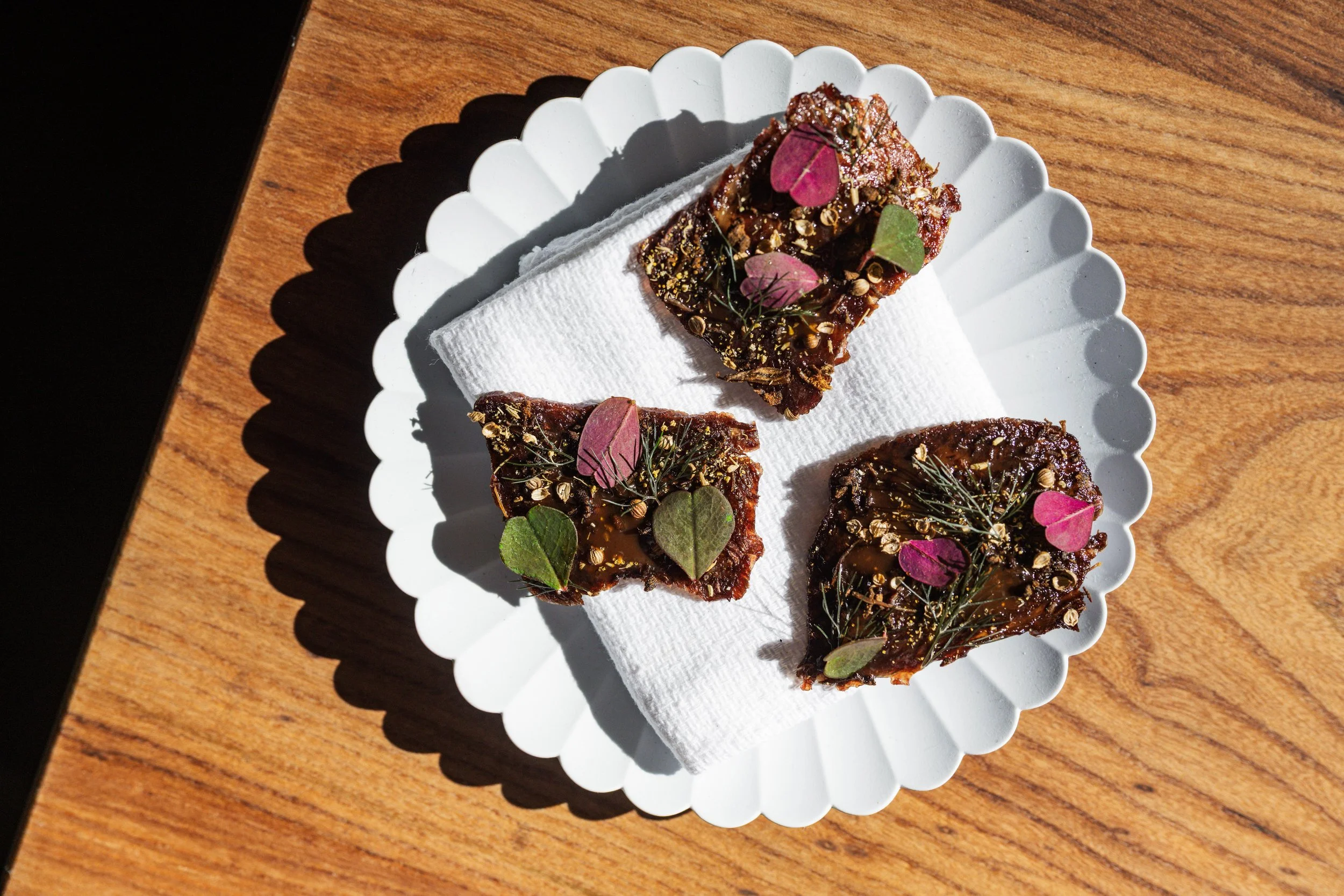
In the ninth season, the Republic of Venice menu, the snack tile channels cicchetti culture into four crisp bites— frico, polpette, fegato alla veneziana (liver and onions), and sarde in saor—recognizable flavors reframed as a single bar-lounge flight. “The snack tile serves as both palate primer and conceptual overture,” explains Riccio. “Each component draws from home cooking traditions and regional staples, refined through a Mediterranean lens. Frico represents the inland edge of Venetian territory; cicchetti reflect Venice’s bar culture.”
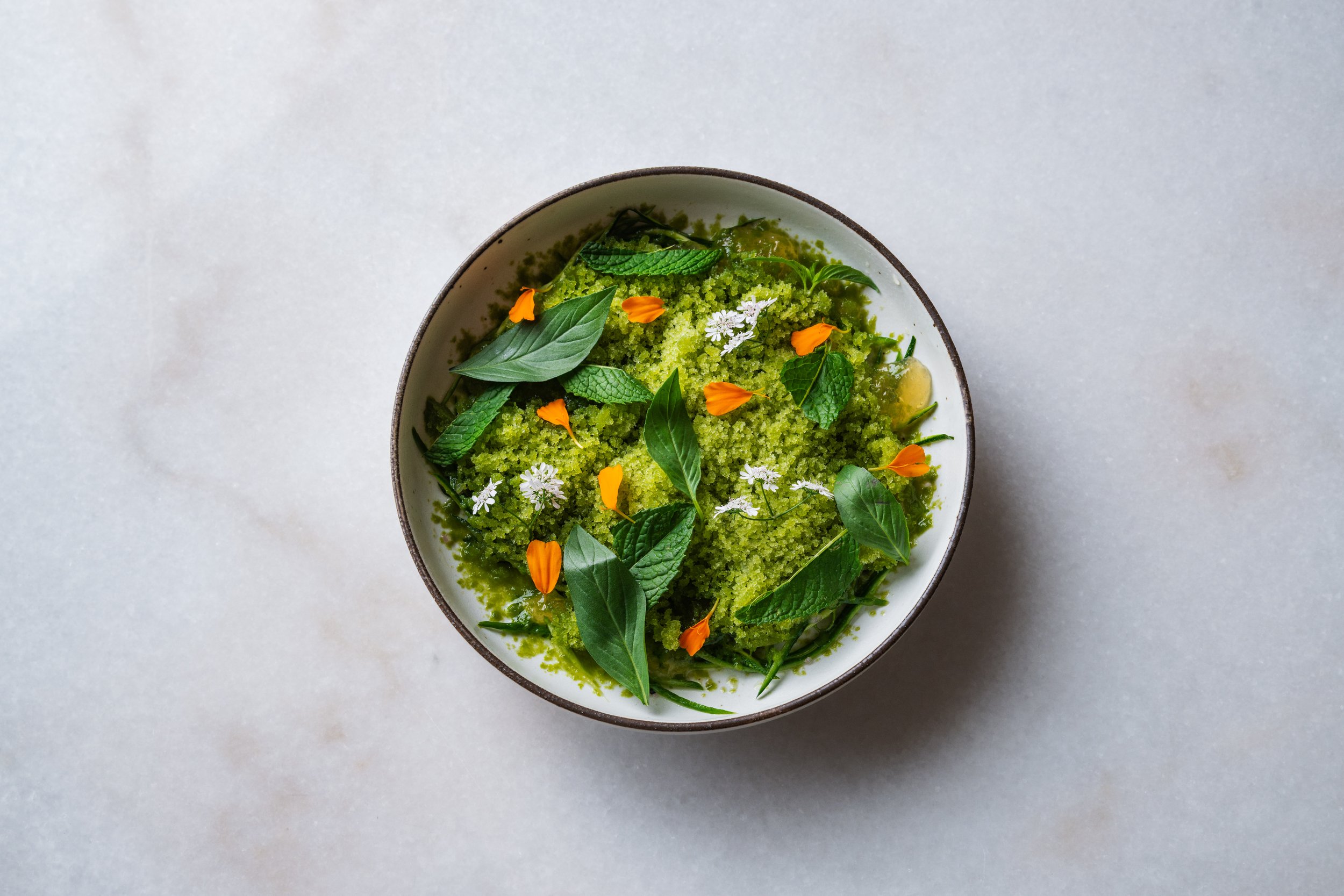
Risi e bisi becomes a meditation on its two nouns. “At its core, it’s the simplest dish on the menu,” Davies says. “We figured if we focused on the core flavors of rice and peas in different variations, we could make it outstanding.” The final composition layers rice cooked in toasted rice-green tea stock with snow pea leaf purée; a crumble of dehydrated green peas; more toasted brown rice with hibiscus and granulated honey; and pickled red prawns. Peas on peas, rice on rice.
For dessert, Victoria riffed on Italy’s other national pastime: the Aperol spritz. Research into Aperol’s bitter orange-rhubarb lineage led to an Aperol jelly base, grapefruit meringue, rhubarb–grapefruit gel, and a cinchona-bitter orange sorbet—an aperitif recast as a pre-dessert. “The overall goal was to evoke the feeling of drinking an Aperol spritz through flavor and lightness,” says Victoria.
Will March ever run out of the Mediterranean to explore? Riccio laughs. “There are 20 modern-day regions in Italy alone. I don’t know what the next five or 10 seasons will be, but we have ideas, and every season informs the next.” First came the Maghreb; for season ten, March returns to the neighborhood with the Levant—tradition revisited, again and anew.