Sommelier Parker Story’s journey from winemaking intern to newly minted viticulturist.
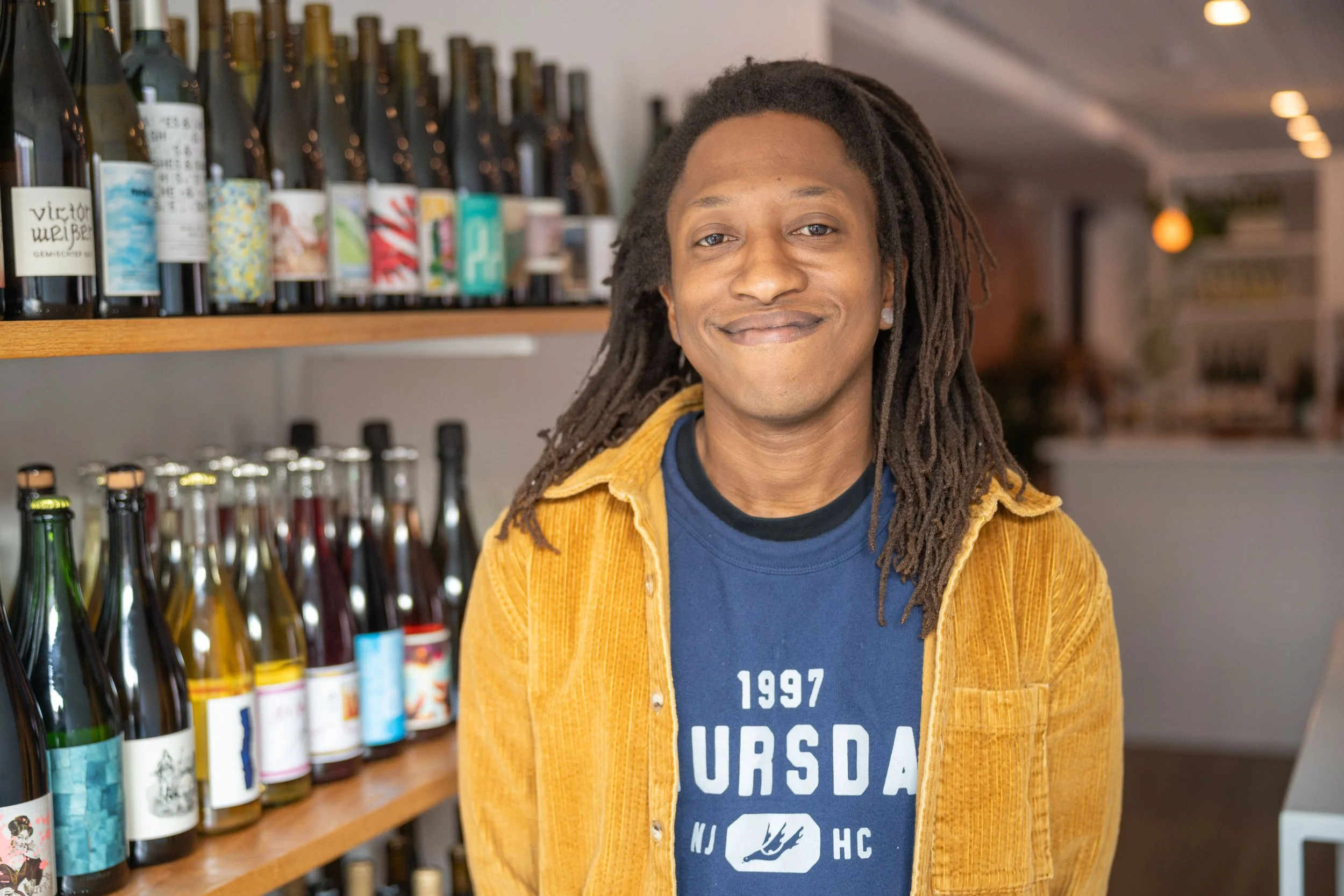
When Sommelier Parker Story applied to be an apprentice with The 280 Project, he didn’t expect to be managing a vineyard and gearing up to bottle his own wine just three years later. The organization, founded by Christopher Renfro in partnership with Beth Forrestel and Napa Valley-based Steve Matthiasson of Matthiasson Wines along with the University of California, Davis, is an immersive viticulture fellowship program with the goal of increasing “equity and diversity within the wine industry.”
“I met [Chris] kind of randomly,” Story recalls. “He had posted something on Instagram about a book that I really liked, and I was like, ‘Oh, hey, we should hang out and talk about books.’”
The two met at a wine bar and hit it off right away. A couple of years later, he asked Story if I’d be interested in taking a farming internship that he had put together. Story applied, interviewed, and wound up as part of The 280 Project’s third cohort.
Renfro says the program encourages people historically excluded from the wine industry to apply. “Our program is open to all, but we encourage historically marginalized black, brown, LGBTQ, disabled people and women—people who weren’t necessarily always welcome in the wine community—to join our immersive program to learn skills and hands-on training in the vineyards,” he explains.
Story always enjoyed studying and tasting wine, but yearned to learn more about the agricultural side. “I don’t know how many times I’ve been told how ‘articulate’ I am in my work as a sommelier,” he says. “As a Black person and someone who’s been in the industry for a long time I’ve never been afraid of kicking down doors and deflecting a lot of those rhetorical and social maneuvers that box people out of those environments.”
Through the paid fellowship program, Story traveled throughout Northern California to study viticulture, indigenous grape production, and winemaking. At UC Davis, fellows learned to crush grapes, perform punch-downs, rack wines, and transfer grapes from bins into tanks. Matthiasson served as an important mentor. That mentorship allowed Story to seize an opportunity to run a vineyard of his own.
While working the dining room and wine cellar at Burdell in Oakland, an opportunity arose when a friend from the restaurant bought a Sebastopol property with about 350 vines. In exchange for caring for the land, Story now manages the harvest and is cultivating his own wine.
The vineyard features mostly Zinfandel with some Carignan. Story plans to work with native yeast to produce a natural, “not natty,” wine expressive of its terroir. “I want it to smell alive—I don’t want the entire essence or aroma of the fermentation to go away, but I don’t want a jelly doughnut flavor, either.”
The benefits of participating in The 280 Project still pay off and have created opportunities for others as well—fellows from the current cohort get paid through the program to help Story tend the vines and learn in the fields. While Story is just getting started and figuring his way through his first harvest, it’s been a rewarding process. “It is amazing and I’m so grateful,” Story says.