Baker Mayra Sibrian’s pop-up at City Hall brings Central American-meets-PNW pastries to downtown Seattle.
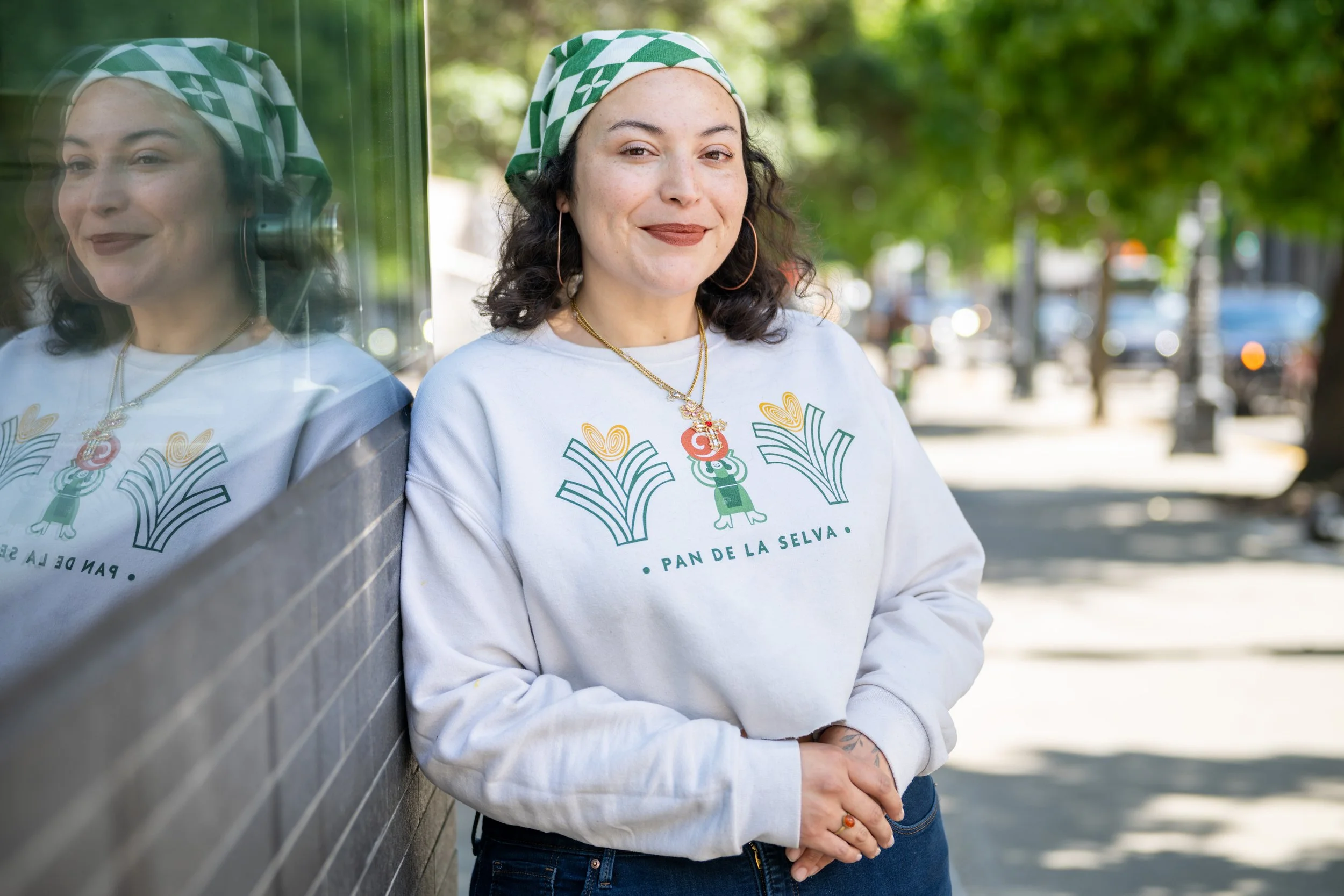
Baker Mayra Sibrian |. Photos: Alexander Zeren
Four years into her Pacific Northwest-inflected pan dulce business, Baker Mayra Sibrian started to get defensive toward people asking when she would settle into a permanent location.
Her bakery, Pan de La Selva, supplied passionfruit-blackberry conchas wholesale to multiple coffee shops and sold caramel-filled Honduran coconut bread at five farmers markets each week.
“Am I only going to be taken seriously if I have a storefront?” she wonders. “If I’m in thousands of dollars of debt and super stressed out all the time?”
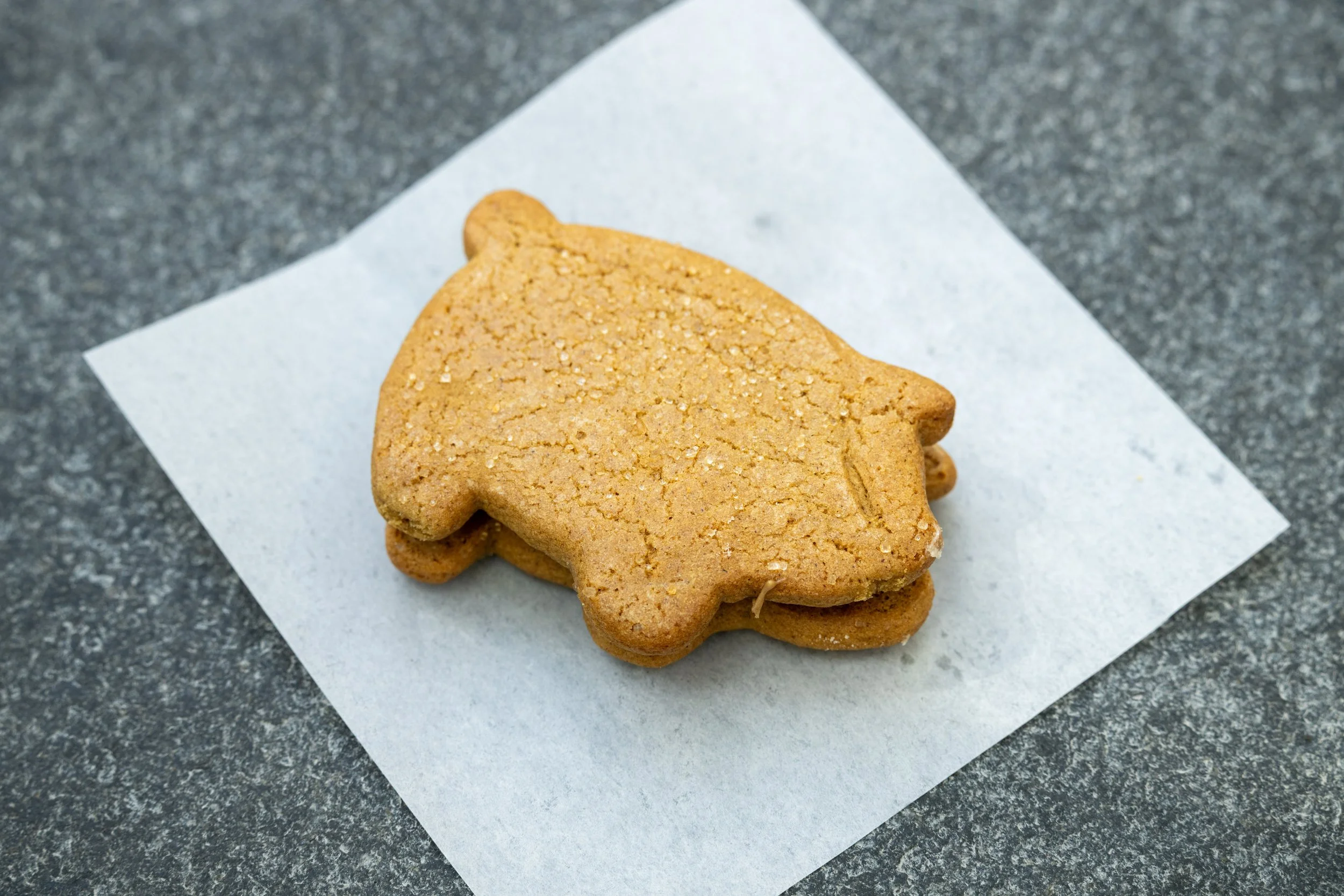
A year later, fueled by creativity, a willingness to agree to things that scared her, and a program called Seattle Restored, Sibrian now sells her mamey canela rolls and sunflower butter-filled pig-shaped sandwich cookies from a downtown storefront—without the mountain of debt she originally feared.
After finishing culinary school in her hometown of San Diego, Sibrian floated away from cooking and made her way to Seattle. While working at Cubes Baking Company (now Tres Lechería), she joined her boss, Baker Kevin Moulder, on TV competitions. “It was totally out of my comfort zone,” she recalls. “That experience definitely taught me, whenever I feel uncomfortable, to go for it.” Cubes made baked goods in square or cube shapes and, ironically, inspired Sibrian to think outside the box. “He was one of the first people that I saw that was like, ‘Fuck that. I’m doing it my own way because this is what works, and this is what I like.”
When the pandemic hit, she channeled that energy, connecting with her Central American heritage through baking by infusing pastries like Salvadoran quesadillas and Guatemalan gusanos with elements from the Pacific Northwest. “The use of local ingredients is how I stay connected to the roots and the ancestral way of using what the land has to offer, using what this selva has to offer,” she explains. She took inspiration from Baker Mariela Camacho, who started Comadre Panadería in Seattle before moving to Texas in 2019, and Chef Janet Becerra, who uses a similar philosophy at her restaurant, Pancita.
Selling at farmers markets allowed her to grow slowly, test products, and build community. She did pop-ups with Becerra and Chef José Garzón of Bad Chancla, sold pastries at Latine cultural events and markets, and worked with other bakers on fundraisers in support of mutual aid organizations, abortion rights, and Palestine.
In 2025, Sibrian applied to Seattle Restored, hoping for a waterfront stall similar to her market operation. The mostly city-funded program, which financially and logistically helps underrepresented entrepreneurs pop up in empty storefronts, had a different idea. The bakery seemed like an ideal tenant for a downtown building that saw a daily stream of workers.
“City Hall was not my first, second, or third choice,” says Sibrian. It wasn’t equipped or permitted for a food business. But the opportunity for a free test run and wider exposure was enticing. Saying yes had worked out for her before.
Seattle Restored secures and pays leases for participants, covers costs like insurance and wifi, and includes a stipend for other expenses.
Sunflower Butter Puerquito with Sunflower Butter-Cream Cheese Filling
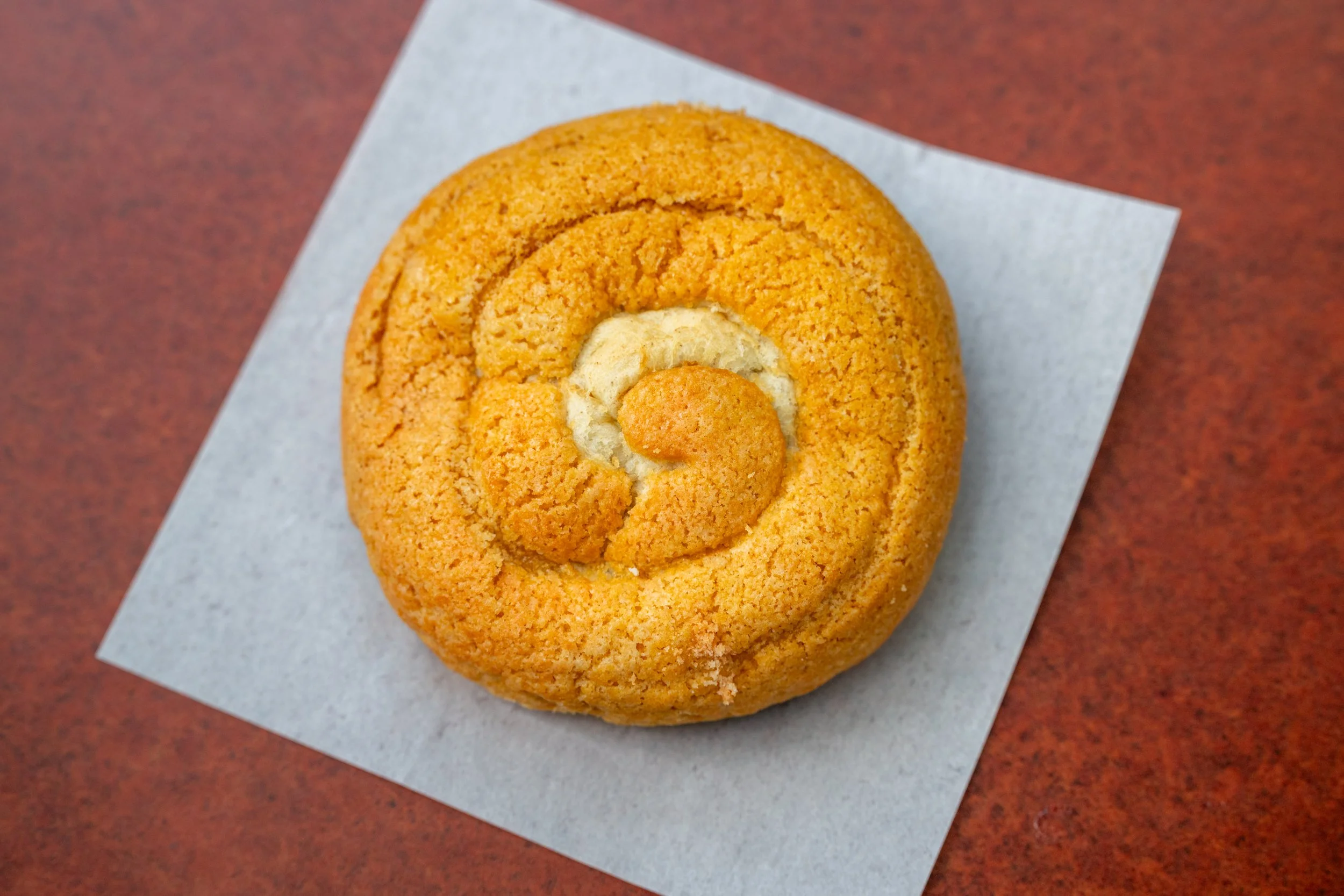
Apricot-Papaya Pastry Cream-Filled ConchA
“Mayra is essentially a pilot program,” says Andrea Porter, the program director of Seattle Restored.
The organization holds application cycles a few times each year, where entrepreneurs explain their vision, community engagement, and sales to a panel of community members and the Seattle Restored staff. “It is a lot about matchmaking, as well, to find them the right property and the right timing,” explains Porter. Because they sign short-term, gap-filling leases, things move quickly. Usually, participants get about two weeks from notification to opening. “We do ask for a lot of hustle from the program, because people have to really jump at the opportunities if they’re there.”
Even with Sibrian still baking in her offsite commissary kitchen, the move to City Hall required significantly more preparation time, additional licenses, and modifications to the space, more than any of the previous 75+ residencies Seattle Restored has sponsored. “It’s been a whole roller coaster,” says Sibrian.
By animating vacant spaces, Seattle Restored makes them more appealing for future tenants, boosting surrounding neighboring businesses and improving street life. It also gives participants and new business owners a trial period before committing to a lease. “A pop-up program lets them really see, what are the pain points?” says Porter. They learn what surprise needs they have for a space: a loading dock, more windows, or nothing at all. Many participants go on to sign their own traditional leases on their pop-up space.
Though Pan de La Selva already extended the original three-month agreement with Seattle Restored to six months, Sibrian admits that the location is “not my home, not my vibe” long term. However, it accomplished exactly what the program aims for, clarifying what it takes to turn her business into a successful physical location. “There’s a lot of glamour in our industry where some people very quickly want to move through the steps of: they have a food idea, and then they do pop-ups, and then they immediately want to get a storefront,” says Sibrian.
Even with help from Seattle Restored, it has been grueling. “I feel like I’m getting a lot of attention, which is great, but it’s not like bustling and busy, day in and day out,” she warns. “It truly is hard work, and you don’t have to rush to get a storefront if it’s not the right move.”
The experience did help her hone in on her goals for the future of her business: “To invite other people who have a connection to this bread to throw down, really get creative, and figure out what we can do with pan dulce and the flavors of our culture.”