A talk through the ins and outs with Alex Johnstone and David Rothstein about their unique grocer business
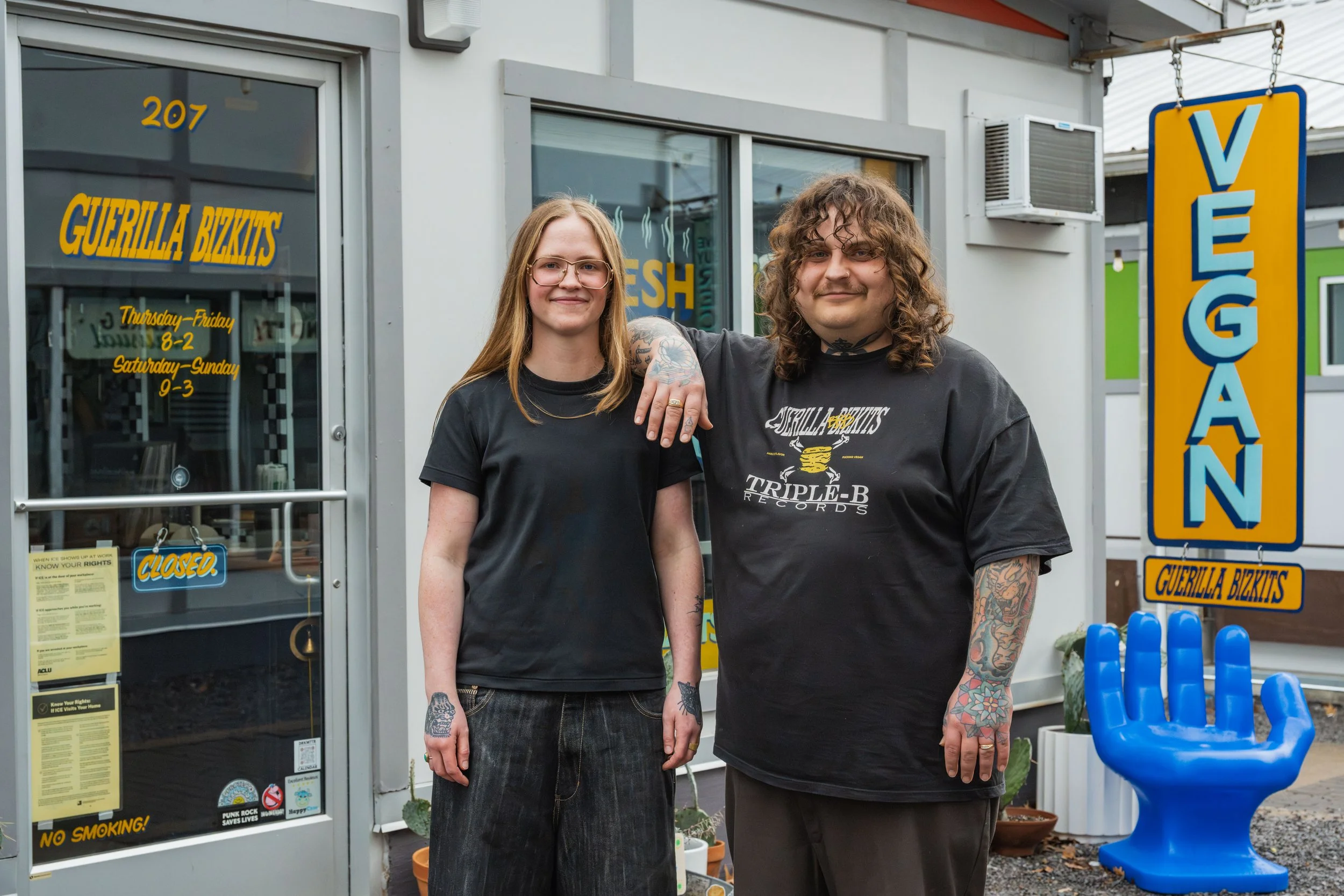
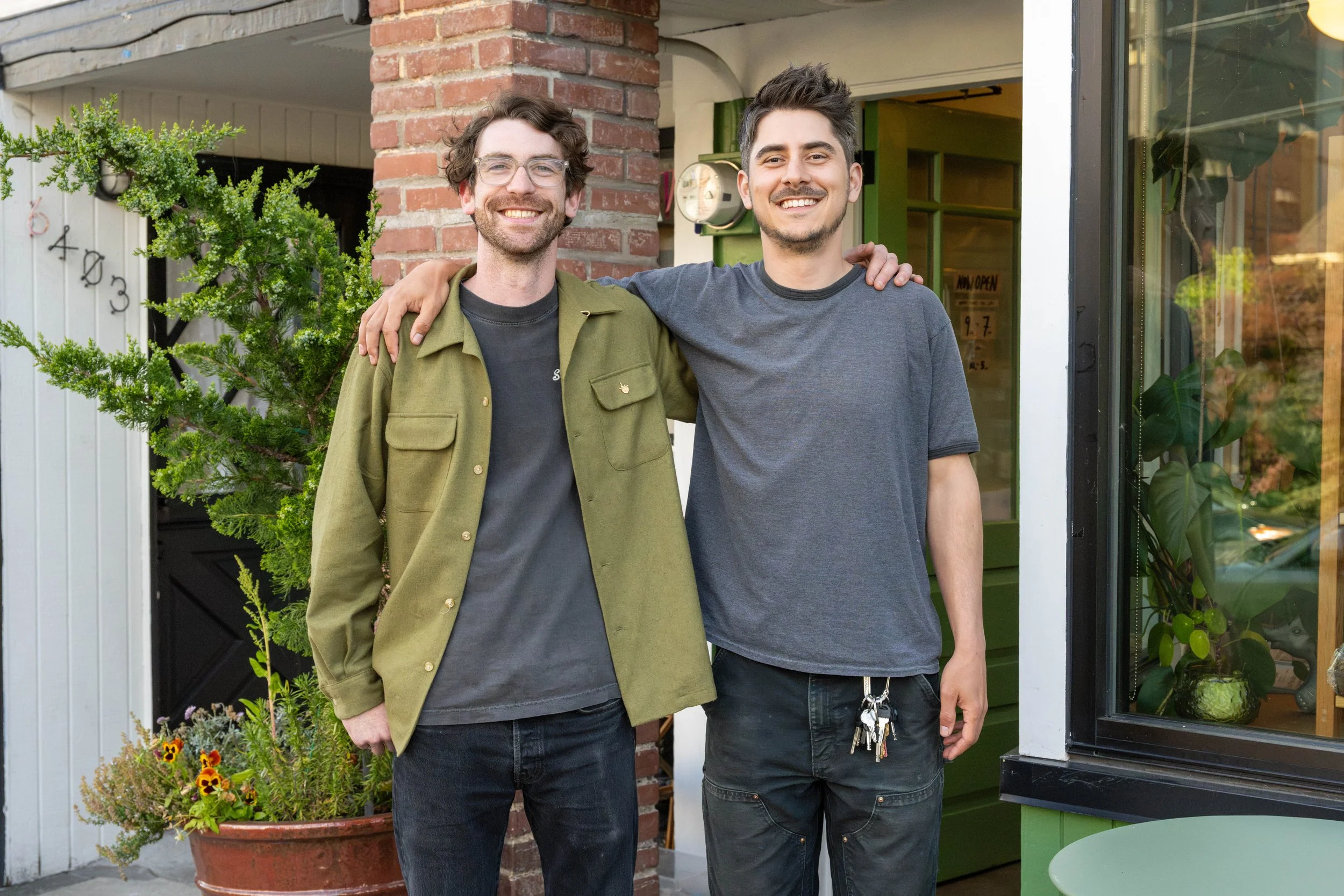
Alex Johnstone and David Rothstein of Salmonberry GOods. |. Photos: Will Blunt
Every once in a while, we meet with folks who just don’t fit the mold, and that’s especially true of Alex Johnstone and David Rothstein of Salmonberry Goods. The sum of this duo—bakers, grocers, crucial middlemen, deli owners, curators, and more—is greater than its parts. The best way to explain them is to let them speak for themselves. StarChefs staff writer Joshua Carlucci sat down with Johnstone and Rothstein to break down their business and how they fill a unique niche in their hometown.
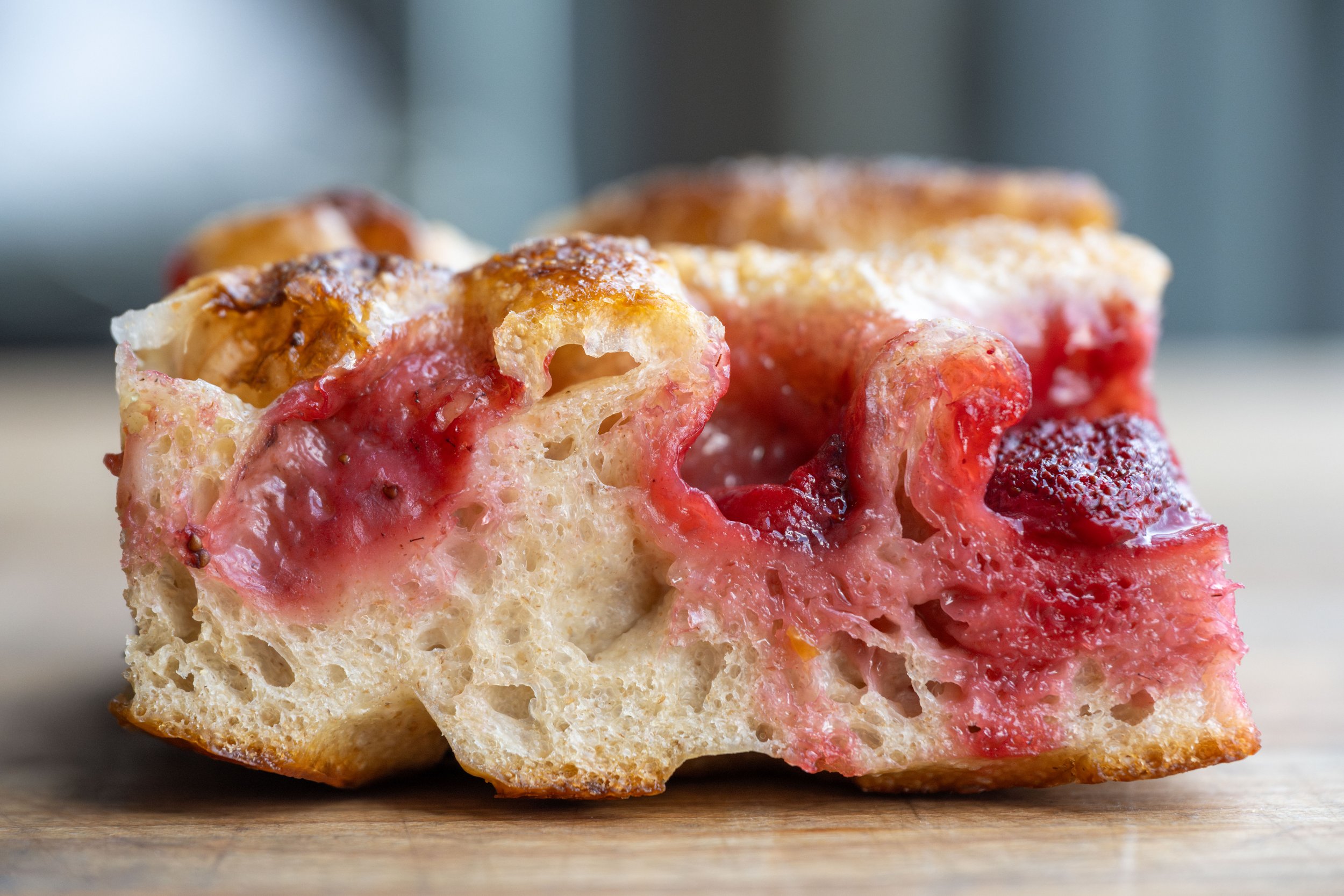
Strawberry Focaccia
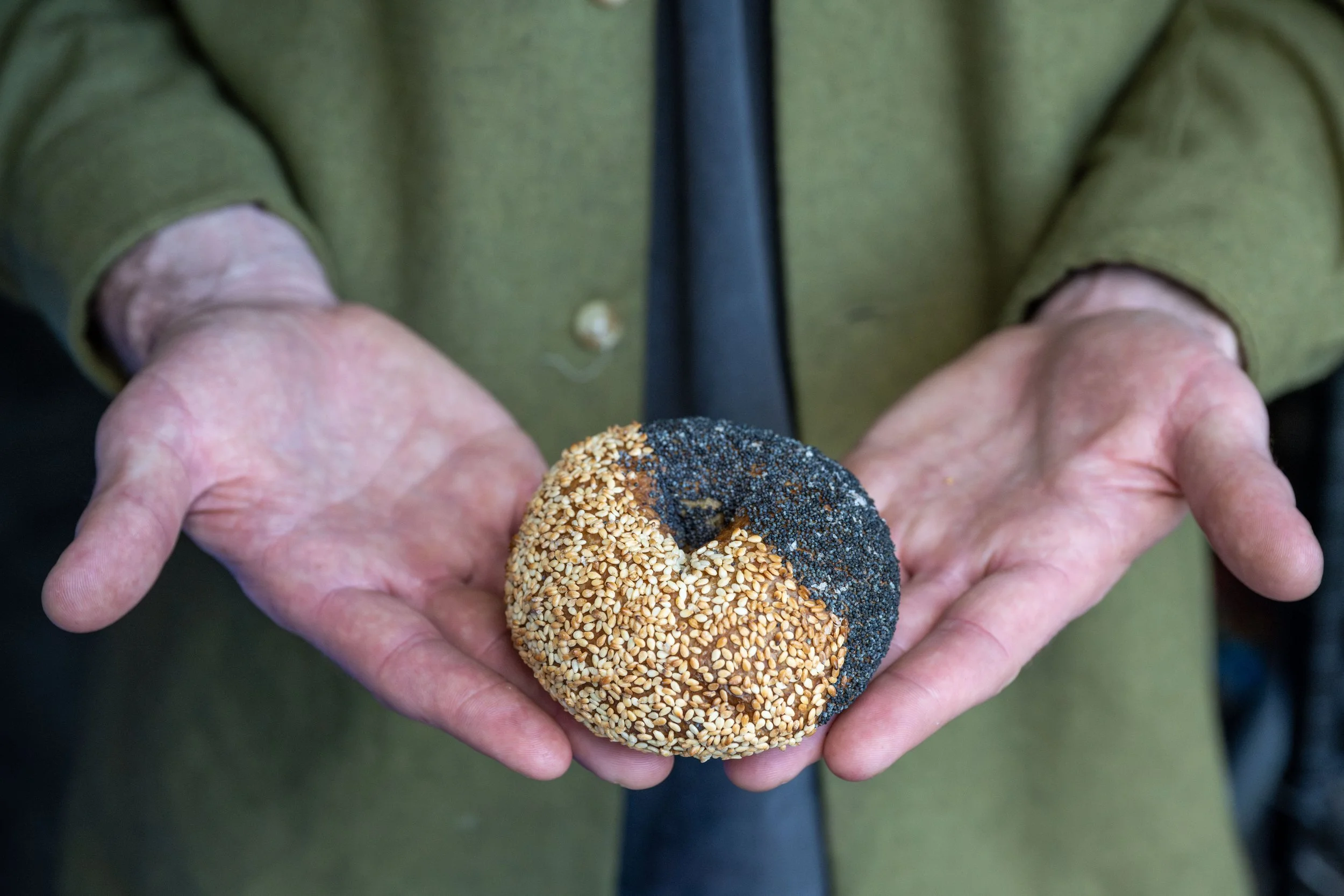
Poppy & Sesame Seed Bagel
Joshua Carlucci: You've evolved from a bike-cart coffee outfit to a bakery-grocer hybrid. How is Salmonberry Goods structured today, and how do you divide ownership and decision-making responsibilities between the two of you?
Alex Johnstone: We have a few clear parts. There’s the bakery and food production arm, where we both play a heavy role—fermenting breads, breaking down vegetables, making soups and sauces. That’s fed by our farm distribution work, where we take in hundreds or thousands of pounds of produce weekly and build boxes for home delivery. David does the farm buying. I help with fulfillment, recipe development and food production, and strategy and communications. Any extra or imperfect produce goes into the bakery. About a year ago, we opened a small bakery-grocery where people can pick up bread, soup, and local produce. Those are our three main parts, and we both stay involved while specializing a bit.
David Rothstein: We think of it as two structures: the warehouse, where production and fulfillment happen, and the satellite grocer, our retail front now open seven days a week.
JC: Roughly what percentage of your revenue comes from each channel, and which arm is most profitable?
DR: Production blurs the lines between them. The shop’s been surprisingly great from the start, though it’s new. Production and delivery make up the majority, but the shop’s a fast-growing minority. Home delivery includes baked goods as well as produce, so the channels overlap. They all feed each other.
AJ: The shop is probably the most profitable arm because it’s more straightforward. Home delivery can be inconsistent depending on distance, and the bakery mainly supports both other channels rather than selling directly.
JC: How do you balance fair wages and sustainability while keeping things affordable?
DR: Through a creative pursuit of efficiency. We’ll never compromise on ingredients or local sourcing, but that takes constant negotiation. We work closely with farms to balance quality and value—it’s an ongoing conversation.
AJ: We used to do a ton of wholesale, but labor and ingredient costs made it unsustainable. Selling direct-to-consumer lets us pay our 12-person team and farmers well while keeping prices fair. Bigger batches help with efficiency, as long as quality stays high.
DR: And we live in Google Sheets. Simple algebra and sum functions help us track inventory and pace so we can make informed decisions.
JC: How do you handle the volatility of buying directly from small farms?
AJ: By staying flexible. Our menu adapts to what’s available. High-quality abundance goes into home delivery; smaller quantities go to the shop; and anything nearing its end gets frozen, jammed, or baked into something like our sweet focaccia. When you visited, it was strawberries—right now it’s end-of-season plums.
DR: Healthy, diversified relationships are essential. We spread our buying across many farms so everyone can weather ups and downs together. We have really steady, many-years-long, dedicated buying relationships, so we try to toe the line between buying across farms and being a high-volume regular customer.
AJ: And creativity helps. When a farmer has a glut, we make something new; when something’s scarce, we find ways to make it special.
JC: What does sustainable growth look like for you?
AJ: We just expanded our shop operations from five to seven days a week. And then we are also learning, as we go, what people need and what the needs are within this local food system. We've been offering people raw produce and bakes for quite some time and I think right now we’re working on more grab-and-go options for busy people who still want to eat with the seasons.
DR: It means meeting the needs of our community and suppliers. Farmers need to see us buy through good and bad years. Growth comes from proving reliability and generating excitement for local food—creating a feedback loop between us, customers, and farms.