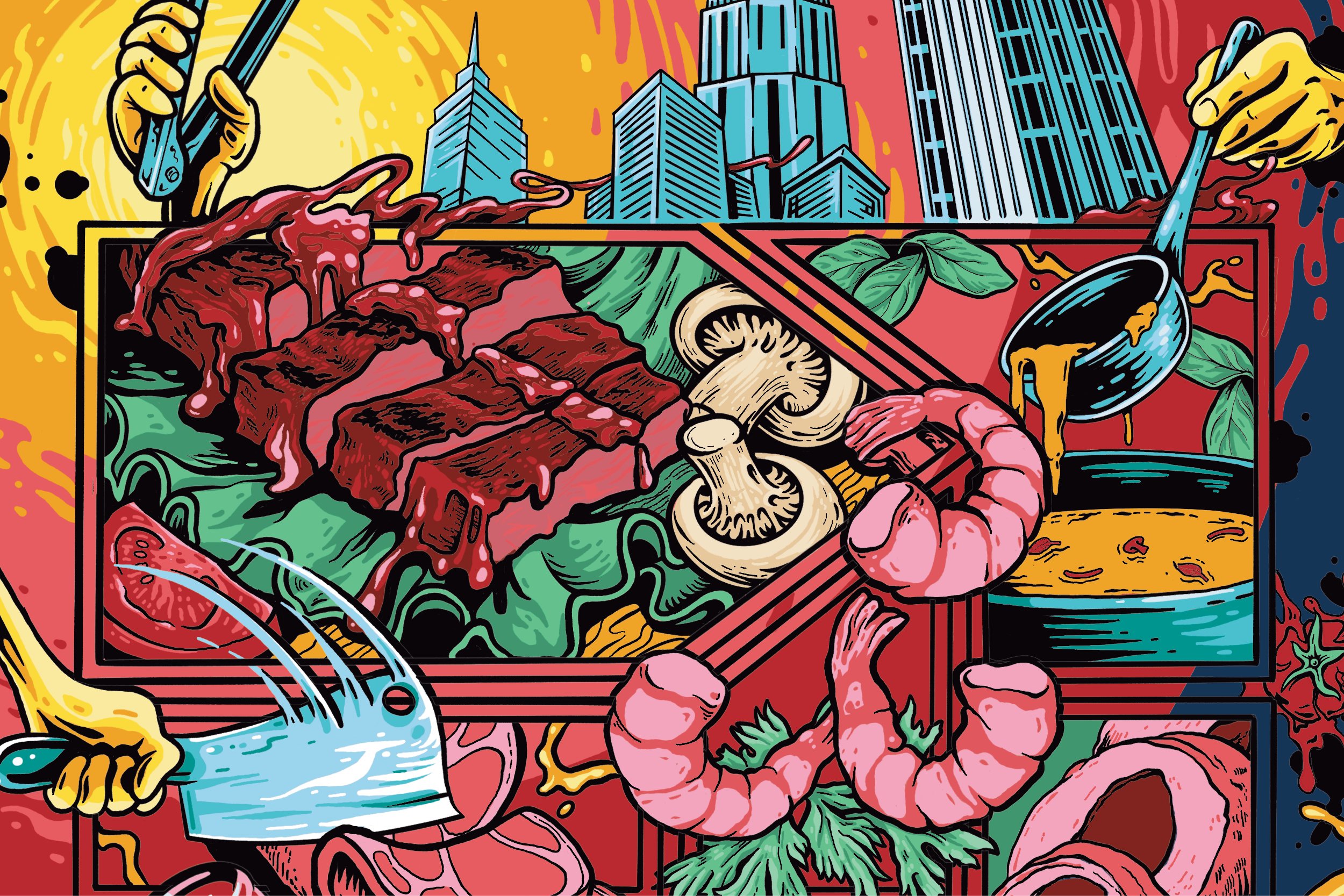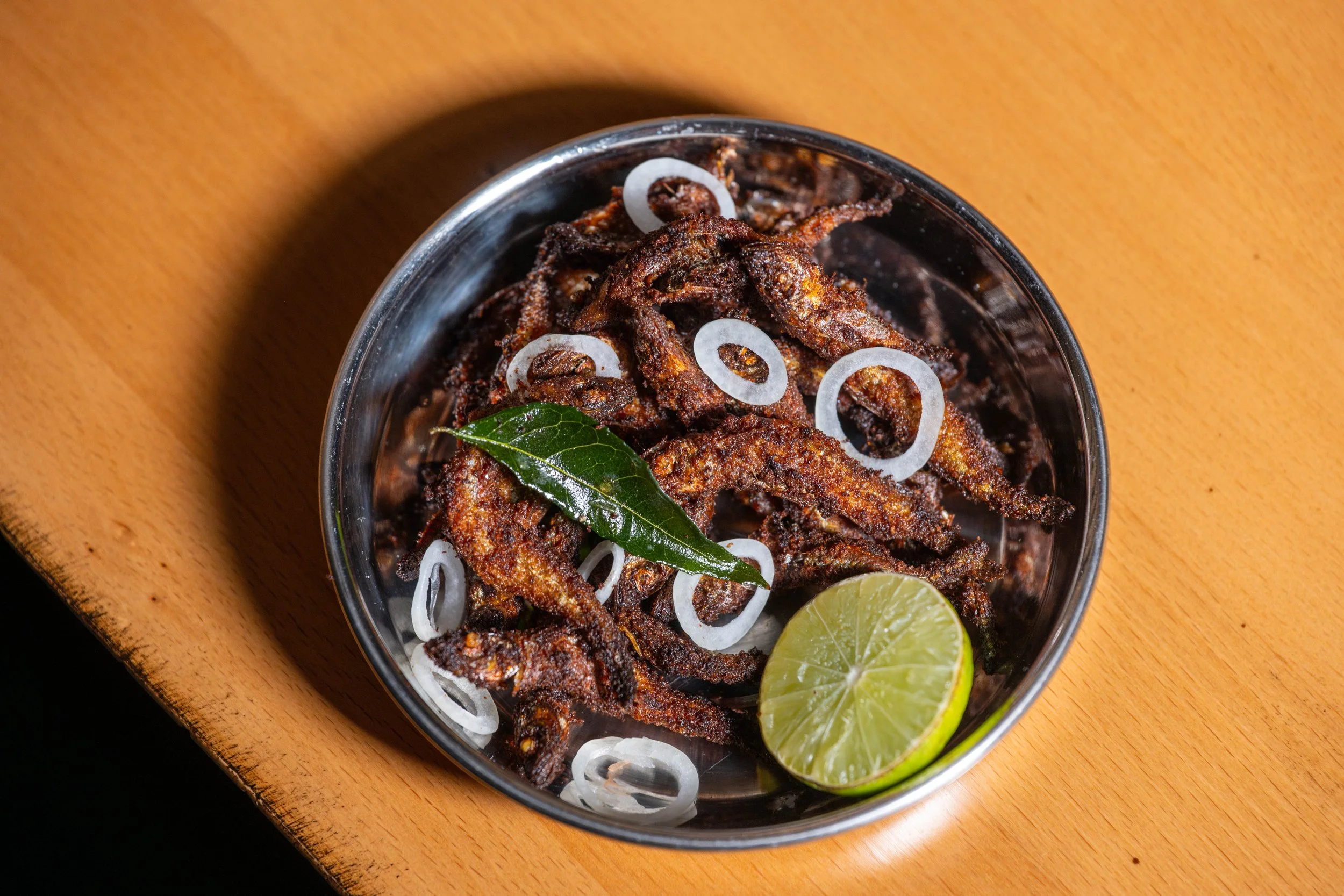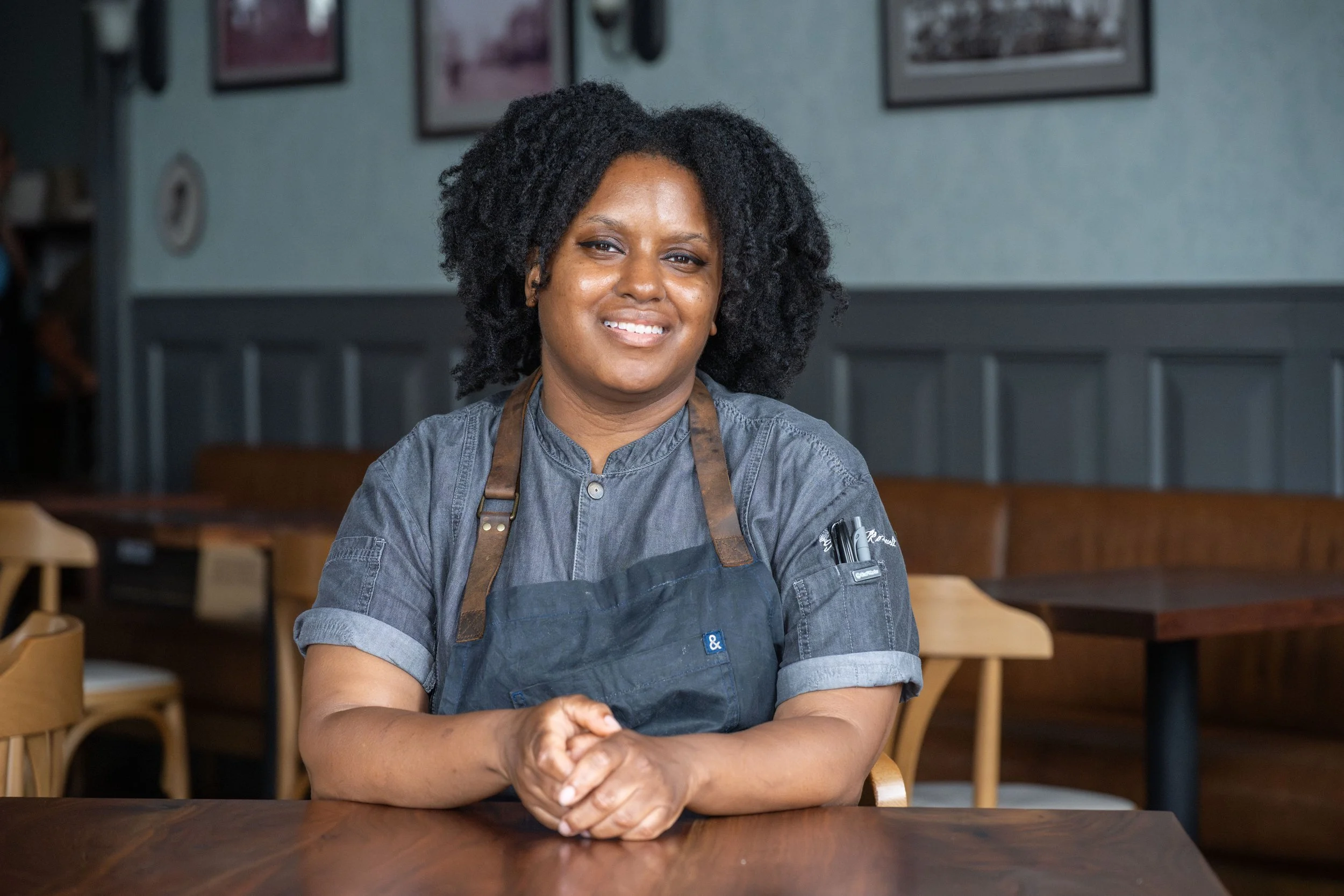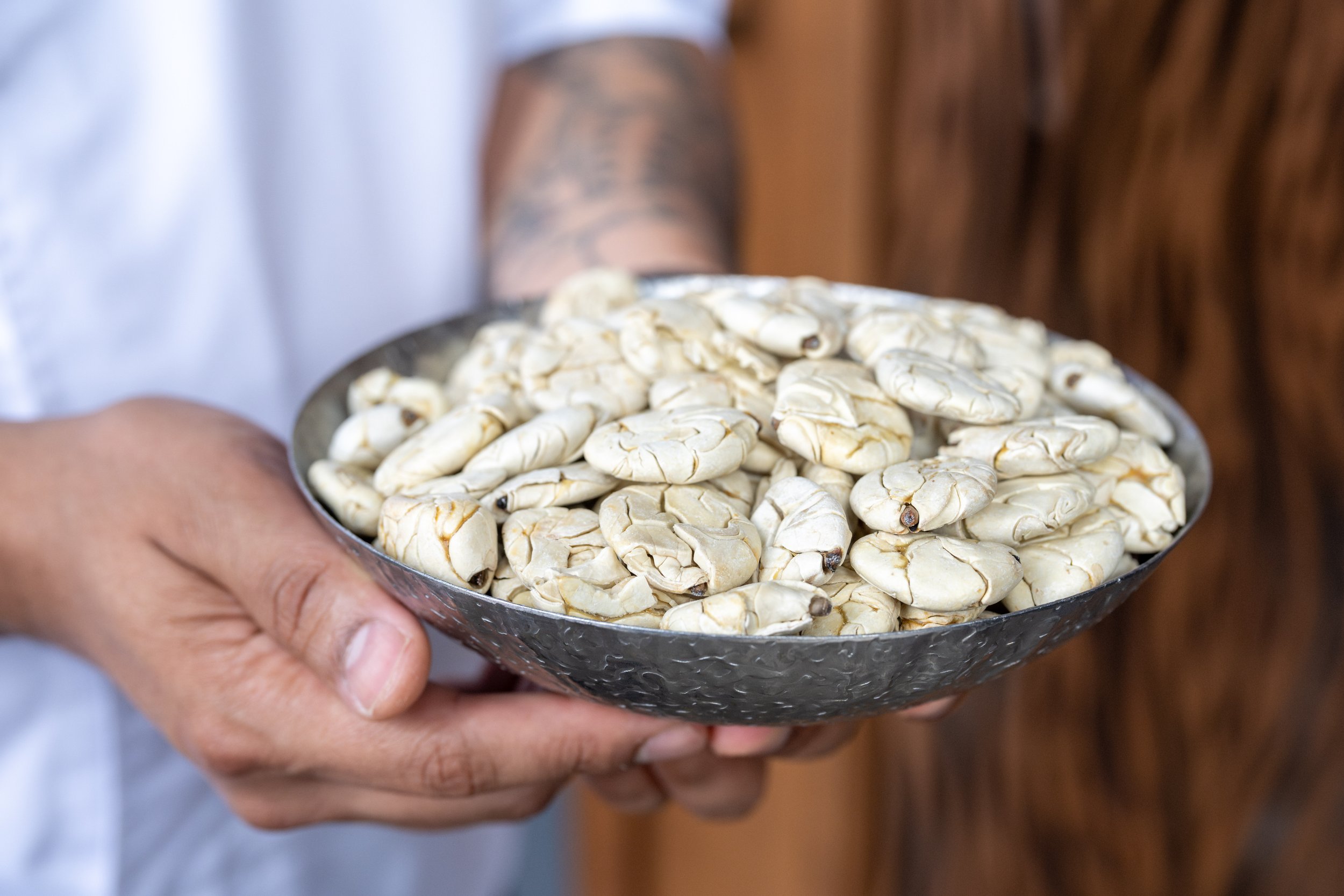
Magic City chefs give their two cents on building bridges between global cuisines.
Miami can’t be pigeonholed. It’s a city where cultures collide and culinary traditions blend into a seamless iconoclasm against the limits of “American” food. In 1988, when Miami’s own Norman Van Aken popularized the concept of “fusion” cooking, it marked a positive shift in the expanding American palate.
Since then, however, fusion dishes and restaurants have spread far and wide and taken on a somewhat unflattering identity. While more recently it referred to an often inauthentic, gimmicky, and haphazard combination of cuisines, the word—and what it represents—is being redefined and rewritten. Miami, in all its diversity, has become an unsurprising ground zero for not only the meshing and melding of different flavors and ingredients, but the honoring of their origins. Chefs from the 305 share their evolving perspectives on “fusion” cuisine, from embracing divergence to emulating authenticity. They explain how Miami’s patchwork, globalist food scene enables them to break boundaries and create dishes that respect their roots while unearthing a broader range of flavors and techniques.
How do you feel about the word “fusion?”
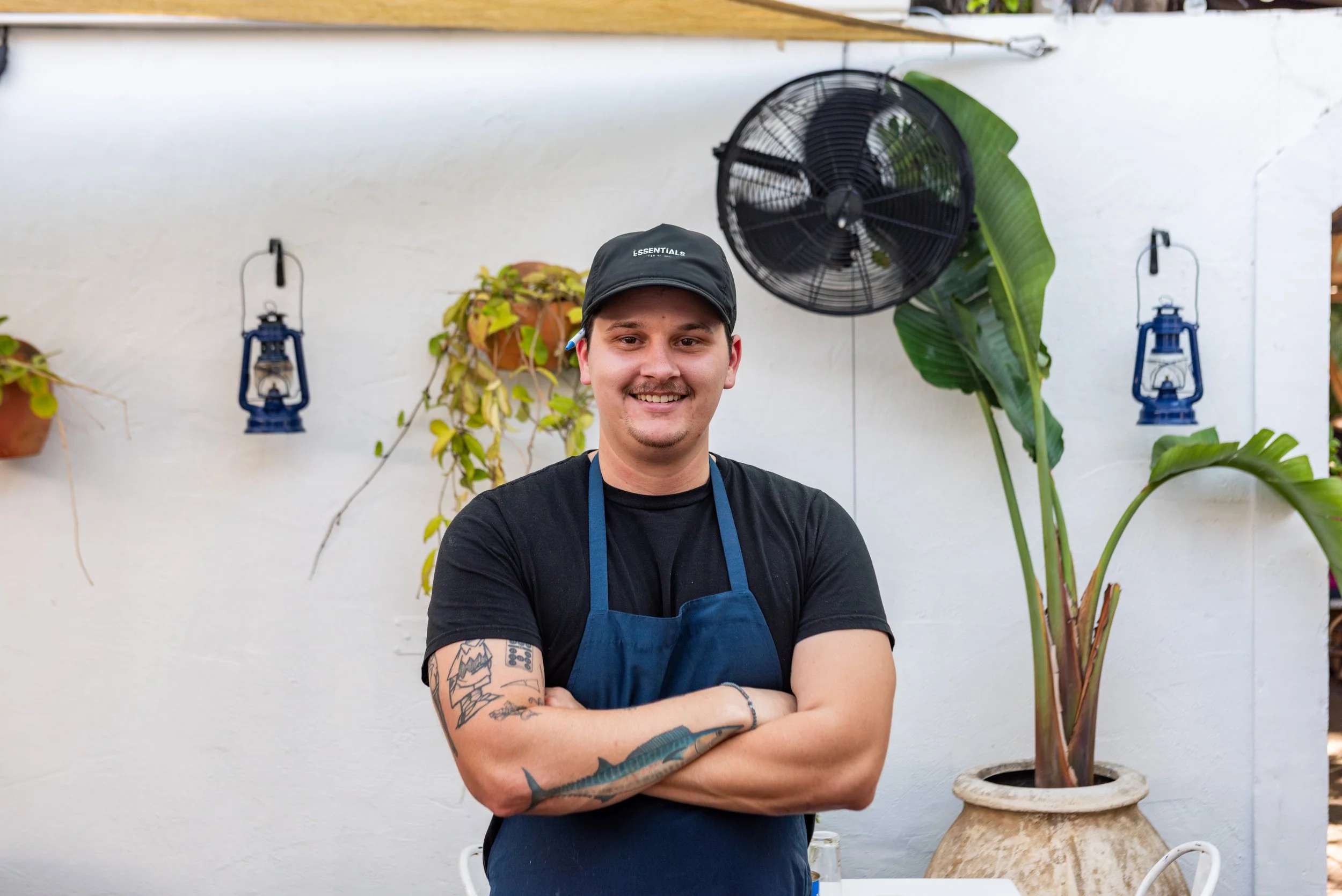
Chef Anthony Galleno of Mandolin Aegean Bistro
From a chef’s perspective, "fusion" is a loaded word. Early on, it had a reputation for being gimmicky—often associated with trend-driven dishes that lacked authenticity or depth. Many chefs, myself included, were skeptical because it sometimes led to forced combinations that didn’t respect the origins of the cuisines being blended. Over time, however, my view has evolved. Cooking is, at its core, a constantly evolving dialogue between cultures, ingredients, and traditions. In cities like Miami, where diverse culinary influences naturally collide, fusion isn’t just a trend—it’s inevitable. The key is to approach it with thoughtfulness and respect.
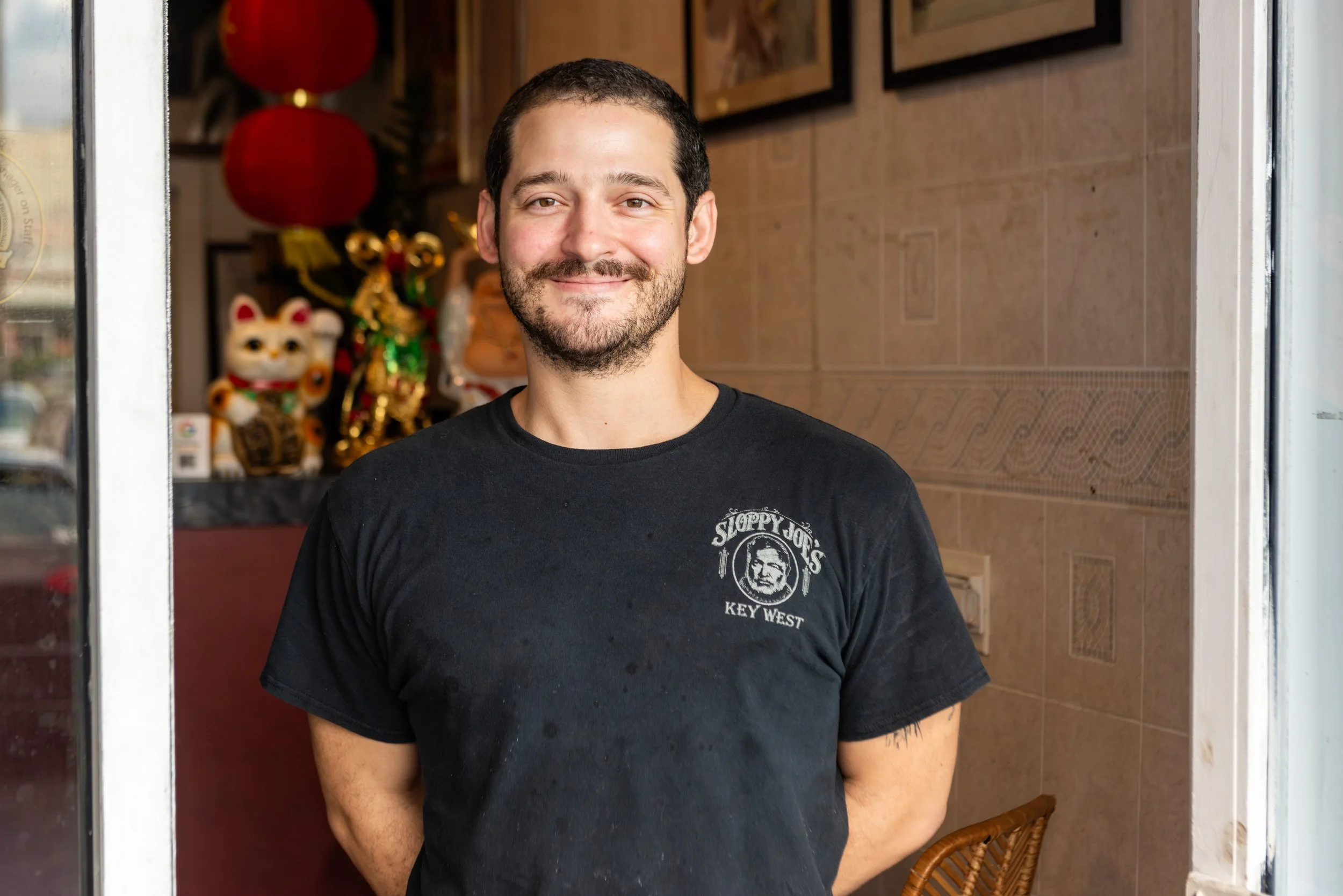
Chef Adrian Ochoa of Double Luck Chinese
Fusion has been a bit of an ugly word for the past decade or so, being thrown around as an insult for someone who co-opts another cuisine to make up for their lack of skill or creativity. A major shift has taken place over the past few years as people's understanding of cuisines have deepened, and that co-opting has made way for a greater respect in the way people approach cuisines other than the one they were raised with. The other major change has been a realization that all these "fusion" foods are merely an evolution of other fusion foods. Realistically, all the greatest foods in existence are in large part thanks to the constant fusing and evolution brought on by trade and local taste buds craving the new.
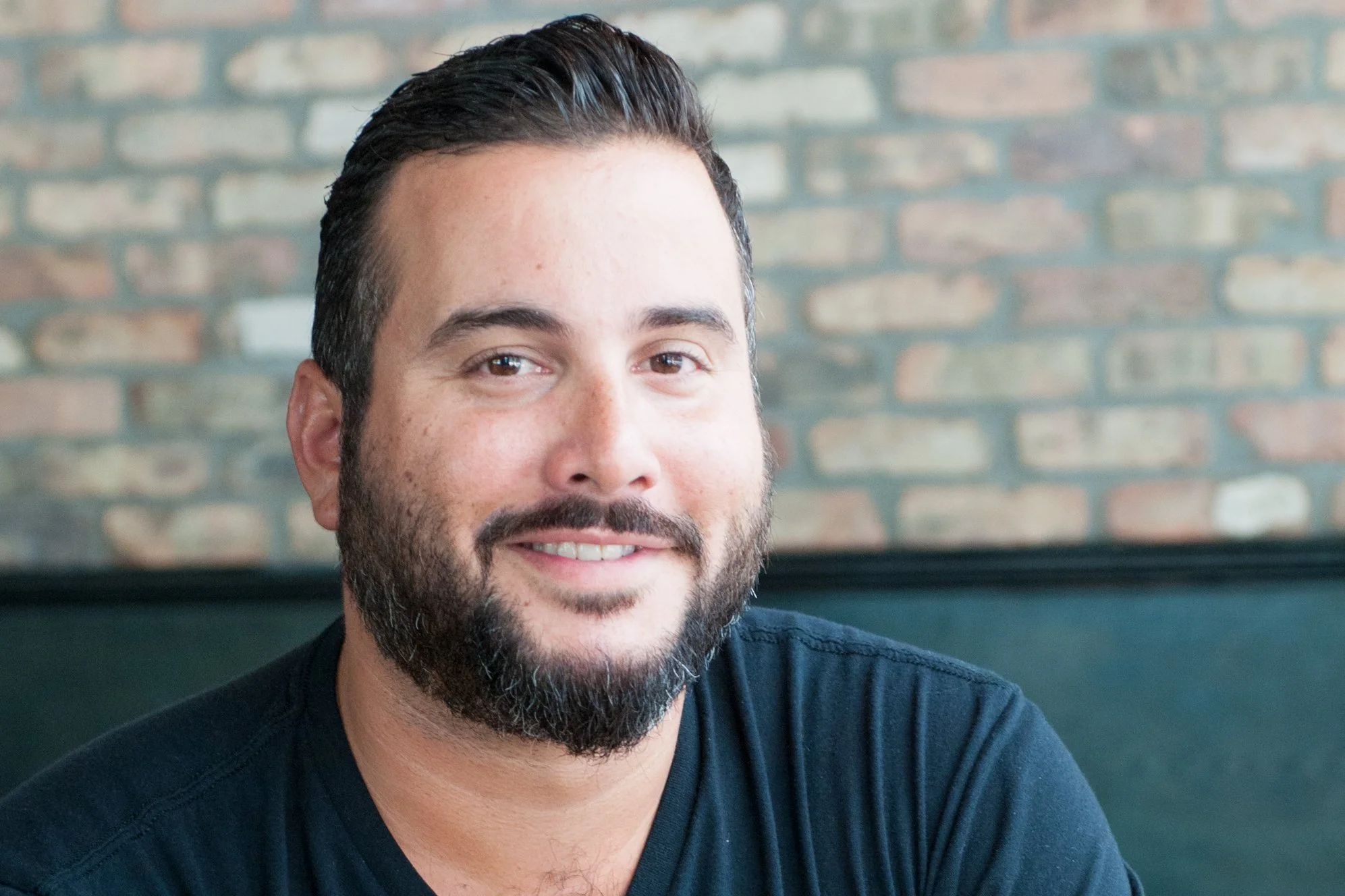
Chef José Mendín of Pubbelly Sushi
Fusion is an organic way of mixing cultures, not a forced one. With time, cultures have been blended and amazing fusion has come out of it. As a chef, I use my training and my upbringing to create and blend recipes in a way that makes sense, but never forcing it for the sake of a concept.
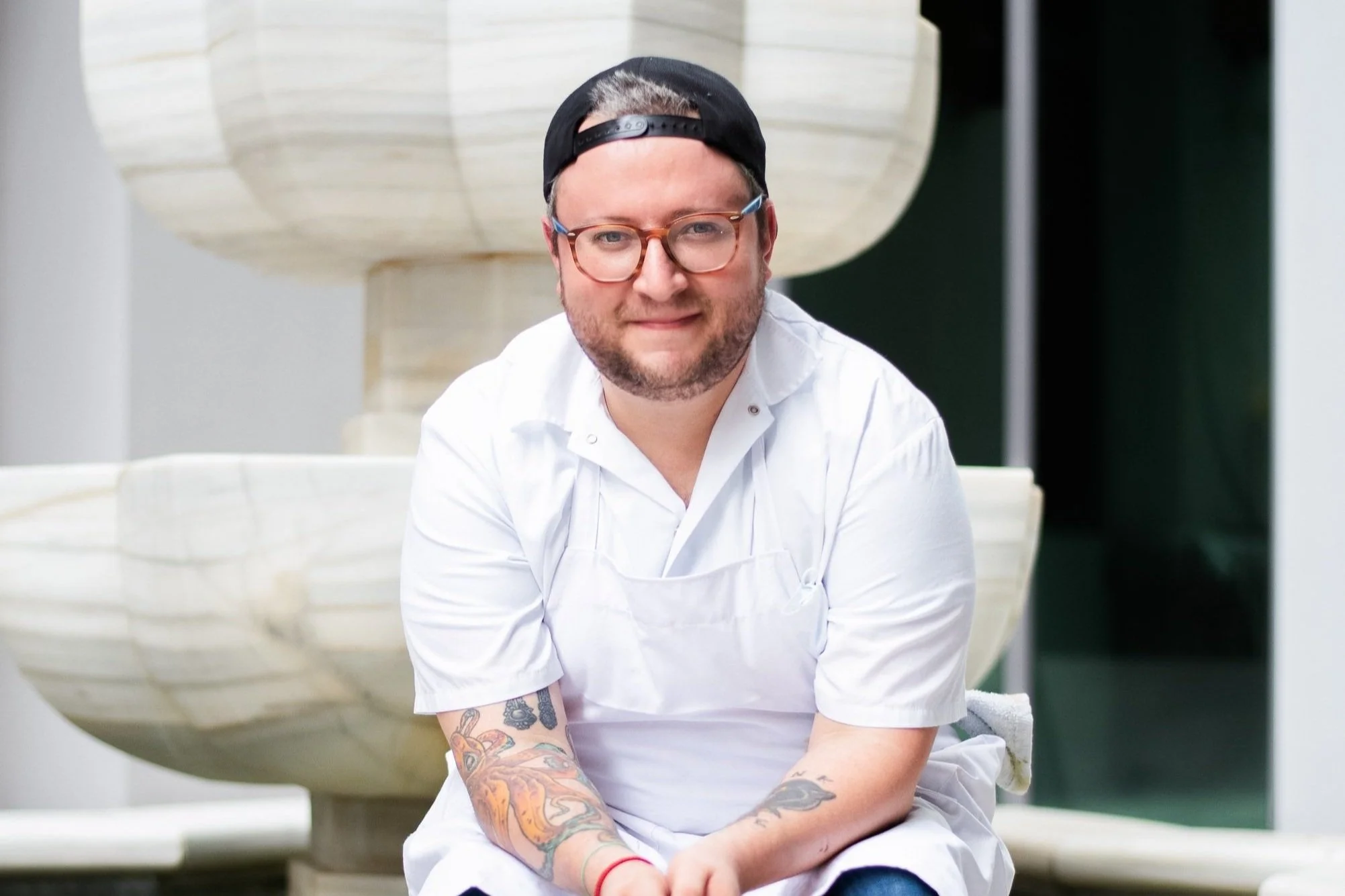
Chef Pablo Zitzmann of Zitz Sum
The word "fusion" opened the doors for a lot of restaurants to be able to mix flavors and techniques, and for guests to be exposed to different cuisines. I think chefs get triggered by that word, but, in reality, what we're doing is precisely that. We just don't like to use that word since it's been commercially abused.
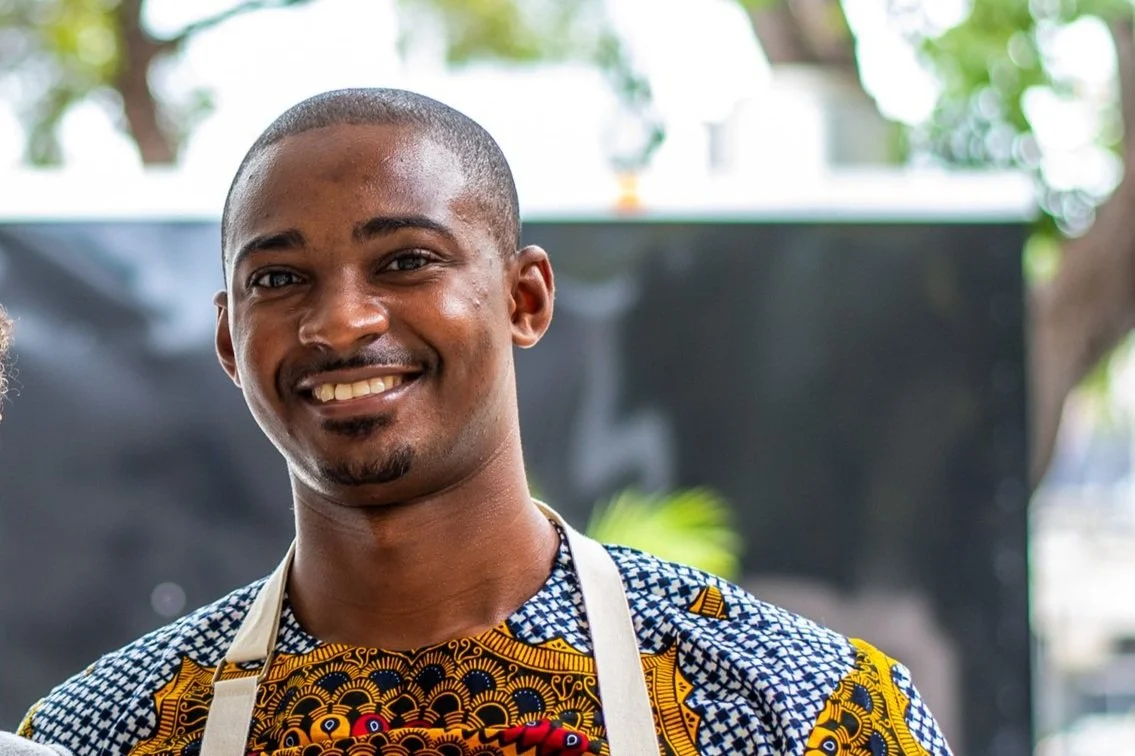
Chef Akino West of Rosie’s Miami
The word “fusion” has a very specific meaning, especially with how the new generation of chefs like to define their food. Personally, I prefer the language of nuance. For example, describing Rosie’s as Southern cuisine with Italian nuances, curated from memories and culture. I believe people are more receptive to these kinds of concepts when food comes from the heart.
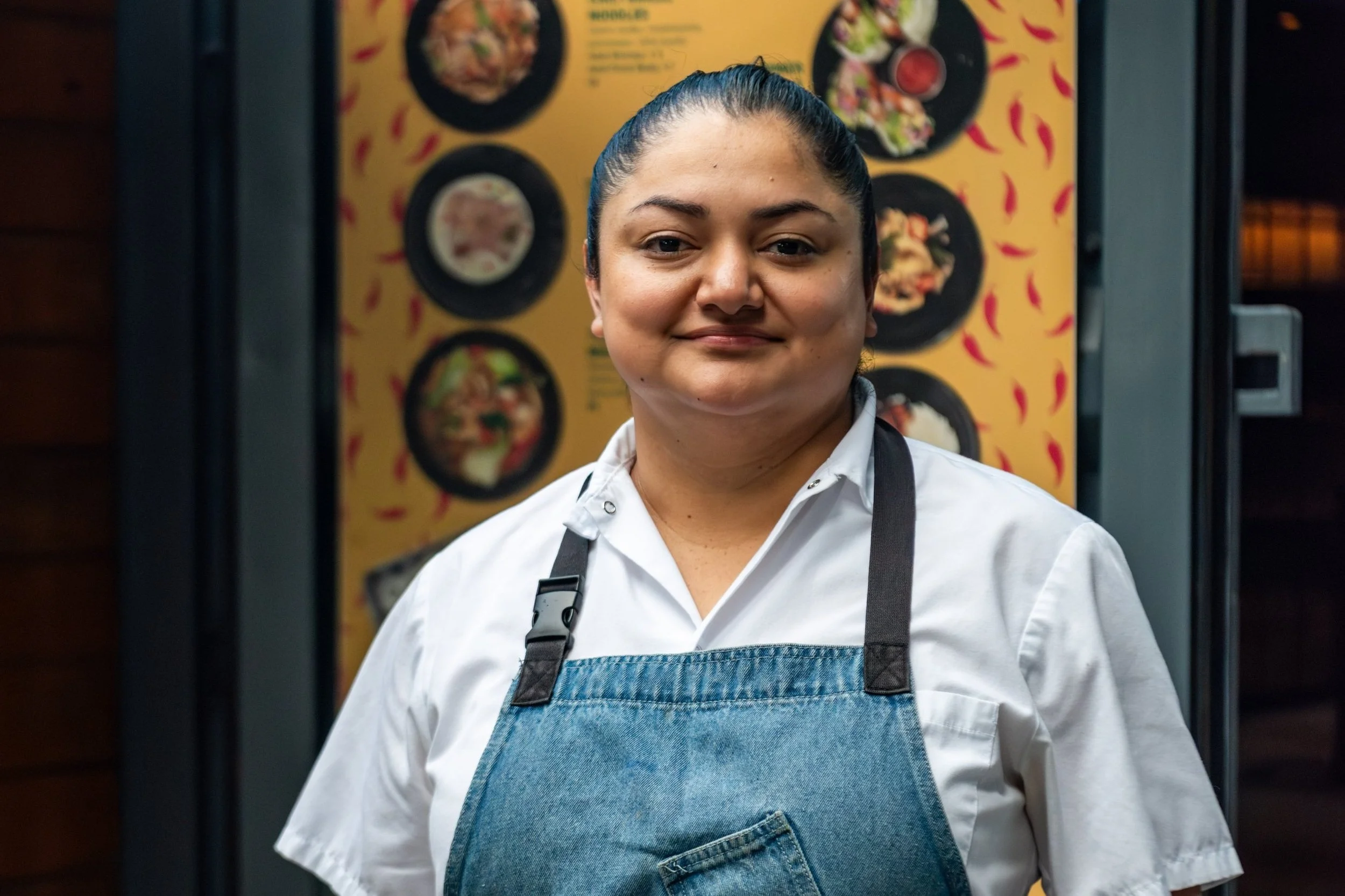
Chef Nancy Dominguez of Sili
My relationship with fusion has definitely evolved. Early on, it felt like a trend, a buzzword that didn’t always do justice to the rich, complex history behind the cuisines being combined. But over time, as I've honed my craft and explored different cultures through food, my perspective has softened. I’ve learned that fusion, when done thoughtfully, can be an exciting way to create something new while honoring tradition. The key is balance—understanding the essence of each cuisine and finding ways to merge them without losing what makes them special.
How do you draw on global cuisines, ingredients, and techniques?
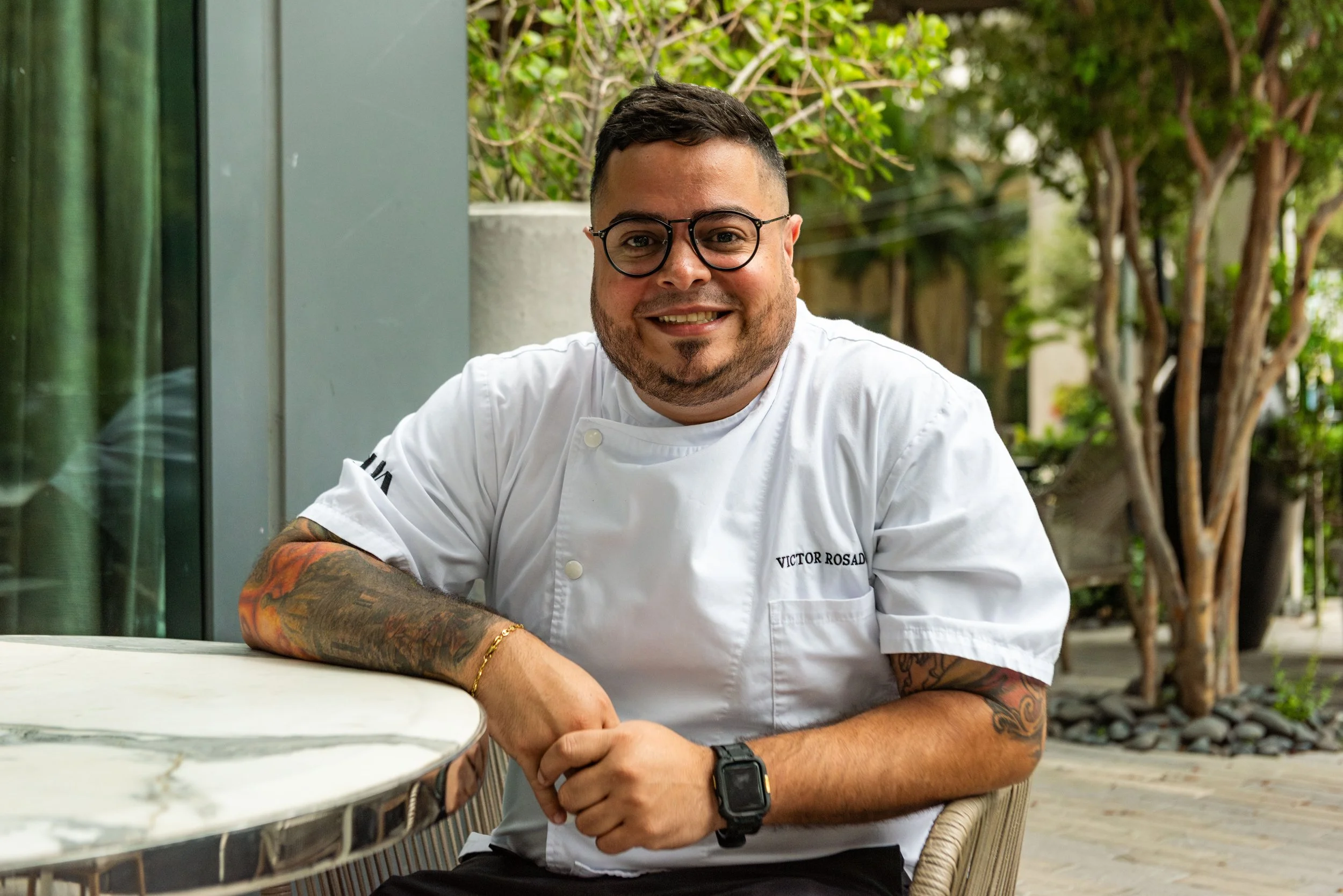
Chef Victor Rosado of AHU|MAR at Dua Miami
In a way that feels natural and organic to my own experiences and my guest’s experiences. Traveling in different cities with great diversity from all over the world has been key. This has helped me to learn a lot about ingredients, techniques, and dishes. Also, the experience of working with chefs and cooks from different backgrounds has taught me that you can always learn something new. It doesn't matter who it comes from. I approach cooking by respecting the essences of each cuisine, but, at the same time, finding creative ways to make it my own.
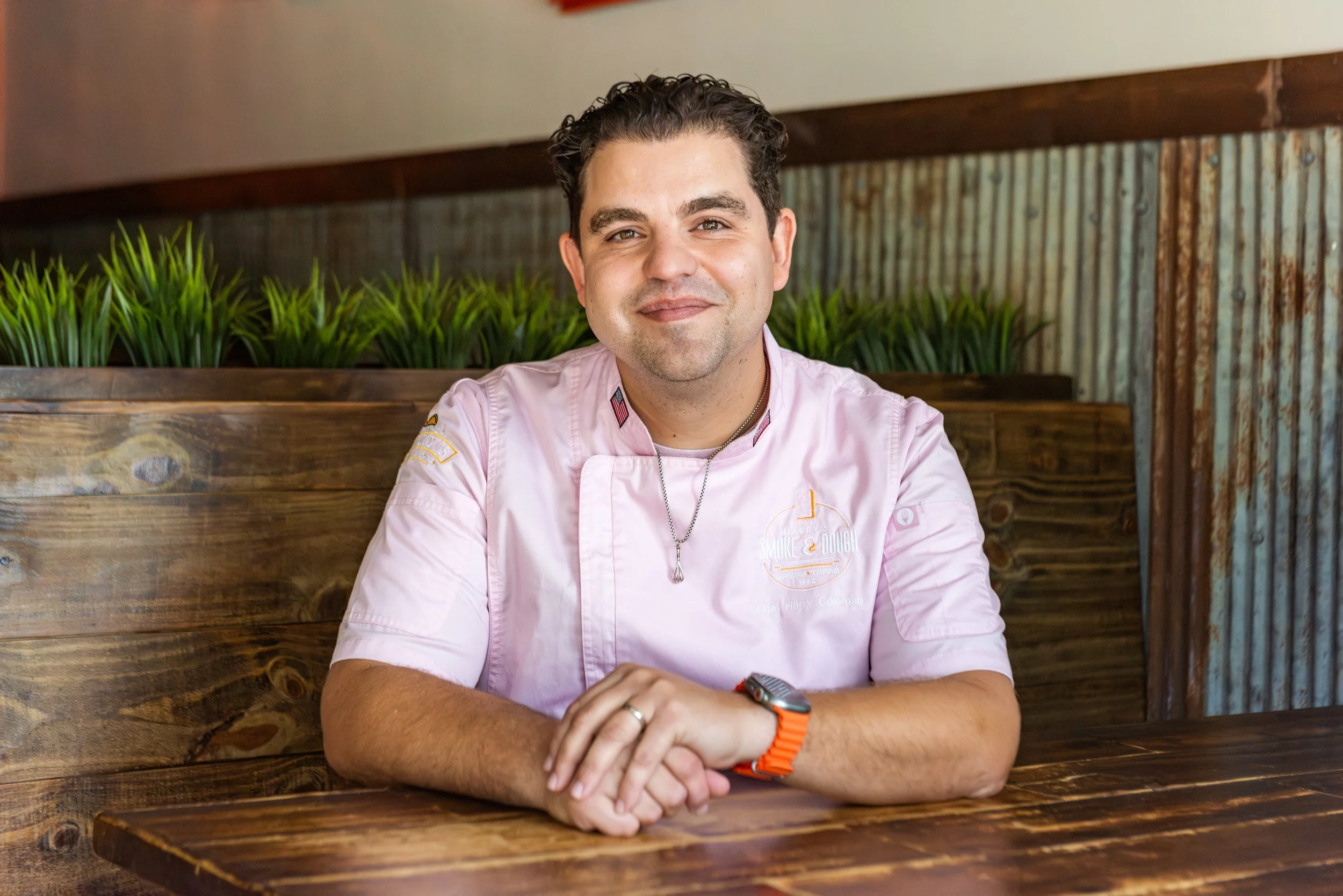
Chef Harry Coleman of Empanada Harry's and Smoke & Dough
Making different dishes the right way is extremely important to me. When I travel, I try to learn the proper ingredients and traditional techniques needed to make a particular sauce or plate correctly, but always with my own twist. My travels to Oaxaca taught me that when we make our mole, it is important to source the right chiles in order to replicate the unique flavor. The beauty and tradition is sourcing the correct 25-plus ingredients and creating this authentic, ancient sauce the right way.
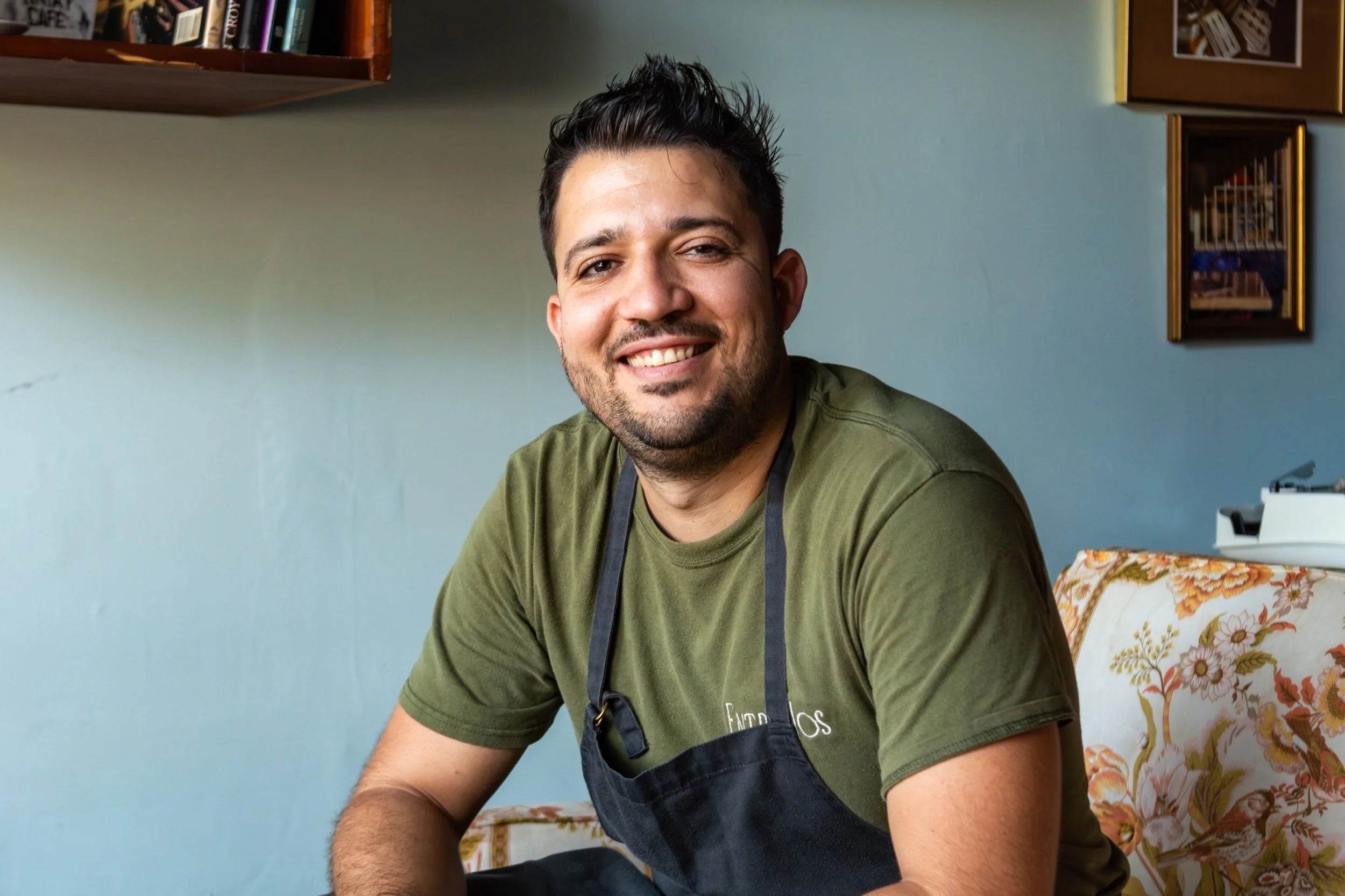
Chef Osmel Gonzalez of EntreNos
My cooking is shaped by my heritage, the places I’ve worked, my personal experiences, and the people who have influenced me. As chefs, we recognize the importance and responsibility of showcasing the ingredients and traditions that surround us. It’s essential to stay authentic to a place and honor the people who make it unique.
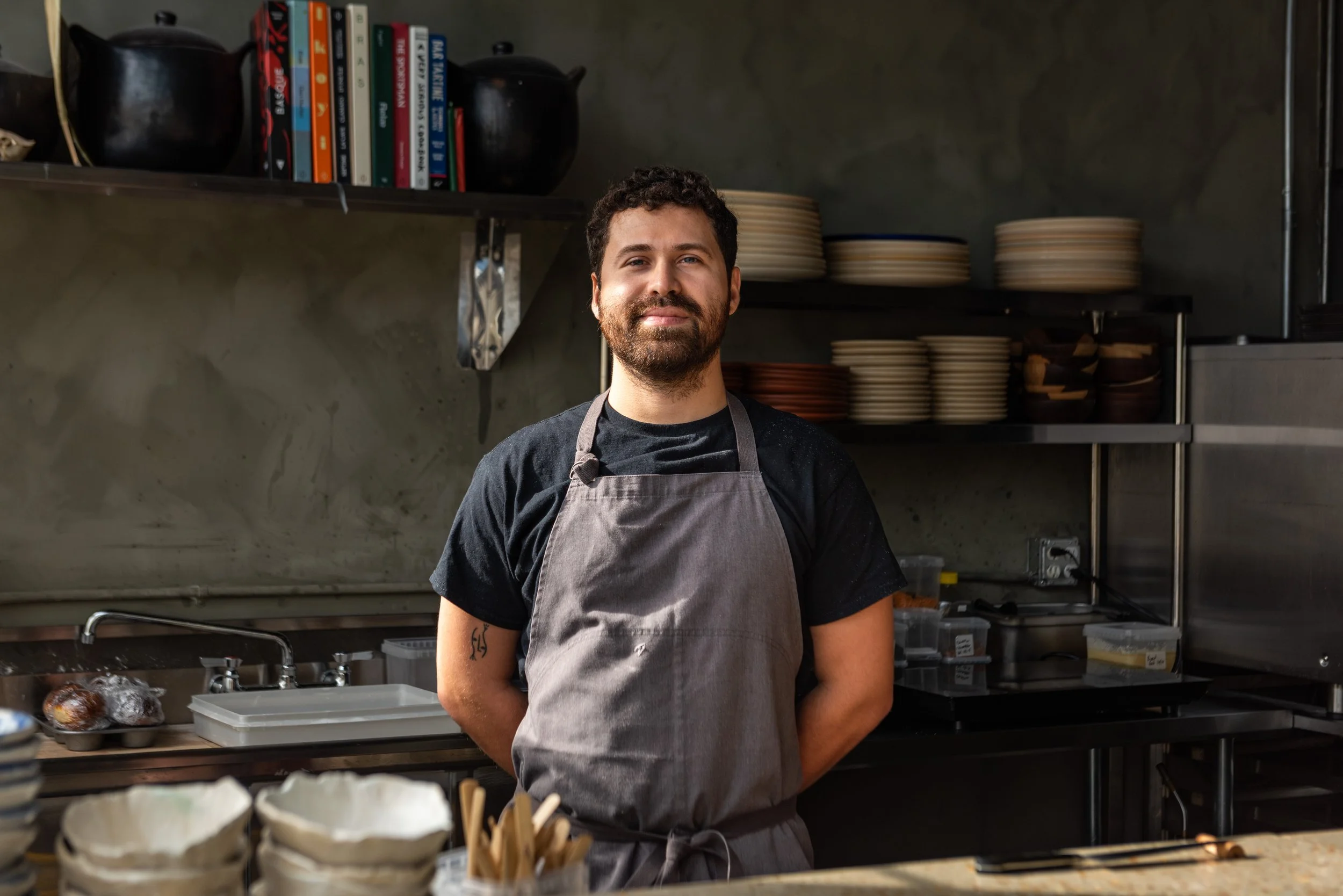
Chef Juan Camilo Liscano of Palma
I think great dishes and ideas come from memories or experiences you've had in the past; it can be the rich, gelatinous sauce of a proper pil pil over a wild turbot, or the sweetness and crunch of a lettuce head pulled out of the ground at seven in the morning before the sun has fully risen.
How do you express authenticity in your food?
Chef Anthony Galleno of Mandolin Aegean Bistro
Growing up in Miami, a city that thrives on cultural blending—authenticity can stem from the architecture, the music, the way people talk, and, of course, the food. Unlike cities with stricter culinary traditions, Miami’s food scene is about movement, adaptation, and reinvention. There’s no expectation that you have to cook a cuisine exactly as it’s done elsewhere—what matters here is flavor, energy, and connection. Miami’s food scene is a reflection of its people: vibrant, diverse, and always changing. That makes it the perfect place to break boundaries and create something new.
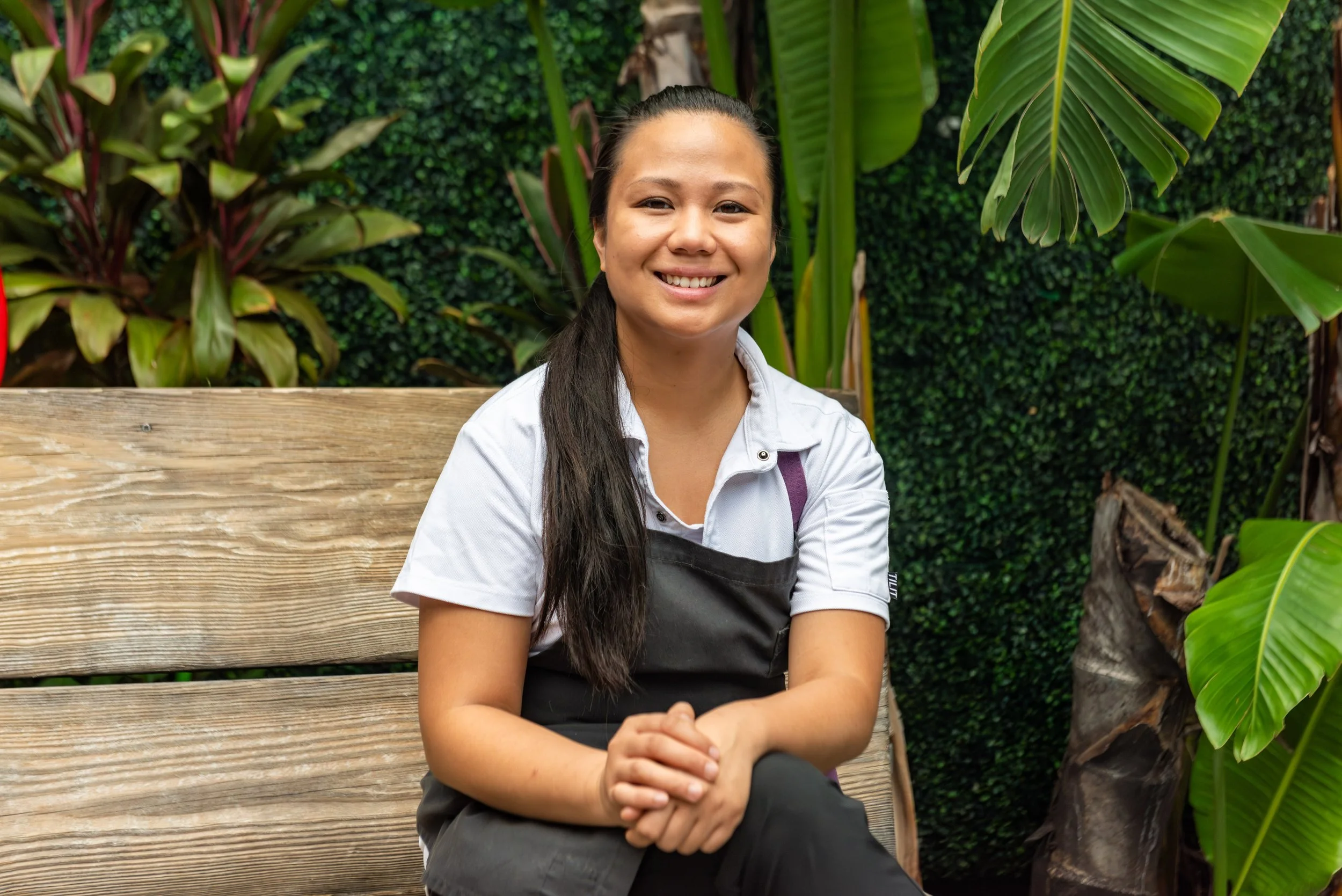
Chef Leicel Ros of Sili
Our cuisine at Sili is travel-inspired. It’s also inspired by people in our lives who we have met along the way: chefs, mentors, friends, family. In life, who we are and who we become are a combination of all the people and experiences who help inspire us to grow and become better. At Sili, we have a lot of dishes that pay tribute to Vietnamese cuisine and other Southeast Asian countries with some Filipino flavors woven in. We want our guests to taste those flavors and the intention behind it.
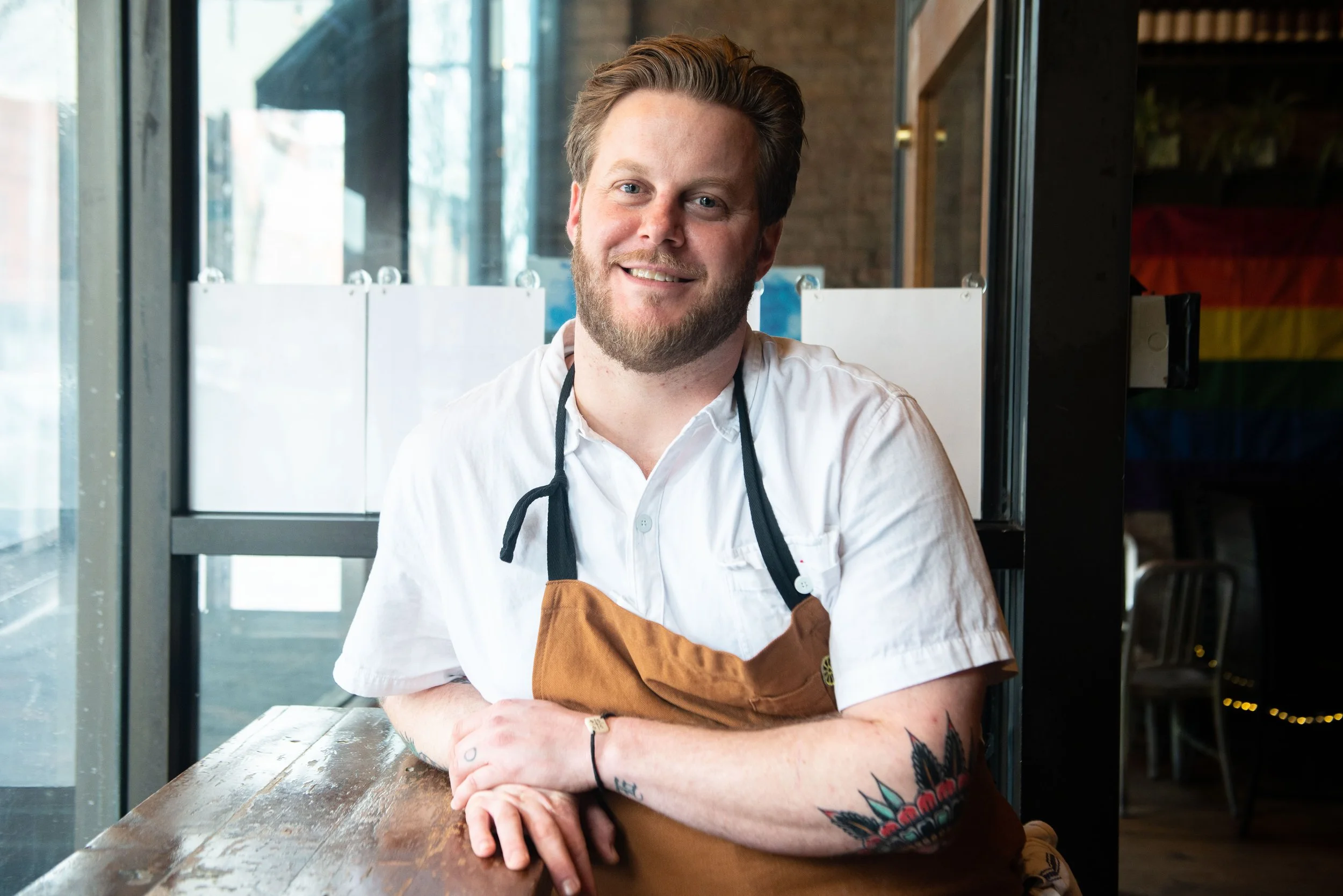
Chef Josh Elliott of QP Tapas
My authenticity lies in the amount of me that goes into each dish. And I don't say that as an ego thing, but it all starts with an idea in my crazy brain. We say in our little crew, "everything matters or nothing matters." Being obsessive and relentless over something can get a little hairy, but it's what makes it authentic; what makes people connect to it, and to me.

Chef Seth Fatah of Kaori
The food is based on my childhood memory when I was living in Asia, how my parents played a vital role in me being a food explorer, and using those flavors and techniques in the dishes I make at the restaurant today. I believe that after the guests have dined at the restaurant they have a sense of what Pan-Asian cuisine is.
What is it about Miami that gives you the freedom to break boundaries?
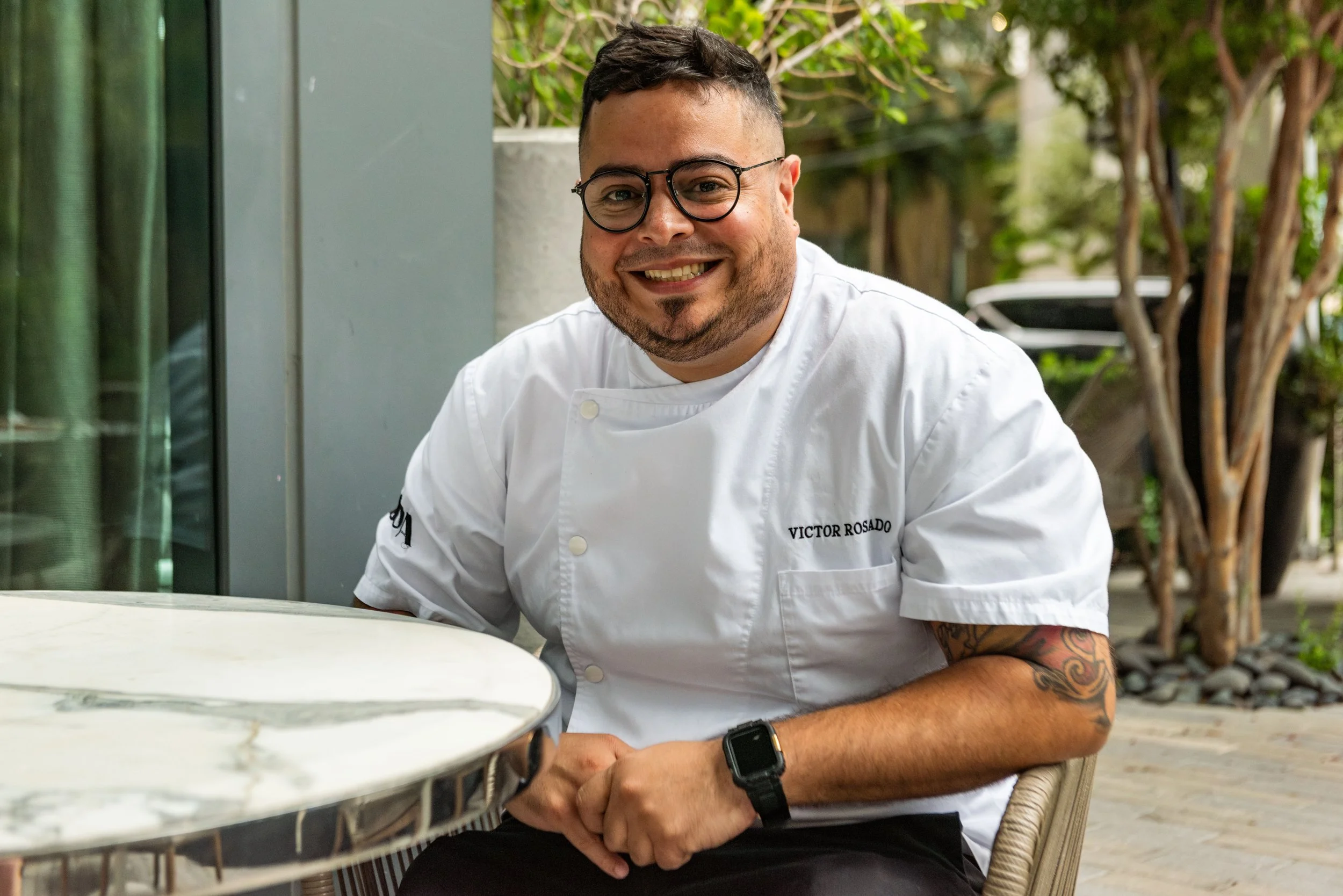
Chef Victor Rosado of AHU|MAR at Dua Miami
Since I arrived in Miami, it’s been an incredible roller coaster of experiences and emotions, all thanks to the diversity of cultures and the vibrant community here. This city has opened my mind to new possibilities, helping me see how food can bring together a variety of traditions. Not every ingredient or dish will naturally combine, but it’s about the challenge of figuring out how to bring everyone together in a way that feels cohesive and respectful. Miami has given me the space to take risks and truly explore the flavors and techniques that define this diverse place.
Chef Harry Coleman of Empanada Harry's and Smoke & Dough
Miami is unlike any other city in the United States. When I visit other countries and people ask me where I am from, I always say Miami—not Florida or even the U.S. This city gives us chefs the opportunity to embrace and merge different cultures together because people here are from so many parts of the world. For example, at our bakery, Empanada Harry’s, people see Argentine empanadas next to Chilean, Venezuelan, Peruvian, and Colombian empanadas. It doesn’t feel weird or gimmicky; it feels like home.
Chef Leicel Ros of Sili
Miami is a place where many travelers come through, whether it’s the destination, a layover, or a stop before a cruise. People here have so much respect for international cuisine since it already houses cuisines from all over South America, Cuba, the Caribbean, Central America, and more. It’s growing and evolving quickly, and you can see the excitement for the growth of cuisine here as well.
Chef Josh Elliott of QP Tapas
Miami has grown so much over my career—the last seven to 10 years especially—for better or for worse. We're still growing, still getting better, and with that the guests are expanding their palates. We get to push a little more at times, and give at times. It's all this living and breathing thing that we have here in the 305. Miami is a wild place full of wild people doing all kinds of wacky stuff, so it just comes naturally to all of us. I blame the heat.