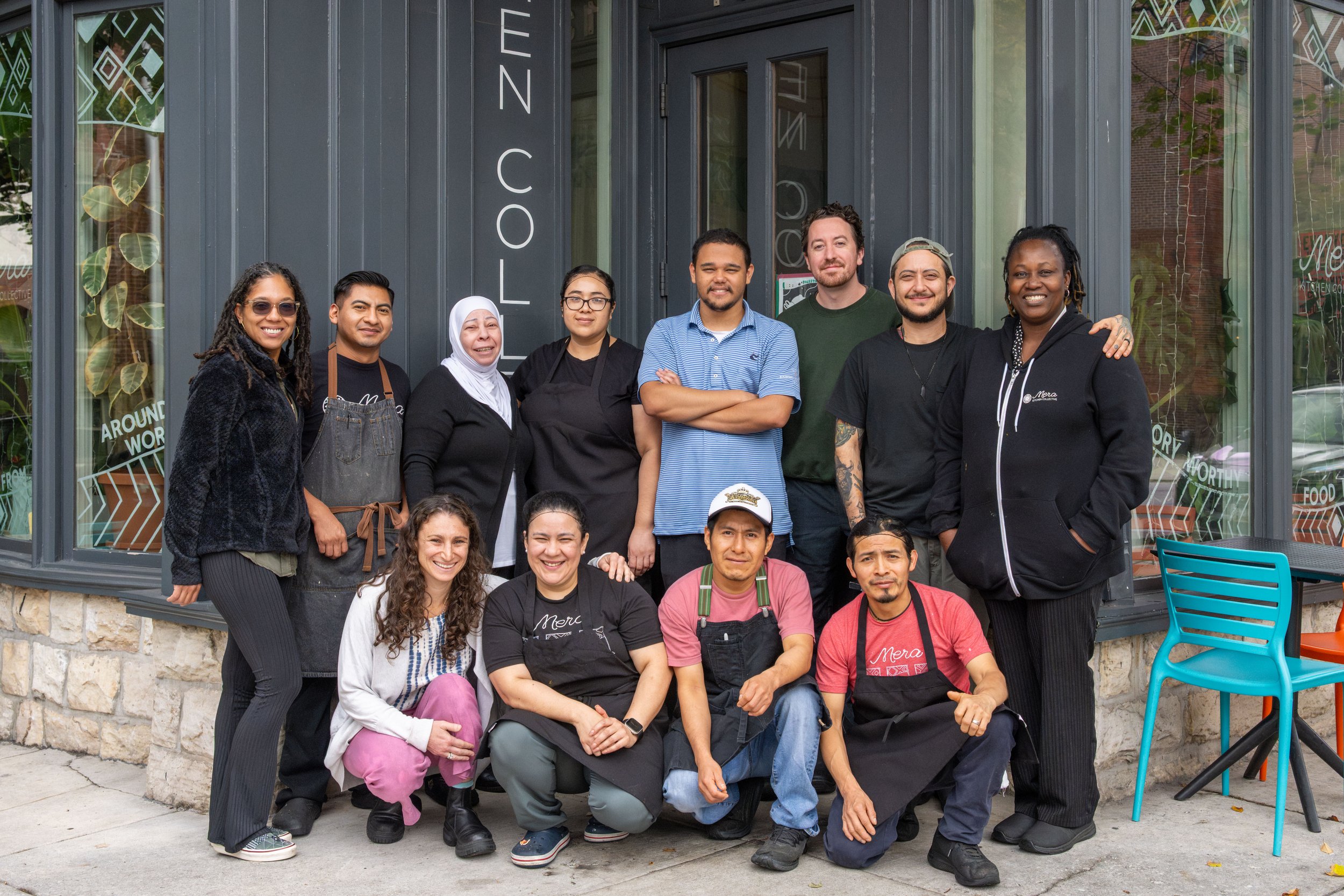
The Motor City Mindset
Community connections are fueling a new generation of hospitality professionals inside and outside of their restaurants.
Over the past few years, Detroit—a city that’s faced seemingly insurmountable challenges for more than five decades—has become a hospitality hotspot thanks, in part, to a new generation of passionate, local, community-minded chefs and restaurateurs.
A wave of urban renewal has also brought new businesses and residents into town. To make sure the city maintains its honest, hardworking, and historic identity as they confront these new changes and an influx of corporate dollars, hospitality professionals are reimagining the positive impact their restaurants can have on their neighborhoods through true revitalization efforts, engaging programming, and collaboration with peers all across the city.
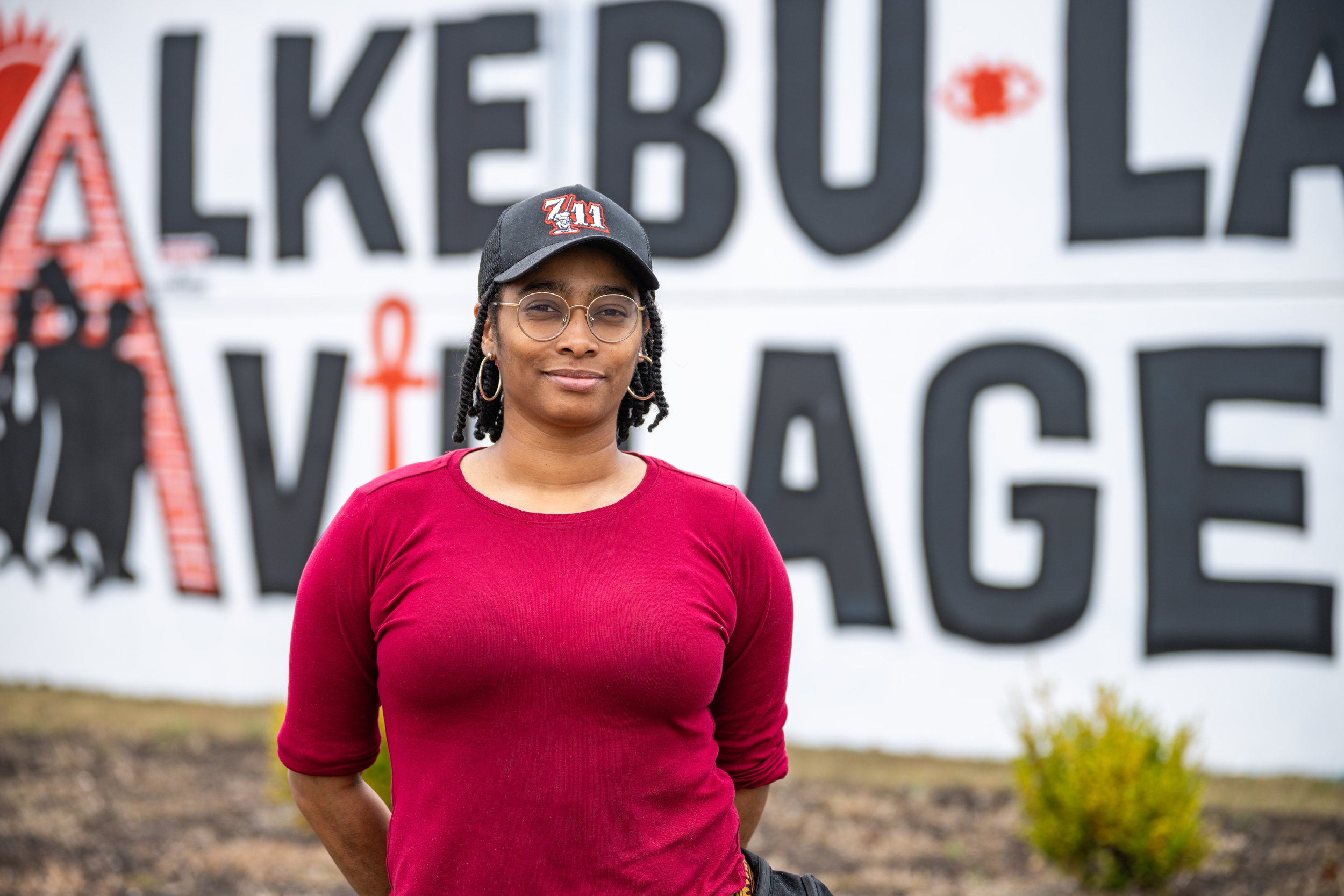
Chef Brittany March of ItsFoodDetroit
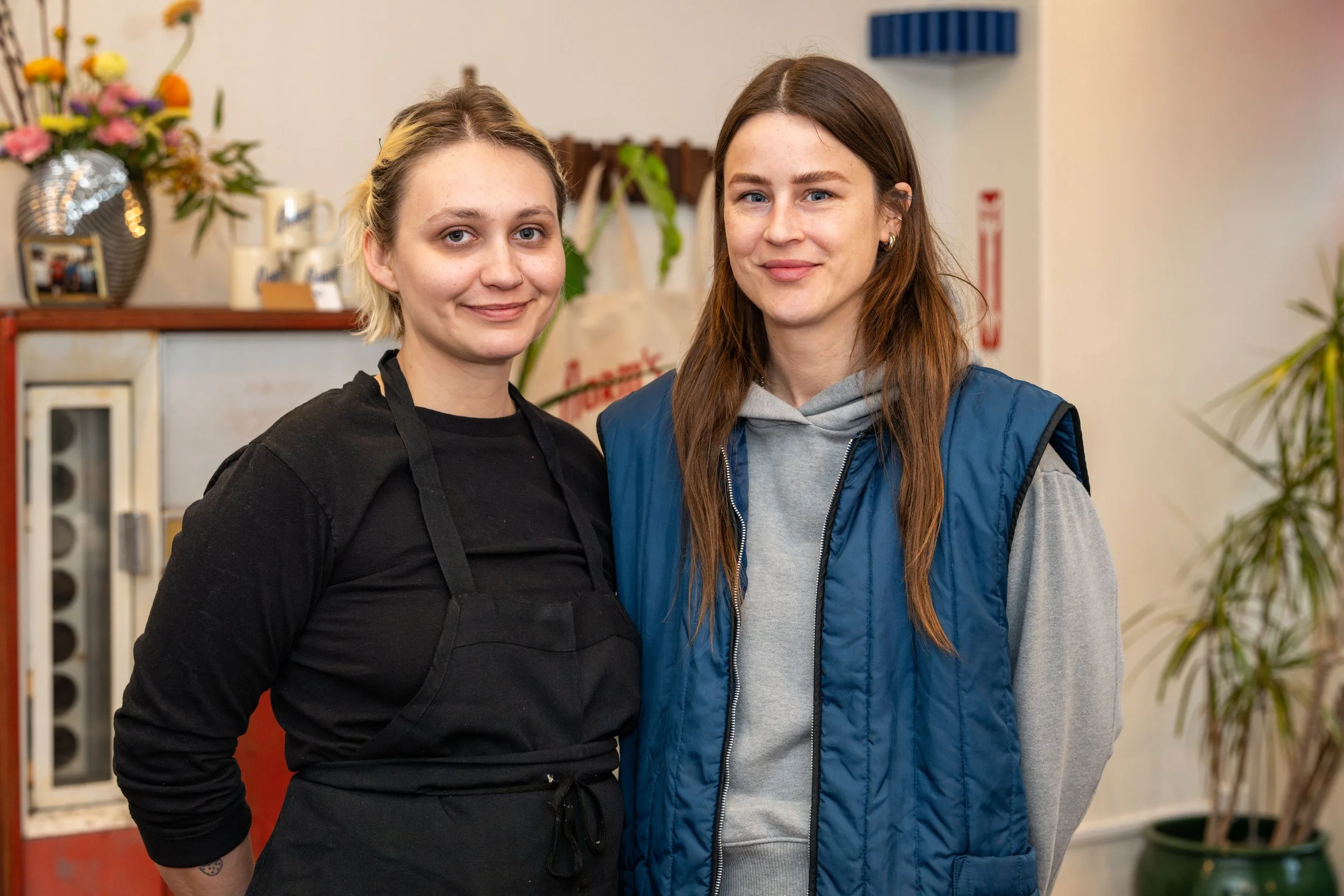
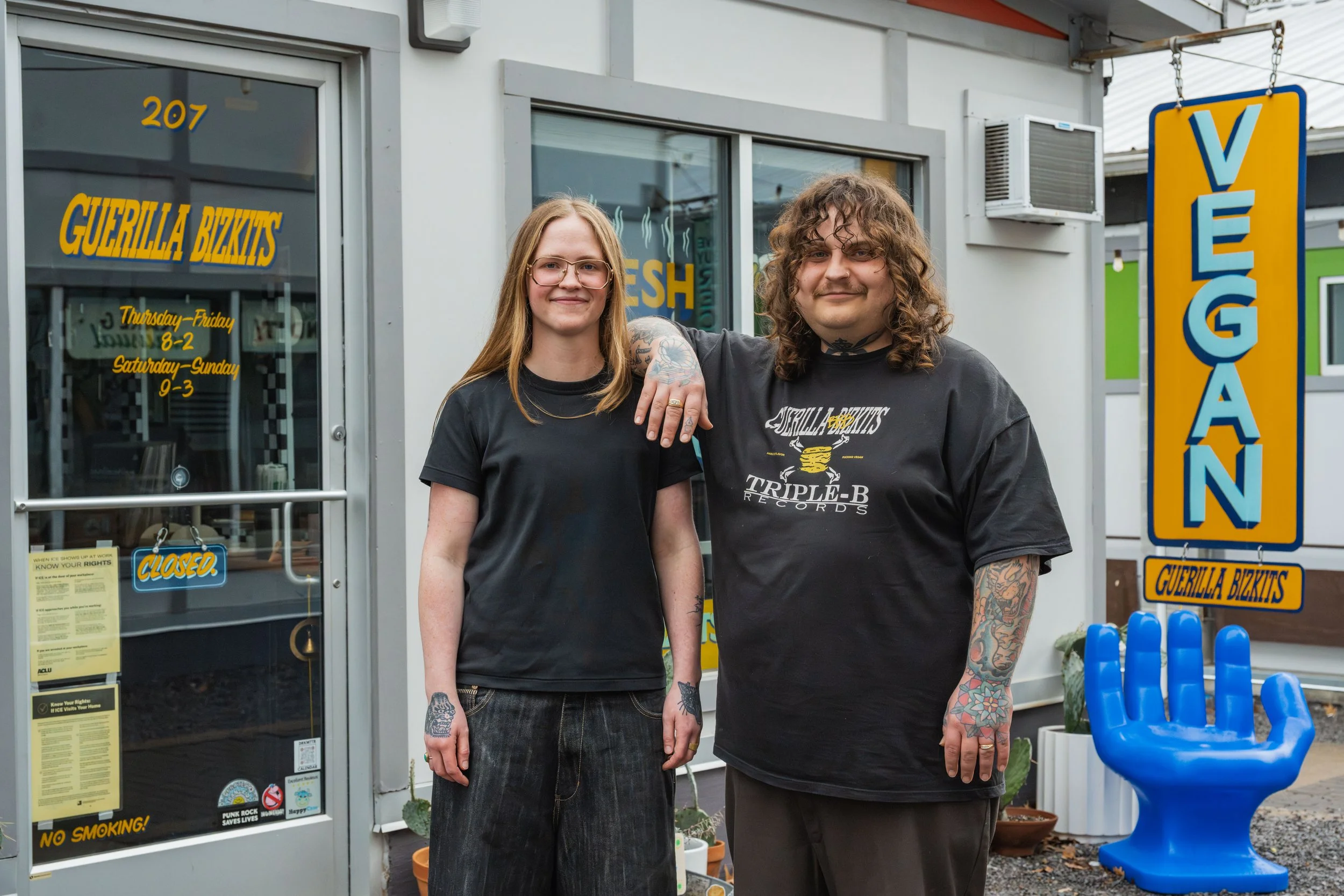
Restaurateur Danielle Norman and Chef Elise Gallant of Norm’s Diner
At the Alkebu-lan Village on Harper Avenue, the former jewelry store-turned community center also offers pizza and plant-based bites thanks to Chef Brittany March of ItsFoodDetroit. Working with the folks at Alkebu-lan, March partnered with Culinary Pleasures—a youth program that teaches students kitchen and life skills—to launch Village Pizza. The weekend residency has not only allowed March to hone in on her craft, but has also sparked another passion in her as well. In a commercial kitchen space, March is answering questions for her young protégés, like “How do you do things [in a kitchen] and run a business?” She is teaching them the back-of-house essentials and “about things like cross-contamination,” she says.
For March, the culinary program has been inspiring and generated some unexpected bonuses for her as an entrepreneur. “They have helped me more than I have helped them,” she says. “I had no idea what I was doing, selling hundreds of pizzas. It was quite a task.” Now, some of her old students have grown up, but still work with March on the weekends. “Some started at 14, now [they are] 17 and 18,” she says. “It's our pizzeria.” The program has become an exciting way for young people to get involved in the kitchen and helped March fine-tune her menu.
A little further south, in Detroit’s West Village, the spirit of revitalization is alive and well. The neighborhood, once a thriving residential stronghold in the early twentieth century, was subjected to neglect as people focused their attention on the more palatial homes in nearby Indian Village. As the years went by, though, residents started to filter back into the area, drawn to the affordable homes, an emerging LGBTQ+ community, and its close proximity to Belle Isle. Among those new residents was Restaurateur Danielle Norman. “The neighborhood is really great,” says Norman. “For a long time people didn't live over here. A ton of the homes were abandoned.” So, years later, when Norman and her partner, Chef Elise Gallant, decided to open their own restaurant, they knew the West Village would be the place to do it.
At Norm’s Diner, Gallant and Norman have added a comfortable, casual space to the neighborhood, but they’re also hoping to make an impact beyond the heartwarming turkey clubs and bankable breakfast sandwiches on the menu. By hosting fundraisers at the diner and donating a portion of their profits from certain dishes to local organizations and individuals, Gallant and Norman are forging bonds with their neighbors, hoping to contribute to an even more vibrant and lively entrepreneurial culture in the area. One way they see this happening is by investing in the neighborhood itself. The first step: sprucing up a park not far from their diner.
“Everyone here has a backyard. They don't meet in these community spaces. And usually on Saturdays and Sundays, we have an hour-plus wait,” says Norman. “No one utilizes that space. So, why not fix the bocce court, fix the furniture, put lights up, and put a water [fountain] in and use it? Instead of them leaving, they will get a bottle of wine [next door] and come back in later.”
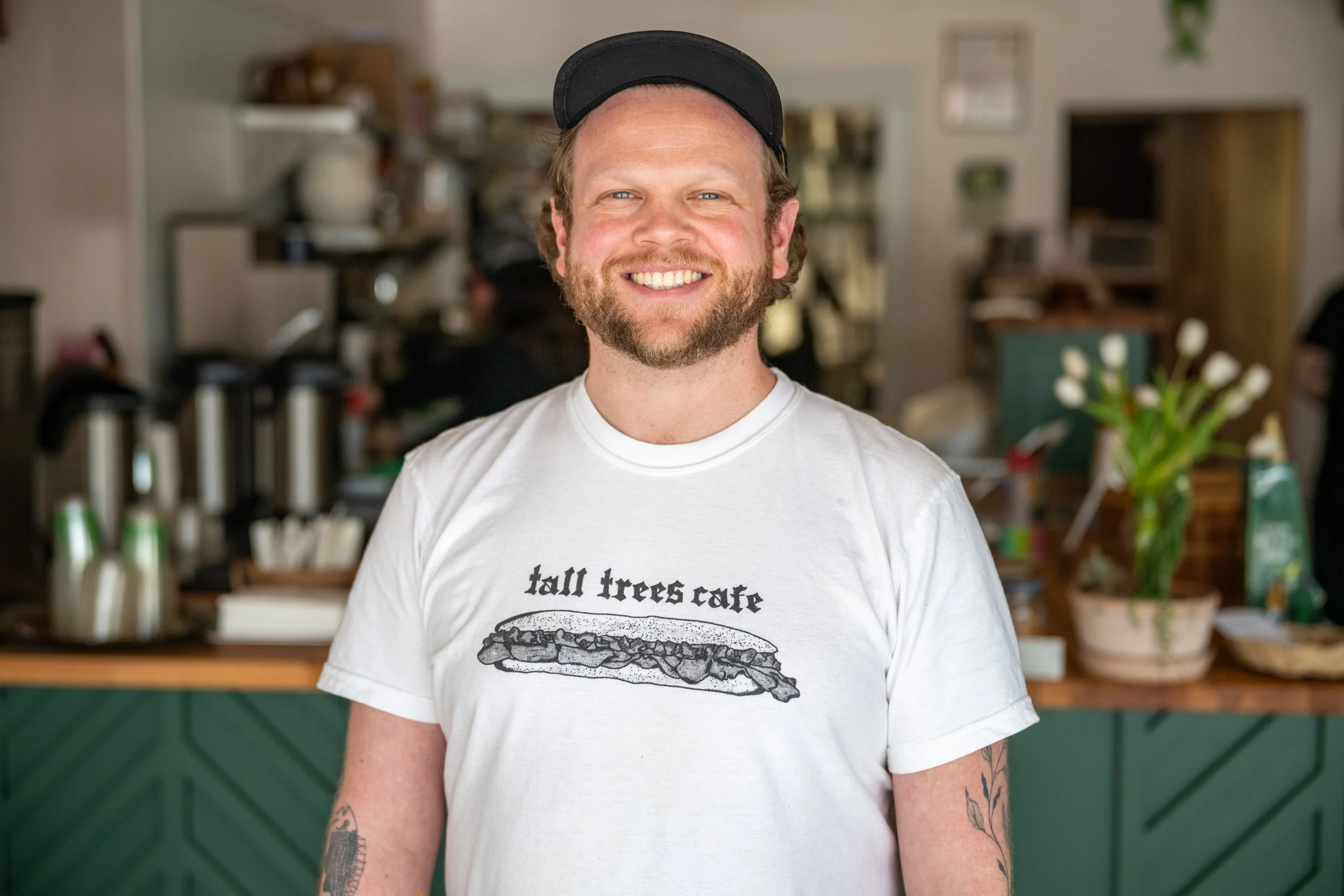
Chef Mike Finsilver
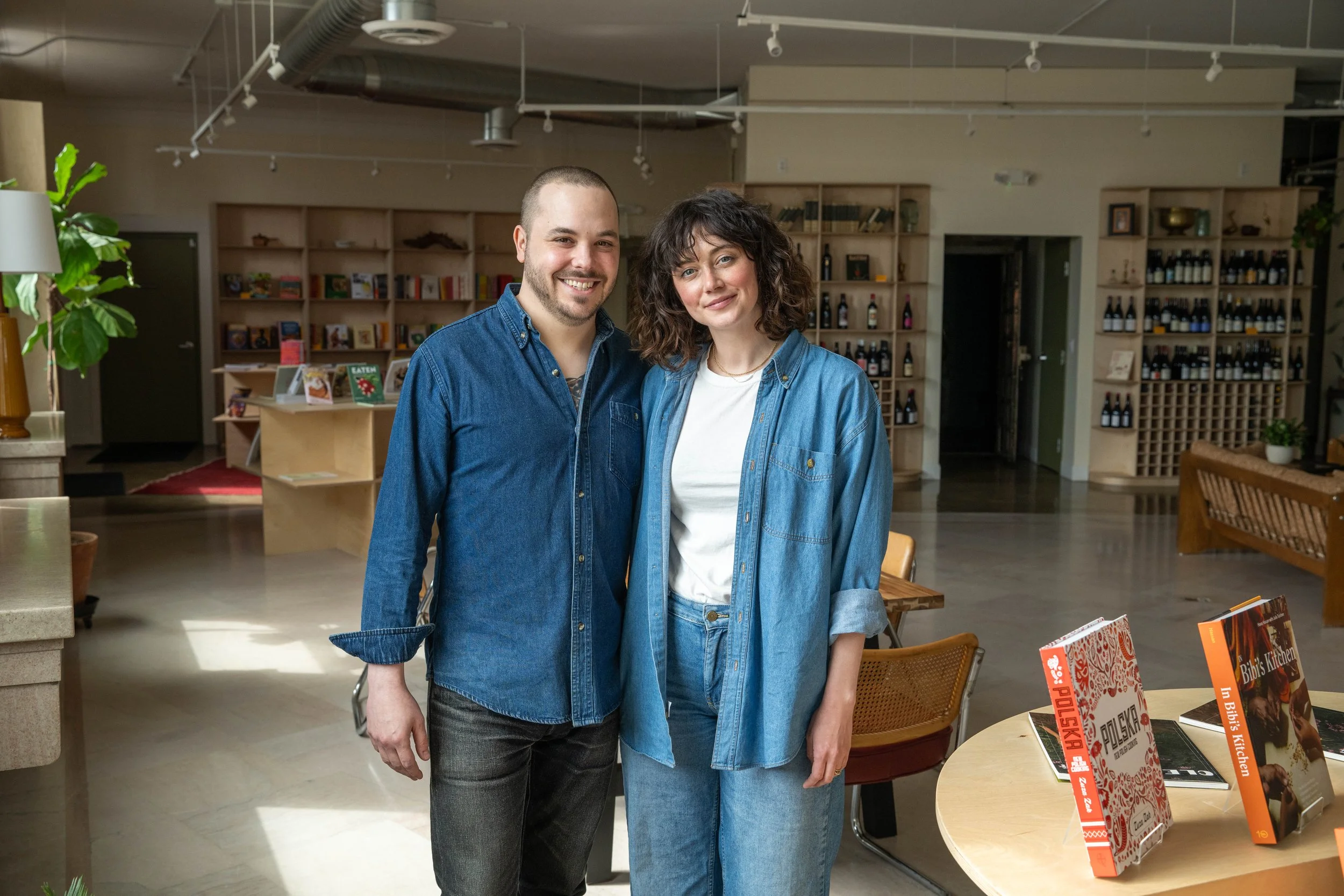
Rob Wilson and Symantha Duggan of Vesper Books and Wine
At Tall Trees Cafe, up in Ferndale, Chef Mike Finsilver is carrying the torch. He has set up shop in a converted office space where a number of other new food and beverage focused businesses have laid roots in the last several years. According to Finsilver, there’s been a “development of reuse. This was all offices and small industrial stuff. Now there's another coffee shop, and apartments across the street; a bakery. It feels like you are within the community and serving the community.”
Owners Rob Wilson and Symantha Duggan operate with a community-minded mentality as well. At Vesper Books & Wine, which you’ll find inside of a former neoclassical 19th-century bank, Wilson and Duggan host a slew of clever, informative events. They’re hosting a diverse range of author events and teaching food preservation classes. The duo also became ambassadors for Make Food Not Waste, a local organization limiting food waste and food insecurity.
To support their peers, Vesper has become a place for industry collaboration—along with a few other spots around town. “We are all tight-knit here. We look out for each other,” says Wilson. That’s led to a number of different pop-ups and events with chefs, bartenders, and restaurateurs all over the city. On St. Patrick’s Day, Wilson joined forces with Finsilver and Owner Carlos Parisi of Aunt Nee’s for a sandwich pop-up at Chef John Yelinek’s Ladder 4 Wine Bar, a restaurant that was once an abandoned fire station, where they sold out of their patty melt reubens.
Wilson and Duggan host a more regular series called Spilling Cups, an industry night celebrating local chefs, bartenders, and winemakers. The first was with Yelinek and featured Parisi behind the stick, whipping up cocktails and pouring wines. “Everyone here knows each other and wants to support and push each other,” says Yelinek. “There is a general sense of when one of us succeeds, we all do. When one of us wins, we all win.”
Parisi, who got his start selling salsas through his company, Aunt Nee’s, at Eastern Market, has become an advocate for this burgeoning and collaborative hospitality scene. In addition to pop-ups and local events, he is responsible for organizing a Sandwich Week every winter and the Detroit Sandwich Party in the summer. The winter event, which runs between Christmas and New Years, highlights a different sandwich in the city each day, driving business and customers to old school haunts as well as the city’s new age gems. The free summer event, held at Eastern Market, welcomed “about 3,000 people and 30 sandwich vendors” this past year, says Parisi. His hope is to use events like these to “keep us driving towards equality and community building. I'm hopeful, overall, that the city will keep being community and small business focused, and driven for us by us.”
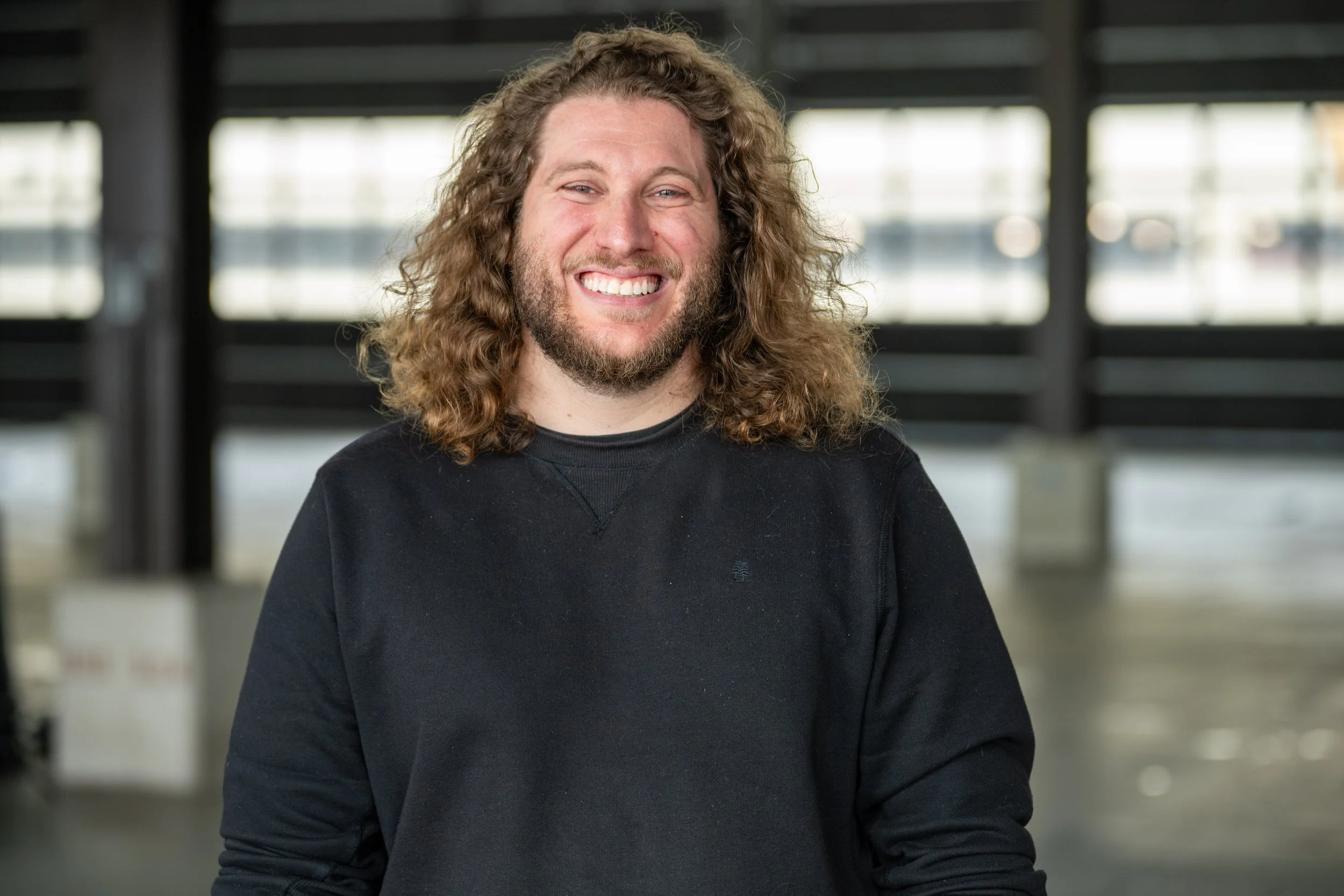
Carlos Parisi of Aunt Nee’s
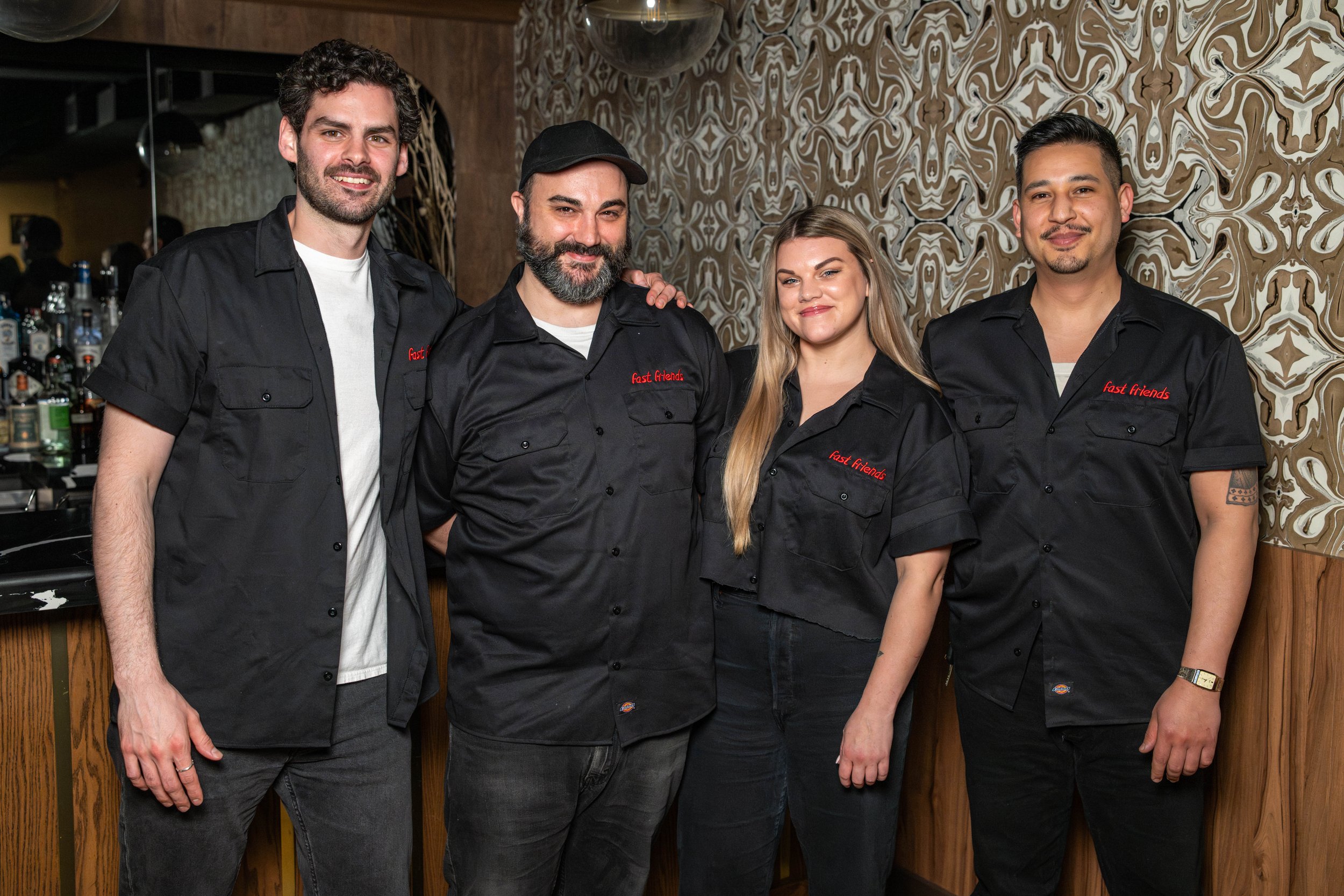
Barenders Allison Everitt, Jonny Brill, Mikey Leonard, and Jimmy Menard of Fast Friends
The concern, though, is that outside money and national hospitality groups may dilute the influence and identity of the city’s restaurants and culinary community. “If we got a lot of different people coming in with thoughts of investment and large-scale plans to create what they want because they see us as a blank canvas, I think that is so wrong,” says Parisi. He believes Detroit, and its restaurant community, should remember the city’s motto: “From the ashes we will rise. We have been a hardworking city. We are put up and thrown back down. But the one thing that remains constant is that the people don't stop. The hustle, the grinding, the belief in each other. It's cool to say that I'm a part of it.”
That supportive spirit is captured through pop-ups like Fast Friends. While honing in on their own concepts and recipes, Bartenders Allison Everitt, Jonny Brill, Mikey Leonard, and Jimmy Menard, who all worked together at Kiesling, are leaning on one another to improve their end results. Their creative cocktails and collaboration, though, ties back to their passion for the city itself, and its growing hospitality community. Detroit is “an attractive place for real estate and people with money,” says Everitt. “You can get a building here so easily, for less money.” Like Parisi, the bartenders at Fast Friends are cautious about what that opportunity for growth might mean for those in the industry. Instead, they are eager to galvanize a locally grown “culture of owner-operators,” says Menard.
For Everitt, and the rest of the team, that doesn’t mean closing the city off to transplants completely. “We want bartenders from New Orleans and New York to come be a part of the scene here. There is a bigger picture, and your dream might be more achievable here than in those other big cities,” she says. The hope is that widespread collaboration and support, as well as a lower barrier to entry, will lure talented, creative, and experienced hospitality professionals to the city. “The whole point is to spur the imagination and show them what is possible,” says Brill.
“The city had 2.5 million people at its peak,” adds Leonard. “We have plenty of room.”