The Champagne Campaign
Sommlier Paulina Schemanski makes a compelling case for a Champagne-centered list.
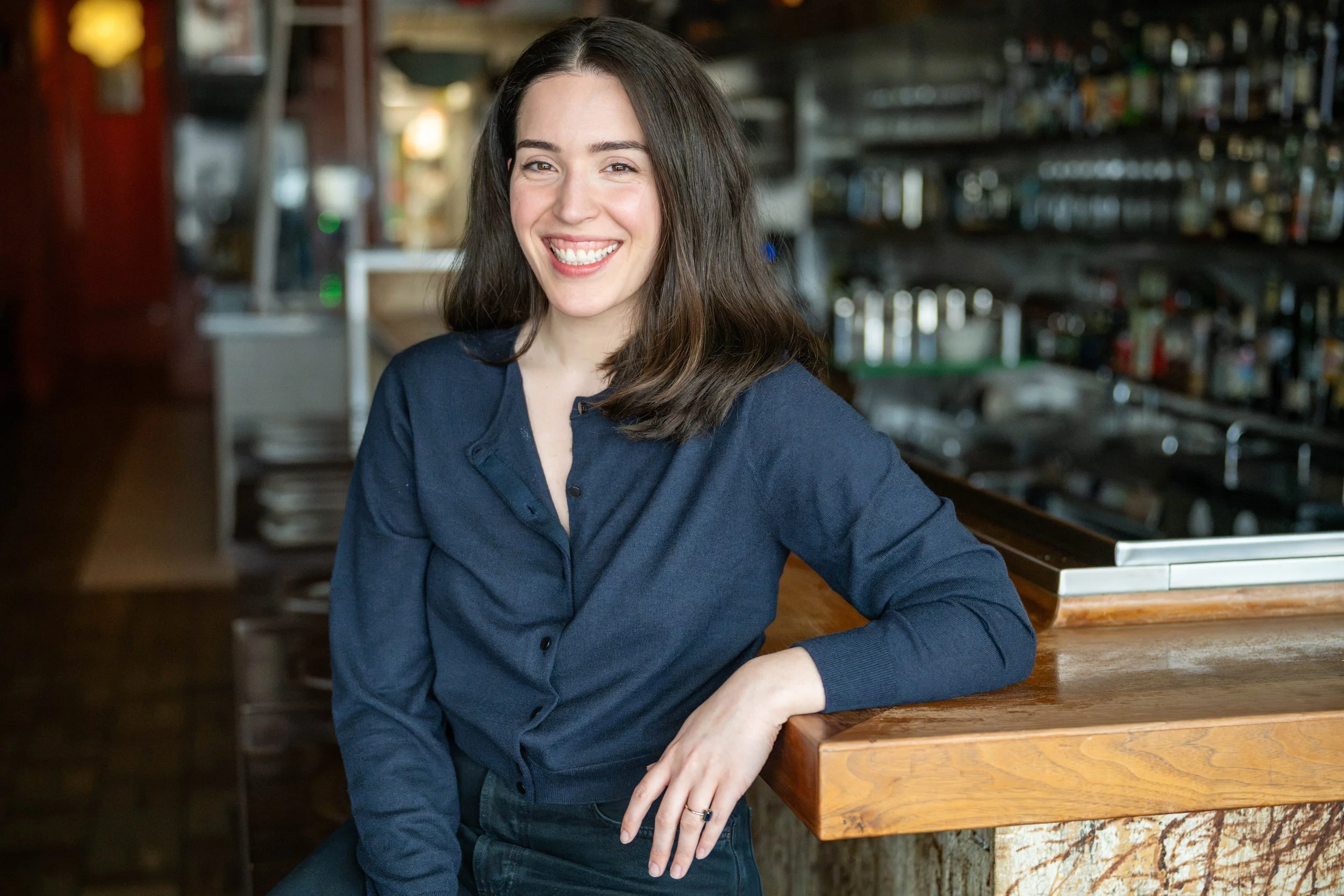
Sommlier Paulina Schemanski of MaBel GRAy | Photos: Aelxander Zeren
I was a Mabel Gray regular before joining the team in February 2019. As a young server waiting tables in a bistro that thrived on consistency, Chef James Rigato’s ever-changing “punk rock culinary art gallery” concept was the stuff of dreams.
Mabel’s menu changes with the passions of its stewards—if the cooks are excited about Italian-American cuisine, we run a red sauce menu for a month. We go fully vegan every August. Some weeks, we forego our tasting menu option and serve only burgers. Every dish at Mabel is turned all the way up—almost too spicy, almost too salty. We like to learn new things, going down the rabbit hole and never coming out.
Change is inevitable, and we embrace it with a curious enthusiasm; the wine program is no exception. The Mabel sommeliers before me gifted a wine philosophy that evolved as often as the menu. You have to stock the wines you love and trust the right dish will come. Because of this, it's no surprise that Champagne has always been a constant on Mabel’s by the glass list.
Champagne is one of the most complex beverages on Earth, and therefore has an infinite number of levers that can be pulled to change the final result. And, if you ask me, it’s also the most food-friendly. The more I leaned on Champagne as a pairing with our tasting menu, the more I learned about this infinitely-variable, double-fermented, cellar-manipulated wine. It’s all I wanted to drink or discuss. So, we went to Champagne for more insight and a gut check.
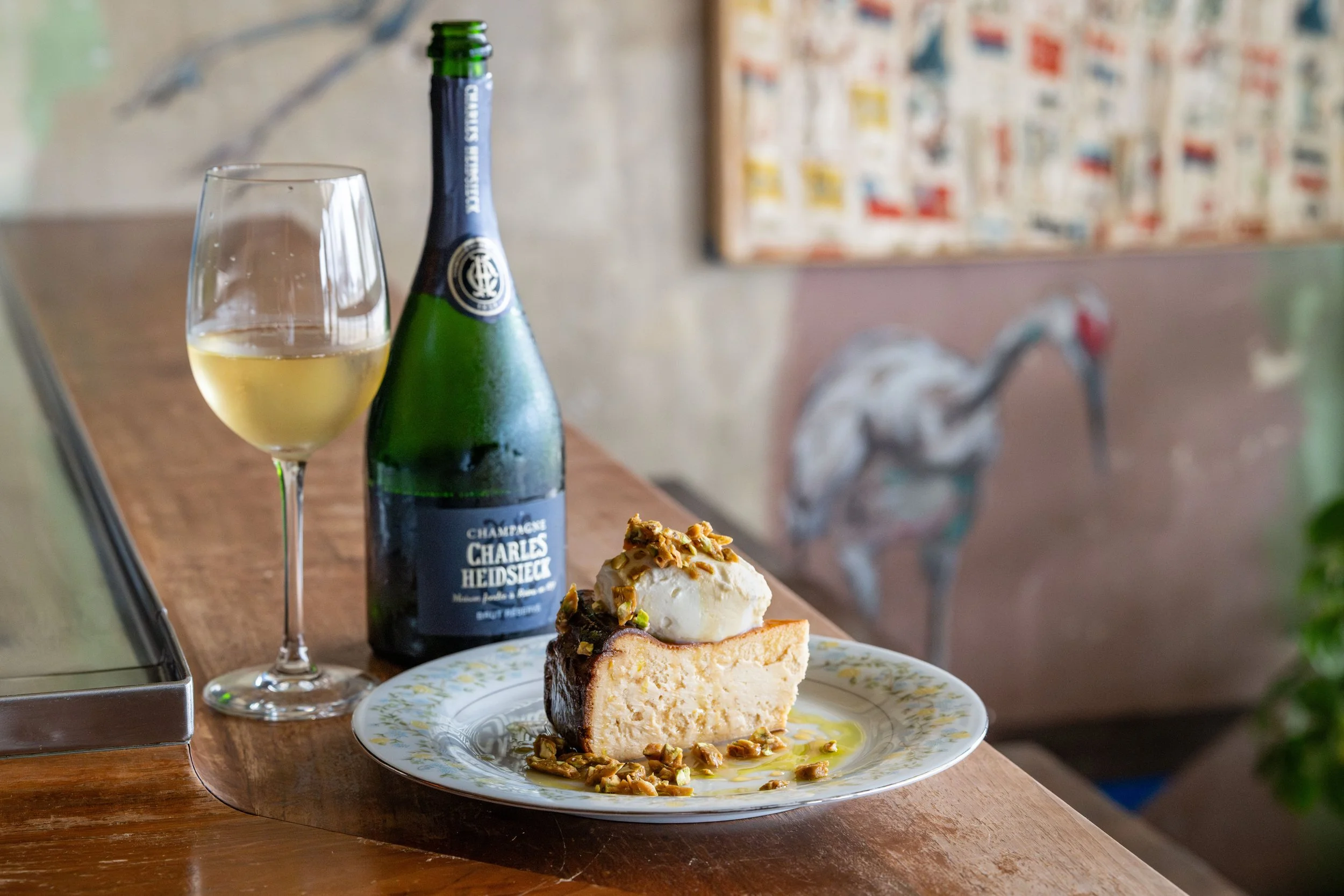
Basque Cheesecake, Pistachio Brittle, Cardamom Whipped Cream, Burnt Honey paired with Pinot Noir/Chardonnay/Meunier, Charles Heidsieck, Brut Réserve, Champagne, France, NV
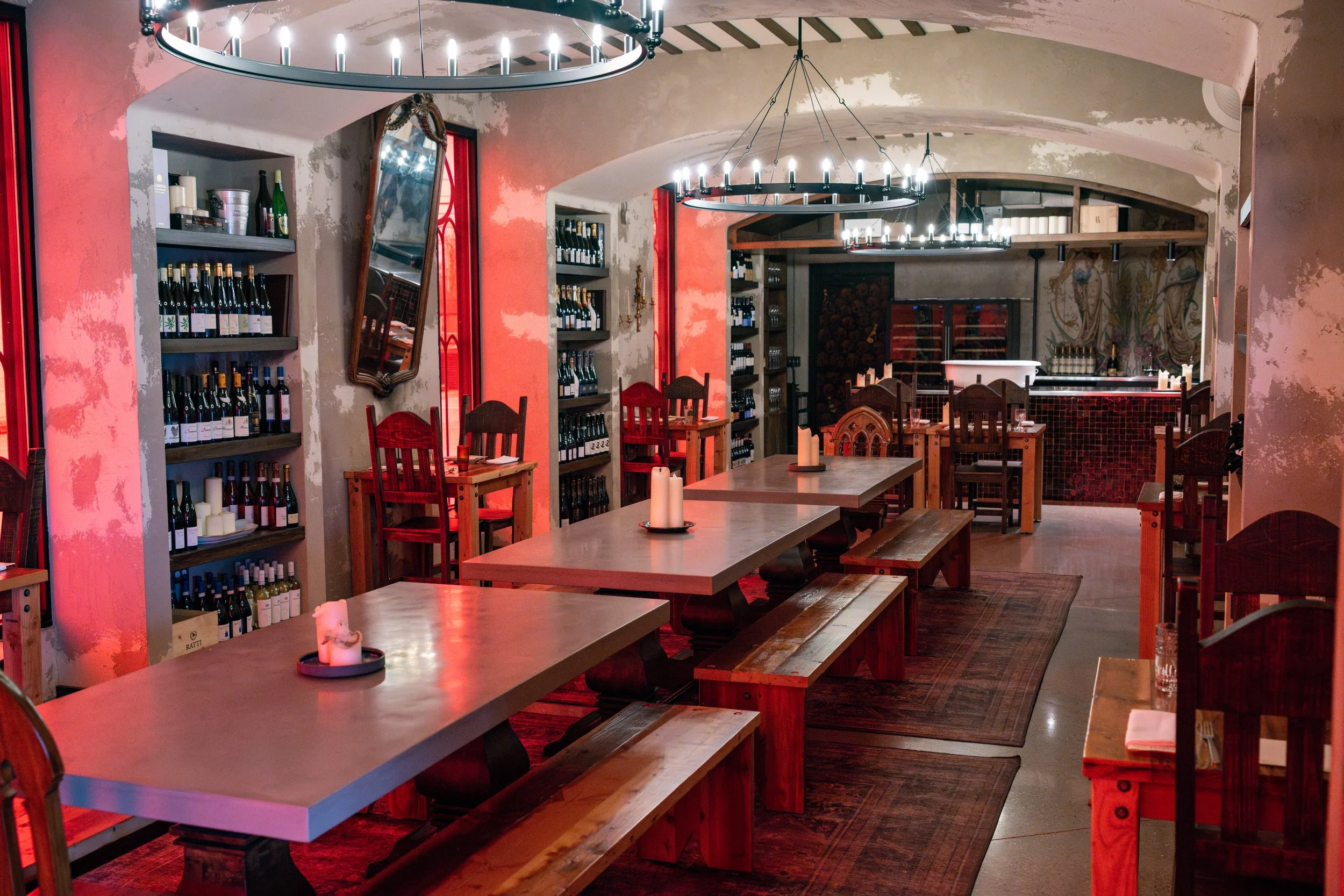
Interior of Mabgel Gray
Despite the beverage’s centuries-old marketing campaign lauding opulence, the region is humbly pastoral. The area has been war-torn and challenged for most of its history, using marketing and creative fermentation practices to make the most of its difficult climate and geographic location. Champagne is wine, and it should be analyzed and appreciated as such. I know that my peers in the wine world geek out about Champagne, but why doesn’t the guest? Restaurants avoid serving true Champagne by the glass because it can be expensive and often goes to waste. All sparkling wines are now lumped into the same category, and the word ‘Champagne’ is a catch-all. Why is it flaunted and chugged before the ‘real wine’ is served? I wanted to know more. So, I launched the Mabel Gray Champagne Society, a free bi-monthly newsletter, in 2023 to engage with any guests that wanted to learn along with me. We host public blind tasting events where we discuss the Champagne method, the countless styles of the region, and how it’s changing due to climate and consumer tastes. I feature the Grande Marques and grower producers with equal fervor. Earnest excitement is contagious: the Champagne Society newsletter now has over 2,000 followers, we have 95+ labels of Champagne on our list, and I’m planning my fifth trip to Champagne in 2026
For me, understanding Champagne as a region and beverage is a life-long academic pursuit. In a landscape awash with natural wine bars, we’ve chosen to champion a beverage that is heavily influenced by human touch—a beverage that can be expensive, shrouded in mystery, and branded for the elite. This focus is risky and must be ushered in with relentlessly genuine Midwestern hospitality. The wine industry is built on intellectual gatekeeping. In this ‘Information Age’ and AI-integrated future, that fortress becomes more penetrable. Change is coming. Flexibility can be radical. An unpretentious, welcoming attitude makes it bearable. Ask questions, get things wrong, drink Champagne on a weekday, and cheers to all the things we don’t yet know.