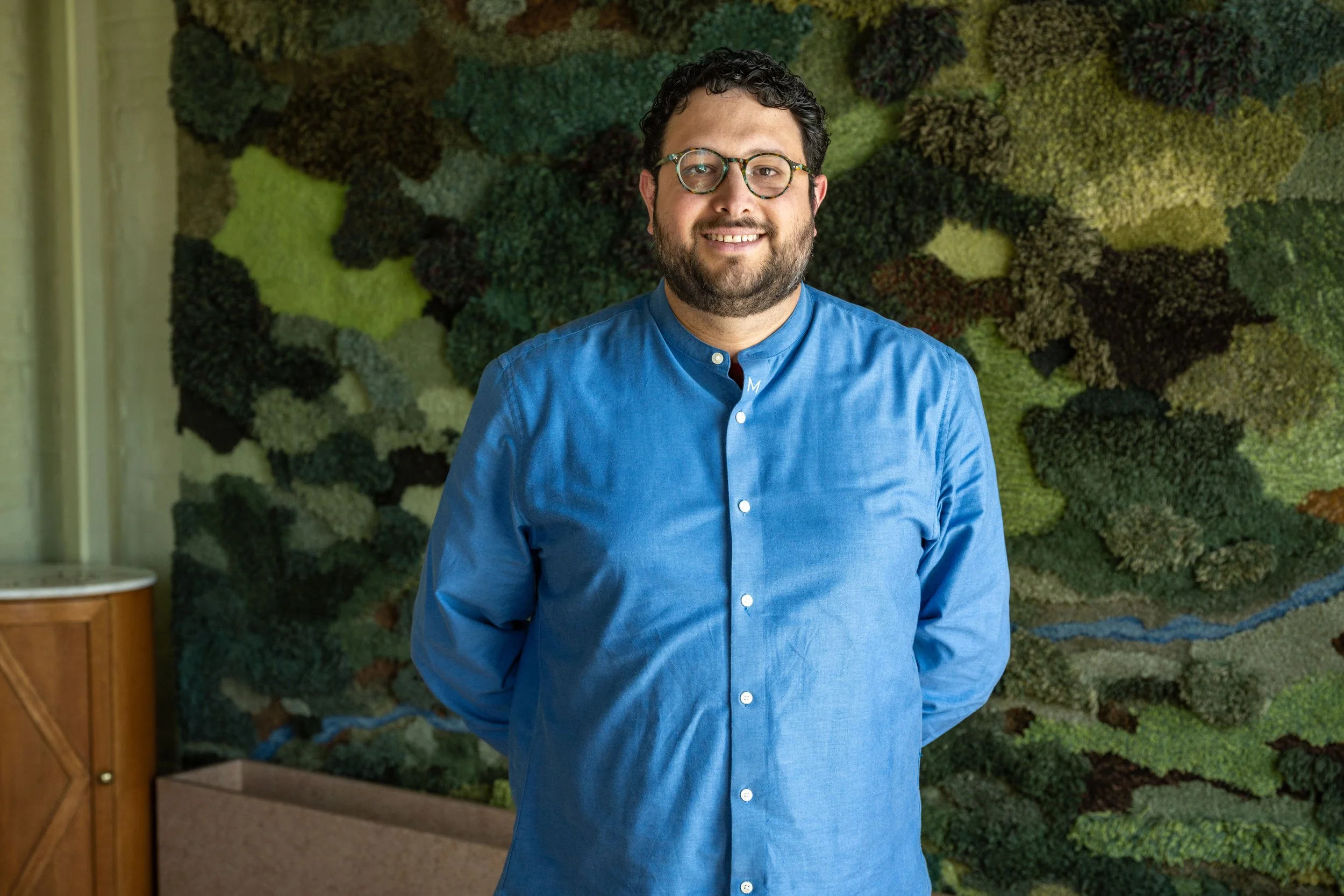
Chef Seth Fatah keeps it funky with fermented flavors at the modern Asian restaurant.
Photos: Will BLunt
The most interesting things in food happen right beneath our noses—often out of necessity alone. At least, that’s the case for Chef Seth Fatah’s koji steak at Kaori, a modern Asian restaurant surveying the myriad flavors and techniques of the continent using seasonal ingredients from South Florida. Much of the inspiration for the steak dish—and others—came from Fatah’s home country of Malaysia.
“We have a lot of fermentation involved in [Malaysian] food because some of us can’t afford refrigerators,” Fatah says. “The food that we're trying to create in Kaori is Pan Asian, and it's all based on my experiences and memories from when I was a child.”
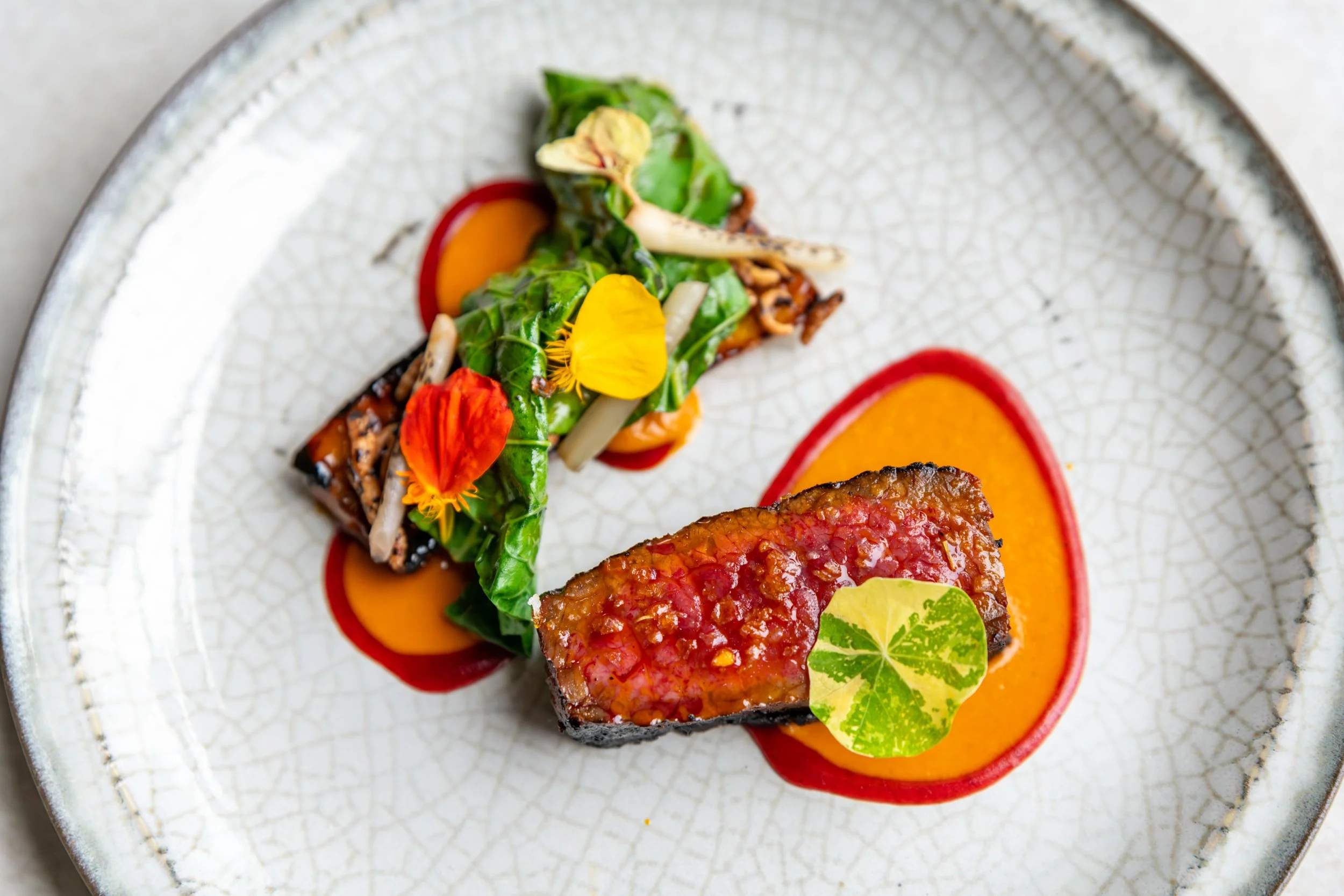
He starts with the steak itself: a cut of strip loin, which he chose because of how tender and easy to butcher it is. That well-marbled juiciness is made even more malleable by shio koji. The beef is marinated in the shio for a minimum of three hours before getting brushed with guajillo oil and togarashi, and grilled to rare.
“Koji has enzymes that break down the proteins in the meat,” Fatah says. “It makes it super tender and adds that sweet, savory note to it at the end. And also, the sugar from the koji develops an amazing crust.”
Fatah doubles down on the funk with the steak sauce. “[In Malaysia,] we do a lot of fermentation with red peppers and stuff, and we call it sambal at home,” Fatah says. “We make a kind of burnt pepper velouté, and incorporate the fermented sambal into the velouté.”

Chef Seth Fatah

Strip Loin, Shiro Miso-Glazed Plantains, Fermented Sambal, Spiced Cranberry Gel, Smoky Collard Greens, Puffed Rice, Pickled Ramps, Nasturtium
The interplay between the creamy velouté and piquant sambal yields a striking orange color on the plate in what is, perhaps, the Malay answer to sauce au poivre. It’s also Fatah’s favorite part of the dish. “I love how it's so well-balanced,” he says. “It has acidity, it has spice, it has texture from the cream. It has a slight sweetness that cuts through the spiciness.”
Surrounding the peppery velouté is the necessary complement to all the fiery components of the dish: a seasonal berry gel, infused with Sichuan pepper, star anise, cinnamon, and cloves. This past fall and winter, Fatah used cranberries.
“I love to have a sweet and savory touch to almost every dish on the menu,” Fatah says. “I think it's very playful.”
Shiro miso-vanilla glazed plantains—referencing both Miami and Malaysia—are grilled robatayaki-style over live fire alongside Florida collard greens and bring some extra sweetness and umami to the dish. Both the plantains and collards get lacquered in a smoky oil and kissed on the grill—just enough to express their natural sweetness while maintaining their structural integrity on the plate.
The finishing touches for the steak come in the form of pickled ramps from last season and a couple multicolored nasturtium leaves for visual contrast, effectively tying together a technically and aesthetically deft dish.