At Last Rites, housemade wines, vermouths, and syrups walk hand-in-hand with lively, thoughtfully sourced spirits.
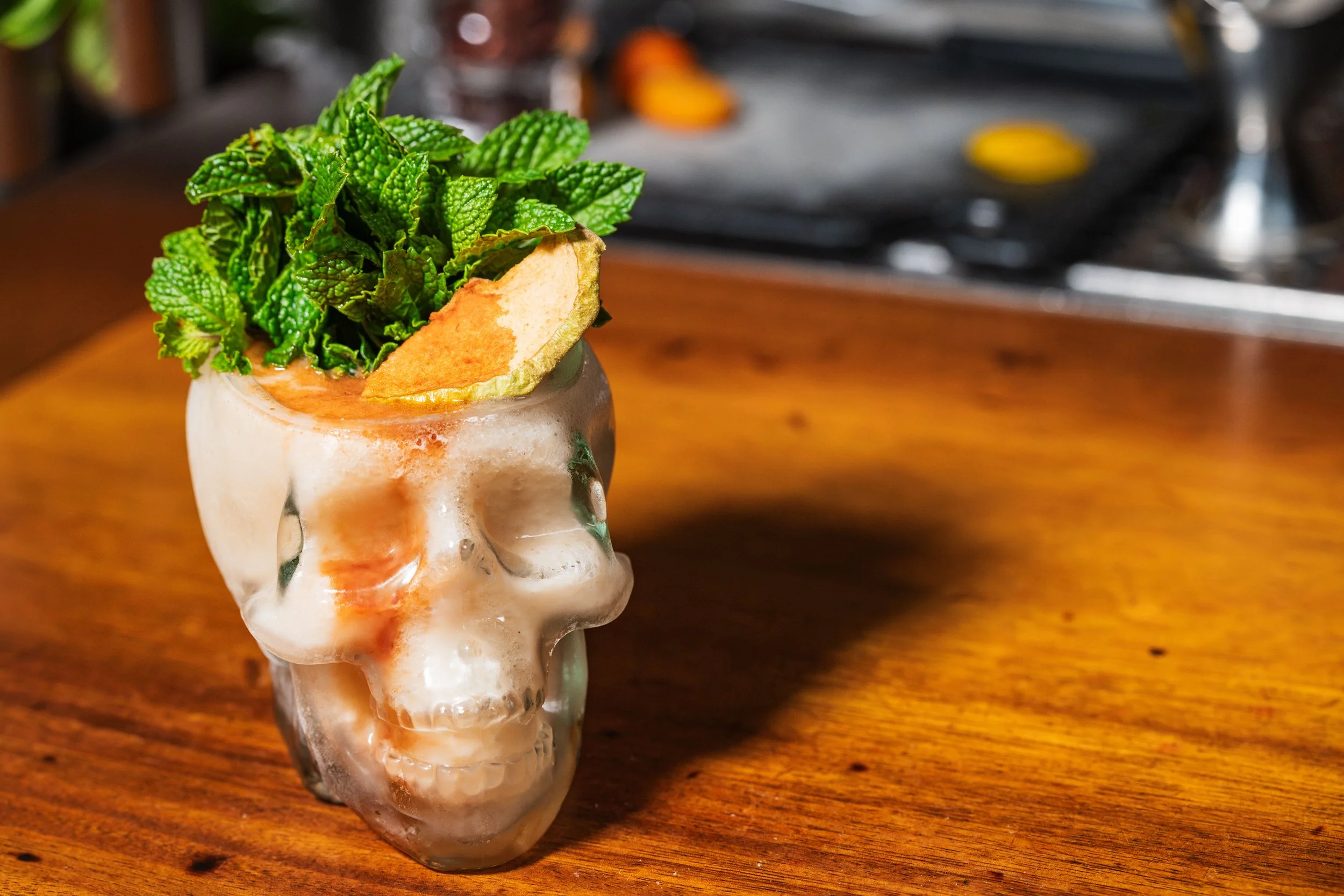
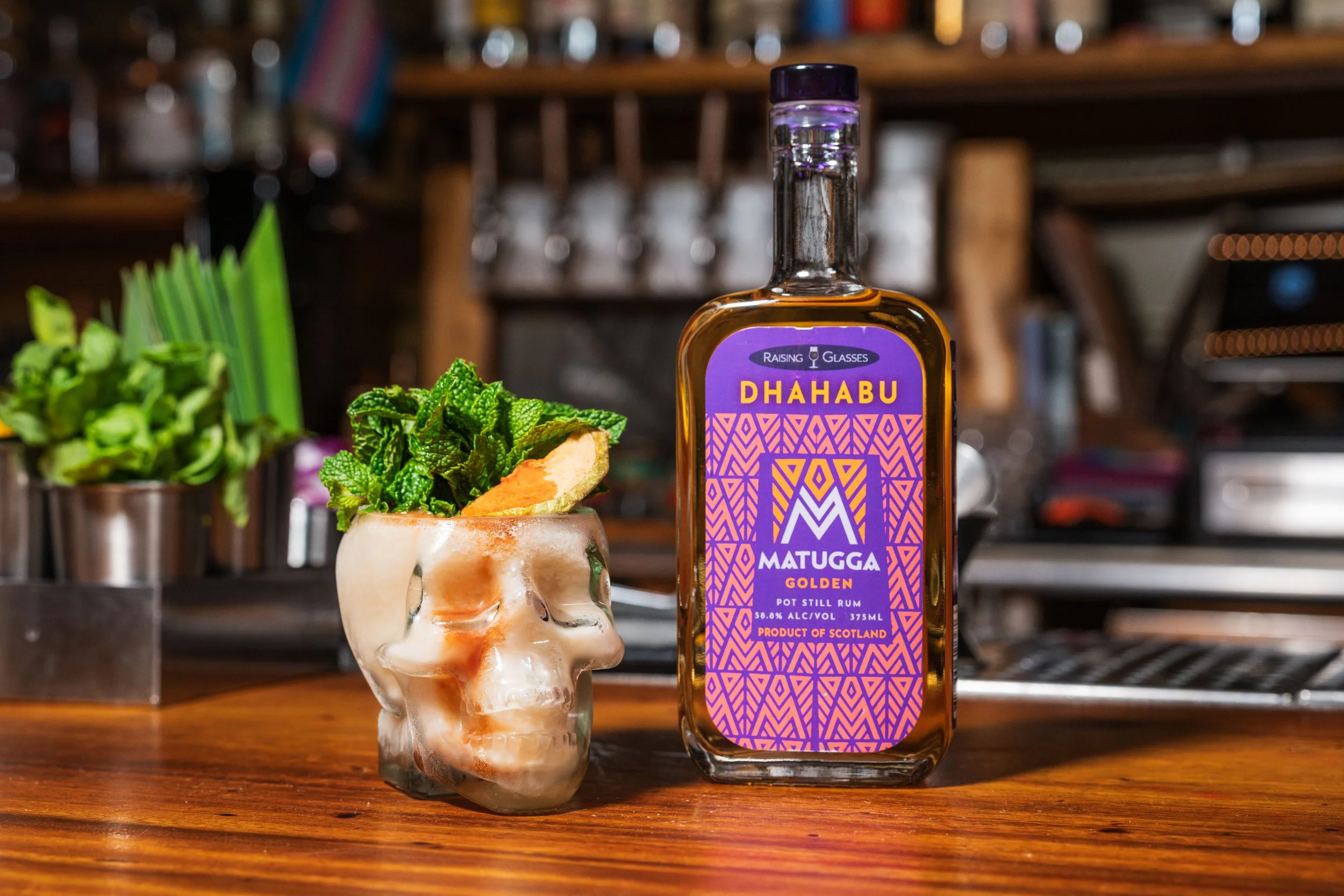
Memorial Field: Rum, Scotch, Apple-Pear Wine, Apple-Pear Musk, Vanilla-Anise Syrup, Cacao-Infused Angostura Bitters, Dehydrated Apple, Mint |. Photos: Alexander Zeren
Bartender Gabriel Chavez took over the program at Last Rites, a self-styled “adventure” bar with tiki influence and a punk attitude, three years ago. The first order of business: restructuring the backbar to support responsible producers, ideally those who care about the people they employ and the land that grows their resources. “Alcohol is an agricultural product first and foremost,” says Chavez.
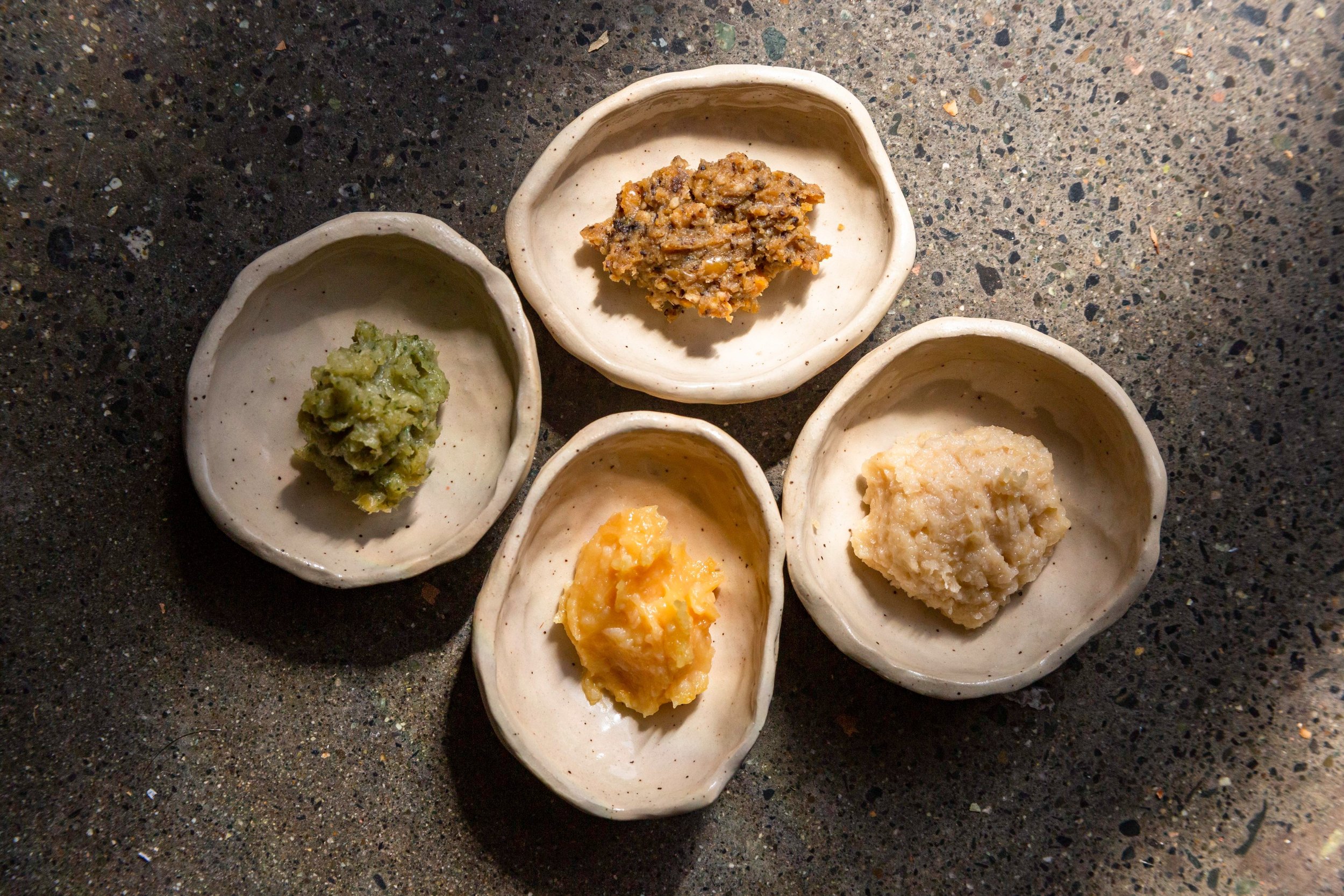
To pair with those thoughtfully curated spirits, Chavez applies his experience working with fermentation as a chef to ingredients both foraged and farmed, creating syrups, wines, and vermouths for Last Rites’ cocktails. Think kumquat wine turned into a fortified wine-yeast soda (as in the Western Haiku cocktail) and gooseberry-bergamot-tarragon vermouth deployed with gin and sotol in the Anaconda Sniper martini riff.
Chavez started with cheong, the Korean syrup of macerated fruit and sugar. Time and fermentation do the heavy lifting in his projects, creating layers of flavor and expressing each ingredient to its fullest. “It became an ethos of how we approached the program here,” he says. “Hands off, let nature speak for itself, let time speak for itself. You really get to the heart of what you’re using.”
Manipulating the amount of fruit or sugar led to more intense fermentation. “Essentially I was making low [ABV] wines at that point.” Further tinkering led Chavez to three pathways to making in-house ferments: dry natural wine, meant to be served by the glass or in cocktails; vermouth, fortified with a neutral or infused spirit and flavored with teas, herbs, or bittering agents; and a heavy style, with lots of fruit and sugar, in “a really slow-moving process, so there’s a lot of depth created.”
When building cocktails, Chavez seeks to contextualize globally sourced spirits with locally produced ferments. The Lefty cocktail, for example, highlights pine-growing regions—including the East Bay (where he foraged the pine cones for the pine wine syrup), Oaxaca (the source of two rums), and the Sierras (the sotol). “If you follow that agricultural throughline, you really don’t have to do a lot of heavy lifting when it comes to pairing things together,” he says. “Each of these spirits is specifically chosen because there’s something connective with our fermented ingredient, akin to the spirit itself.”
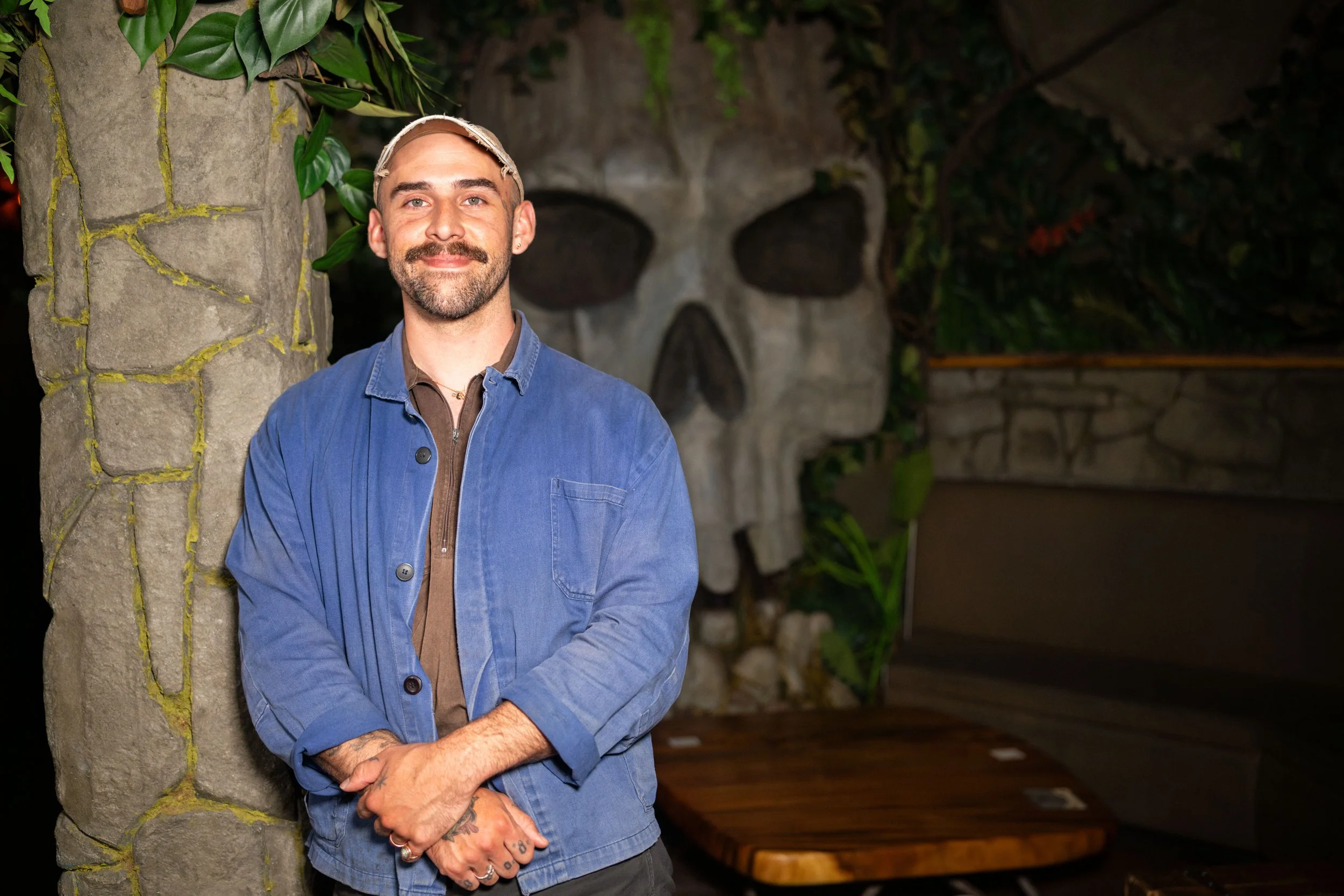
Bartender Gabriel Chavez of Last Rites

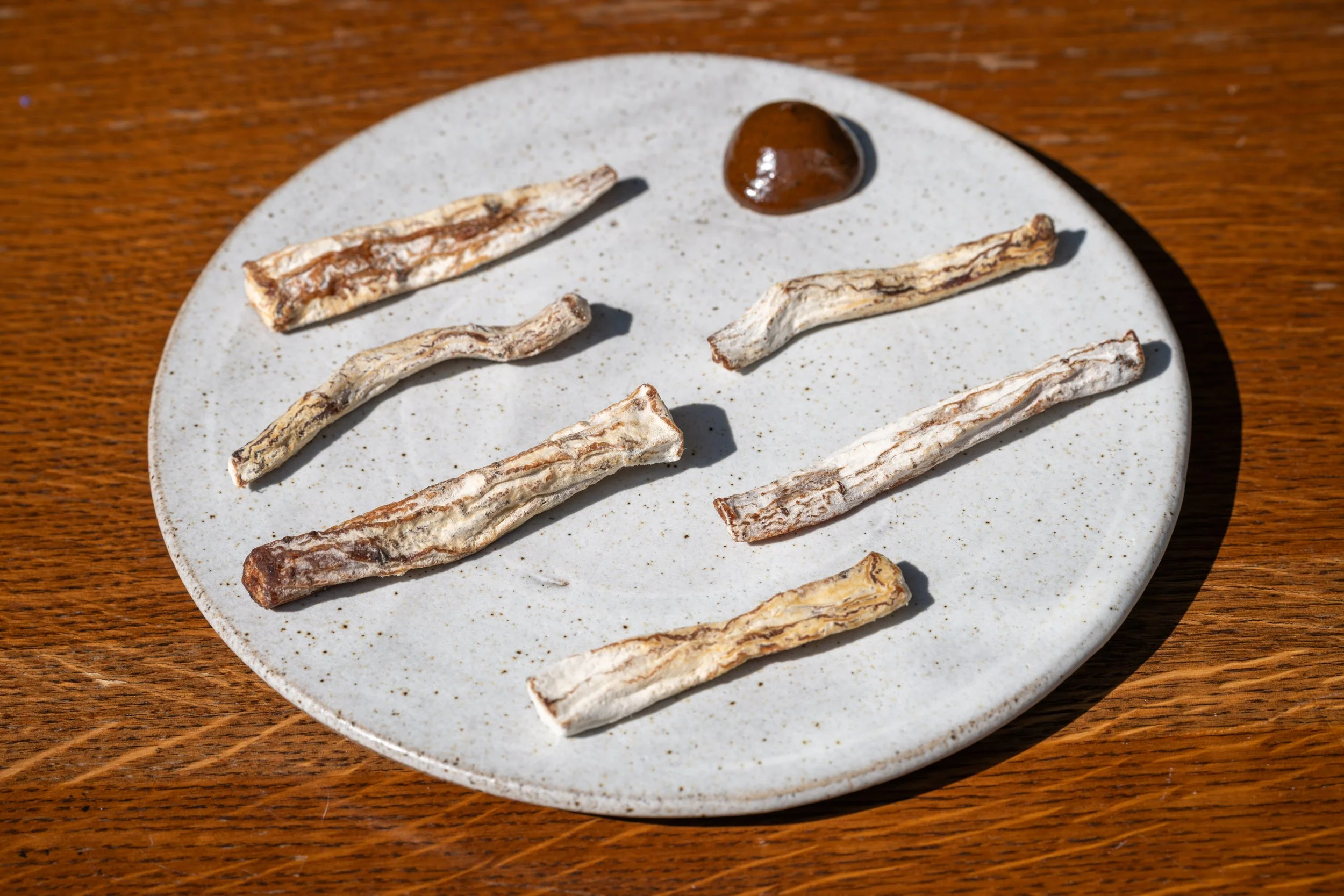
Western Haiku: Force Carbonated Sotol, Peach Liqueur, Pomegranate Spirit, Fortified Kumquat Wine Yeast, Kumquat, Dried Pomegranates, Banana Flower
That pine wine syrup, made from green pine cones packed with unrefined sugar, was aged for nearly two years. “You have to watch it and stir it every day to keep molds from growing, but eventually, the sugar will pull out moisture and all the water will come out and make a dense syrup,” says Chavez, at which point the brix are low enough to allow for fermentation. “It’s gone through alcohol production, and then it’s oxidized and vinegared slightly.” No alcohol remains—just bright acid notes. He then adds leftover apple and pear solids from an apple-pear wine, plus bittering agents. “So it’s a ‘pine-apple’ syrup,” he says, in effect an amaro, making the Lefty drink like an amaro daiquiri.
The apple-pear wine, Chavez’s first attempt at apple wine, was fermented for about four weeks with both skin and fruit. When making natural wine, too much oxygen can lead them to vinegar early, which happened with about half of these bottles. “I treat those like they’re an acidified juice almost,” says Chavez. So, while they maintain a bit of alcohol, they lend a strong hit of acid to Chavez’s Memorial Field cocktail. The apple-pear solids simmer with vanilla-anise syrup until they reduce to the thickness of coconut cream. With a peaty scotch and Jamaican-style rum that is distilled in Scotland—which itself smells like pears—the Memorial Field brings to mind a piña colada, but without the coconut.
“The whole point of this bar was to be on the fringes and be kind of punk, but it’s not actually a tiki bar, canonically speaking,” says Chavez. Half the menu features classics, while the other half hones in on the house ferments. All the drinks reflect something tropical or mysterious, nodding to the history of tiki culture in a respectful way. “I’m just pulling that [influence] in a way that’s a little more intentional.”
Since in-house ferments make up the bulk of the drinks—and because Chavez doesn’t “believe in outpricing my neighborhood”—cocktails stay at $16.
The backbar changes constantly, giving Chavez and the team a chance to educate guests. “There might not be every single thing from a country, because I don’t really believe in that,” he says. “We’re going to have something delicious that fits what you are looking for in a beverage, but that’s for us to know and for you to be here to try.”