Navigating The New Nashville
As Nashville continues to mature into a dynamic food city, local operators harness the incoming tide of new patrons while preserving the city’s character and community.
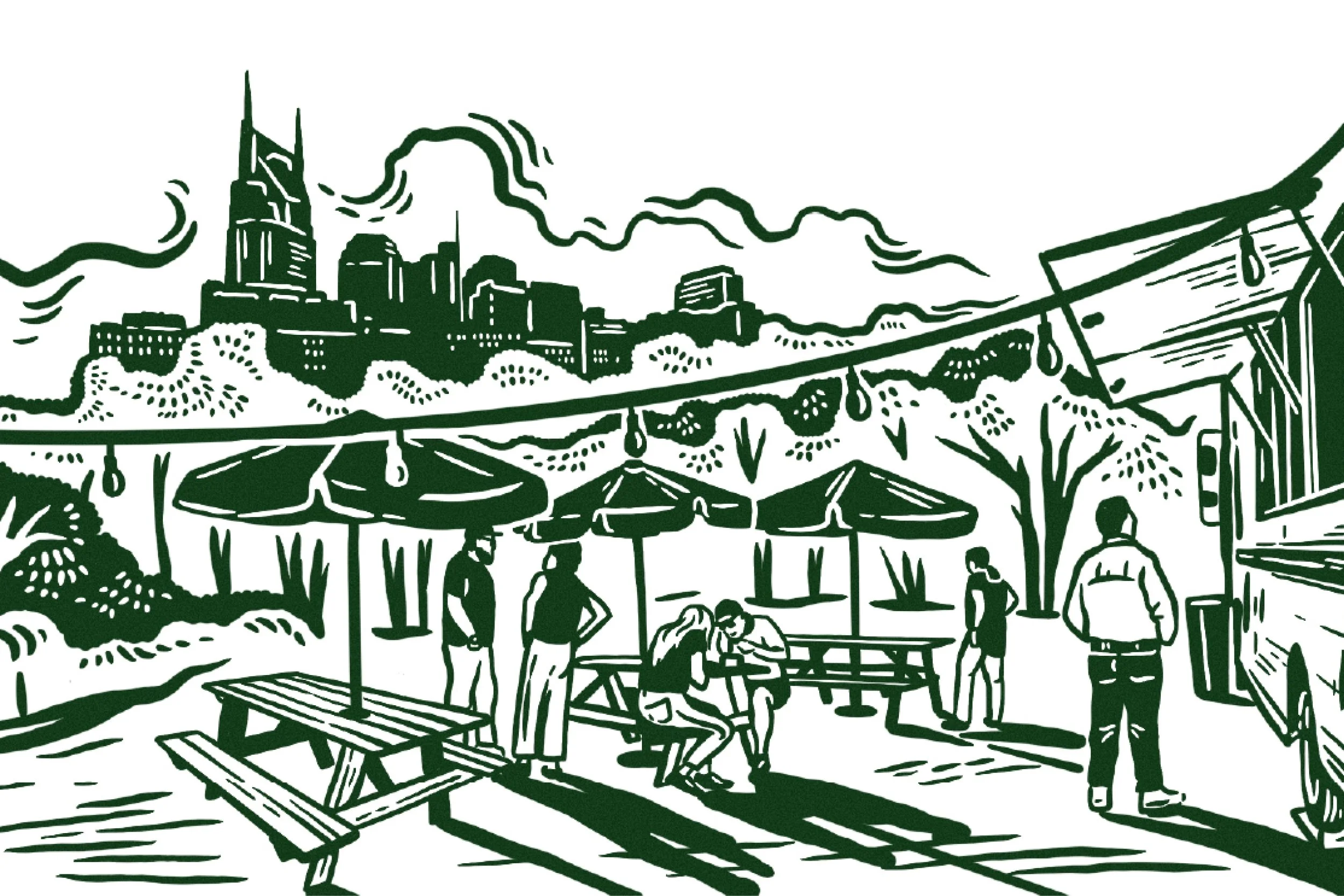
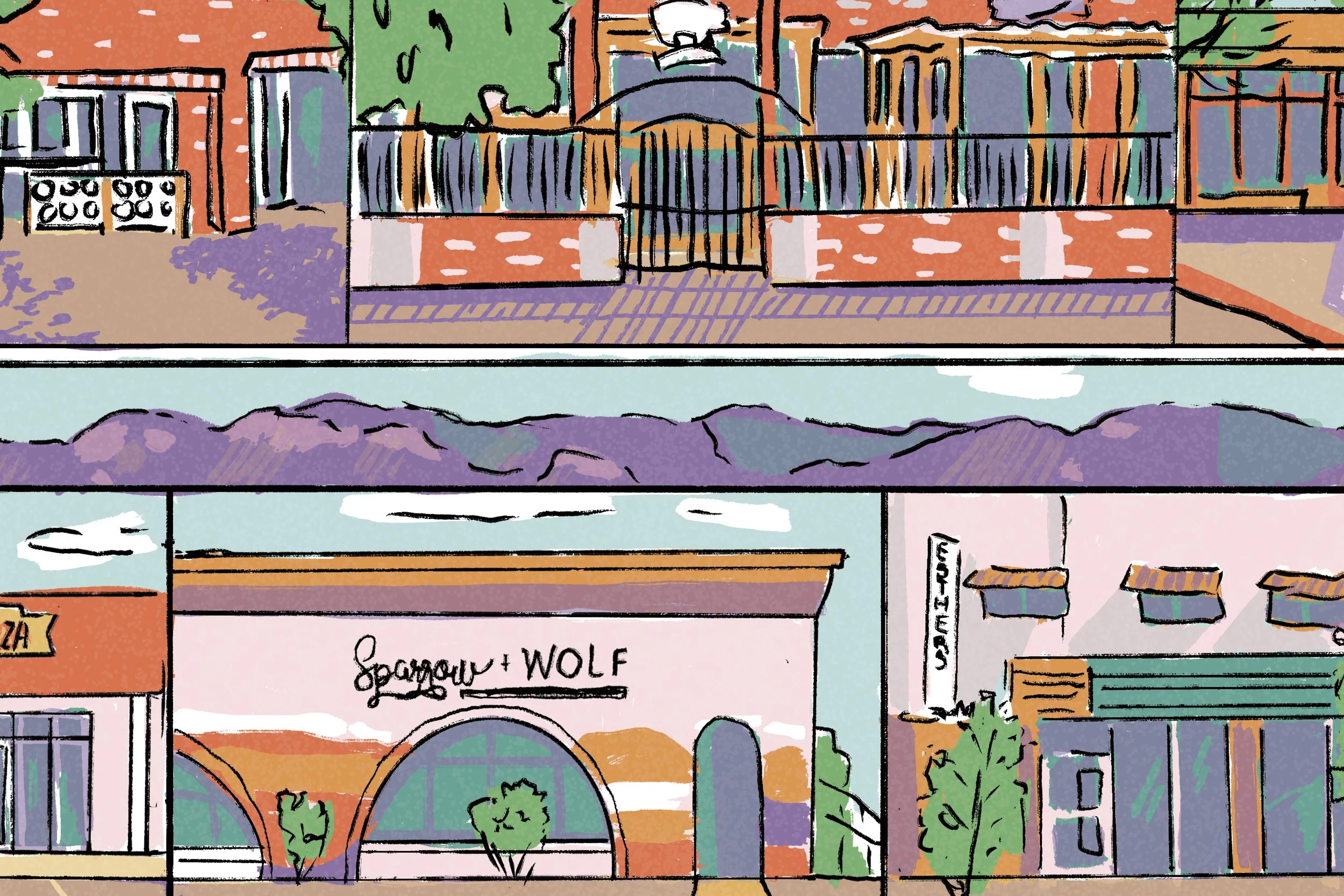
Illustration: Sarah Budeski
How does a city preserve its character while it welcomes in the new? Nashville's local restaurant owners find themselves at the center of that question as the city, known for its country sound and down-home food, sees exponential population growth and, with it, a bit of an identity shift as the arrival of outside hospitality groups joins the fray.
Growing Pains
Nashville has come into its own as a dining destination, with influential locally owned establishments cementing its gravitas as a culinary hub and drawing in outside investment eager to join the party. The city, which for years had a little-big-town vibe, has blossomed into an expanding metropolitan area. According to Nashville's Chamber of Commerce, at peak growth in 2022 and 2023, nearly 100 new residents migrated to Nashville per day. But growth comes with growing pains, and as higher property values have given way to higher property taxes, local restaurants are some of the first to feel the squeeze.
The first few months of 2026 came with a gut punch for many independently owned restaurants owing to a sudden, and many say incorrectly assessed, property tax increase. Business owners like Alexis Soler of Eleven11 Hospitality, who saw a 300 percent increase in her restaurant’s rent due to a lease renewal and new ownership, cite the municipal government’s lack of protections for small businesses as a key cause. “I’m grateful for a lot of what’s happening, and I’m not against growth,” says Soler. “I just think protecting what was here—the reasons we all came here in the first place—should be more important to the people running the city.”
When Restaurateur Jamie White opened his first bar in 2018, the costs were “pretty affordable compared to what I see today in terms of rent and buildout,” he says. But now, “the prices have jumped so high, I'm not sure how many locally owned businesses can operate in these new leases. They just did a tax reappraisal, and for anyone who has a triple-net lease, that [cost] goes straight to the tenant. A lot of small businesses got screwed over.”
The timing of Nashville’s growth, along with the pandemic and a devastating tornado in 2020, left an open lane for well-financed outside businesses to open locations and outposts in the city. “Places after COVID that didn't make it have been filled with out-of-town places,” says White. “In East [Nashville], we got hit with the tornado as well, so more businesses left and anything they rebuilt ended up being a chain.” While slow at first, those initial investments are now coming to fruition.
Owners Christen and Aaron Clemins of Bill’s Sandwich Palace believe that the city has failed to put policies in place to preserve its local business owners as it sets its sights on expansion. “The priority of the local government [is] to bring in more people and bring in larger companies for the short-term income for their pockets,” says Christen Clemins. “[They’re] not so much looking at the long-term growth for the people that already live here and for the businesses that already live here.”
“What policies get drafted have a lot to do with what kind of culture you want your city to have,” says Aaron Clemins. “Are the people that live there going to make the money, or the people that are in other cities making the money? Who's really growing? Who's really thriving?”
Chef Kahlil Arnold, the second-generation owner of Arnold’s Country Kitchen, a landmark meat-and-three restaurant, wants to ensure that, alongside growth, the city prioritizes protecting its local flavor and remembers the mom-and-pop shops at the foundation of its dining scene.
“We’re grateful to be a part of Nashville and to see the city’s growth, but on the downside, we’re not getting the tax breaks that would let us actually afford to maintain the business,” says Arnold. One solution, he says, is reinstating impact fees that would lessen the burden of local taxpayers by requiring outside developers to pay into the pot. “The impact fee is what big construction companies have to pay when they build,” says Arnold. “That money goes toward infrastructure—roads, sidewalks, all the stuff local businesses are now paying for through higher taxes.”
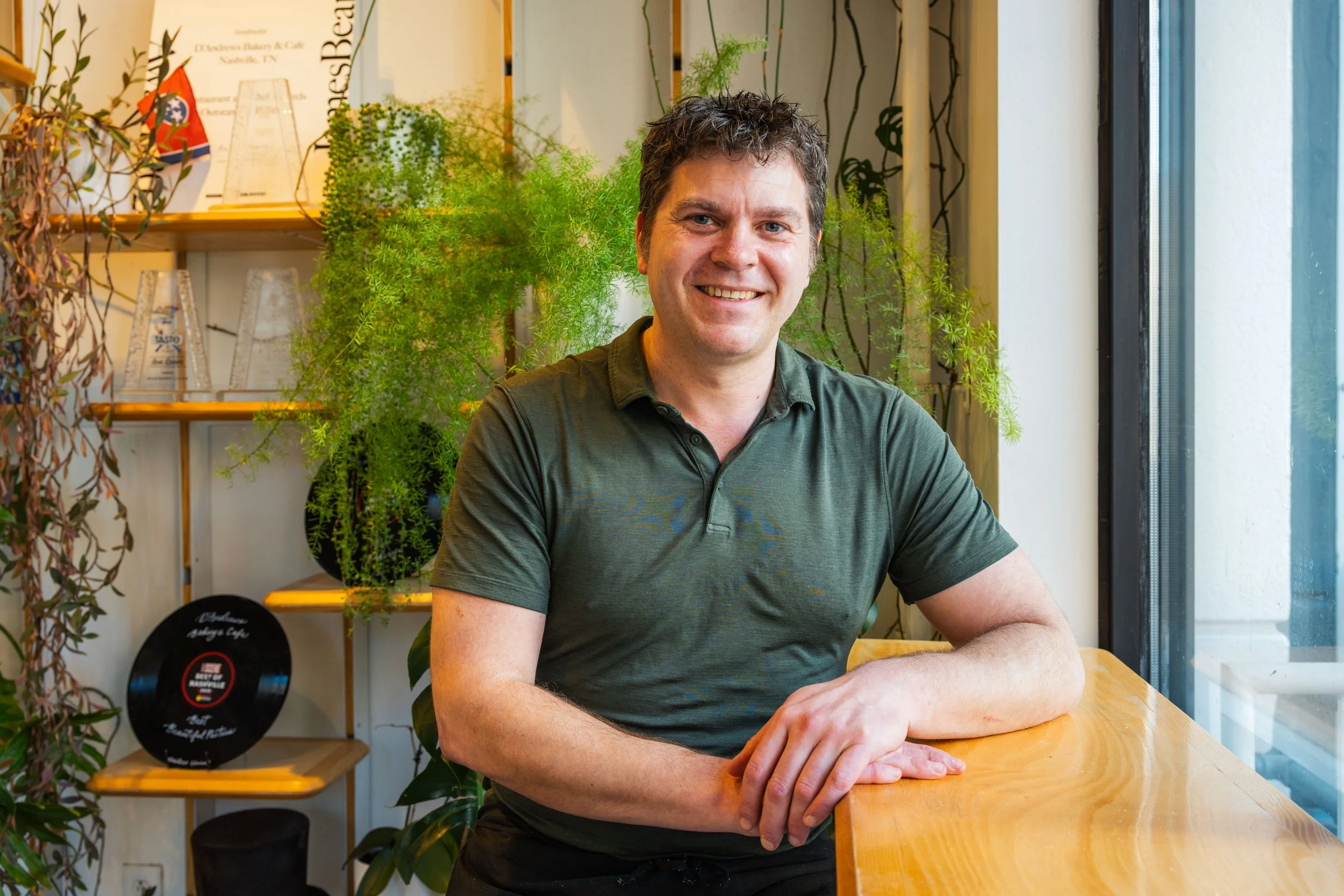
Chef David Andrews of D’Andrews Bakery
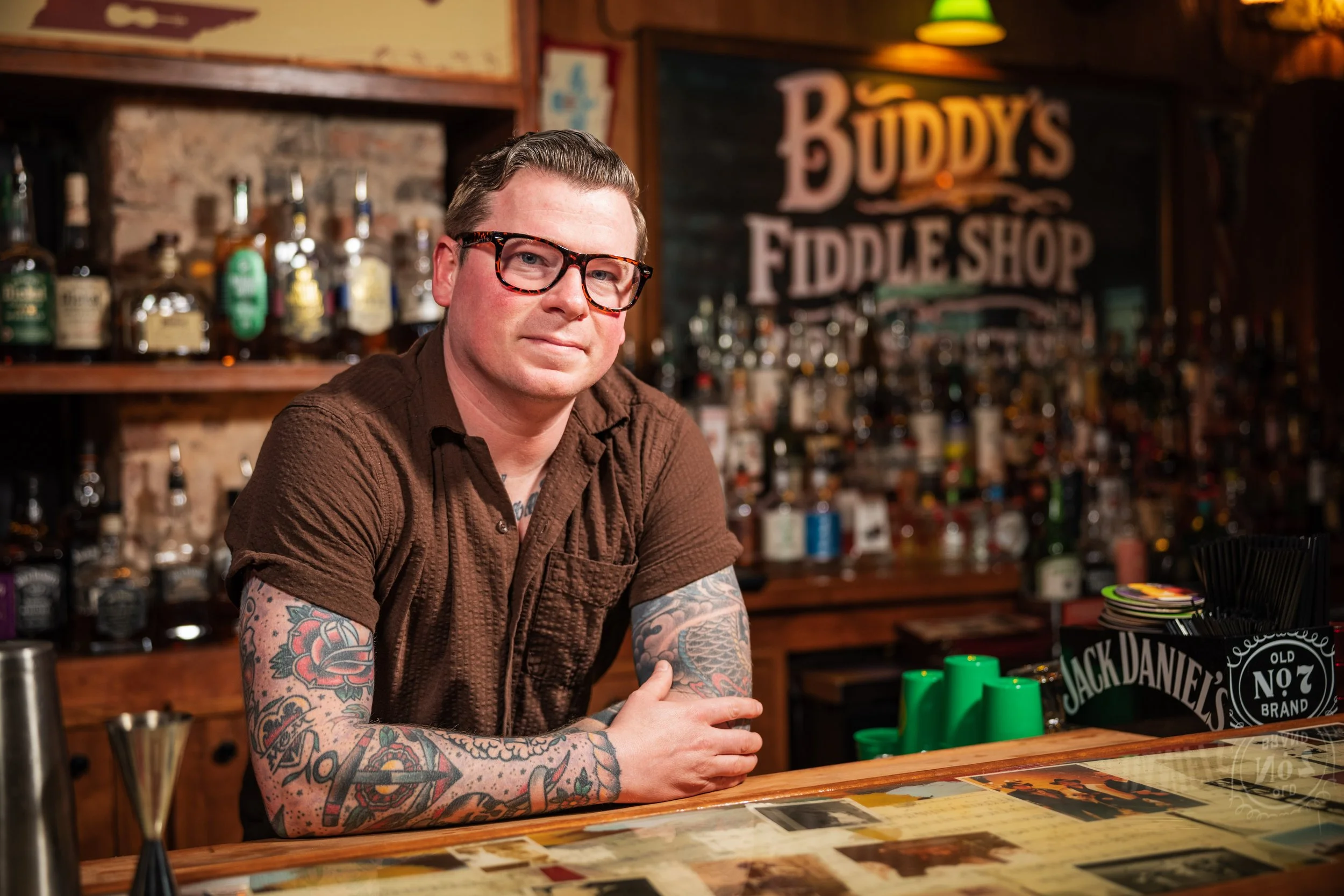
Restaurateur Jamie White of Buddy’s Tink Tonk and Lost and Found
Thinking Ahead
The influx of new openings and an expanding population has challenged restaurant and bar owners to think differently about their businesses. It has also altered the flow of tourist traffic more than ever before. “Back in the day, there were fewer options,” says White. It was “locals running things, and the tourists came to all the neighborhoods. But now, it seems like tourists come and just hang out on Broadway for four days.” The inverse is that these days “you get a more local feel in the spots that are more locally owned.”
For many in the city, establishing relationships with the community has proved to be a small-seeming, yet invaluable, tactic in keeping business afloat and countering the financial weight of increased costs. White, for example, hosts happy hours at several of his concepts and offers a 10 percent discount to guests with a Tennessee license at his bar, Buddy’s Tiny Tonk. Along with a group of partners, White has also helped open Lost and Found, an outdoor market, food truck park, and gathering space in East Nashville focused on fostering the growth of small, locally owned businesses.
Some local operators, like Baker David Andrews of D’Andrews Bakery, whose downtown location is flanked by new arrivals, say that the growth can and should be something that stimulates local business. “I try to be positive and think that it’s actually a good thing having more exposure and bringing more eyeballs to Nashville,” says Andrews. “I tell people all the time that a rising tide lifts all ships.”
Locals continue to question the municipal government, push for systemic policy change, and invest in each other. “We all know we’re going through it together. The support we have for each other is second to none,” says Chef Jesse Valenciana of The Secret Bodega.
That support means showing up and showing out for fellow independent restaurant owners. “I think it’s more about cooperation than competition,” says Christen Clemins. “We're in this little boat, and the boat may be sinking if we don't all work together.”
Ultimately, a saturated restaurant market means increased competition and added pressure for independent restaurants to distinguish themselves or risk being swept away. Chef Edgar Victoria of Alebrije believes that leaning into his concept’s inherent uniqueness amid rising competition in the city is a small business’ best defense against an increasingly saturated market. “To put your memories and creativity into food and share that food with other people—that type of mentality keeps me happy and sane,” says Victoria. “I would choose that over money anyway.”
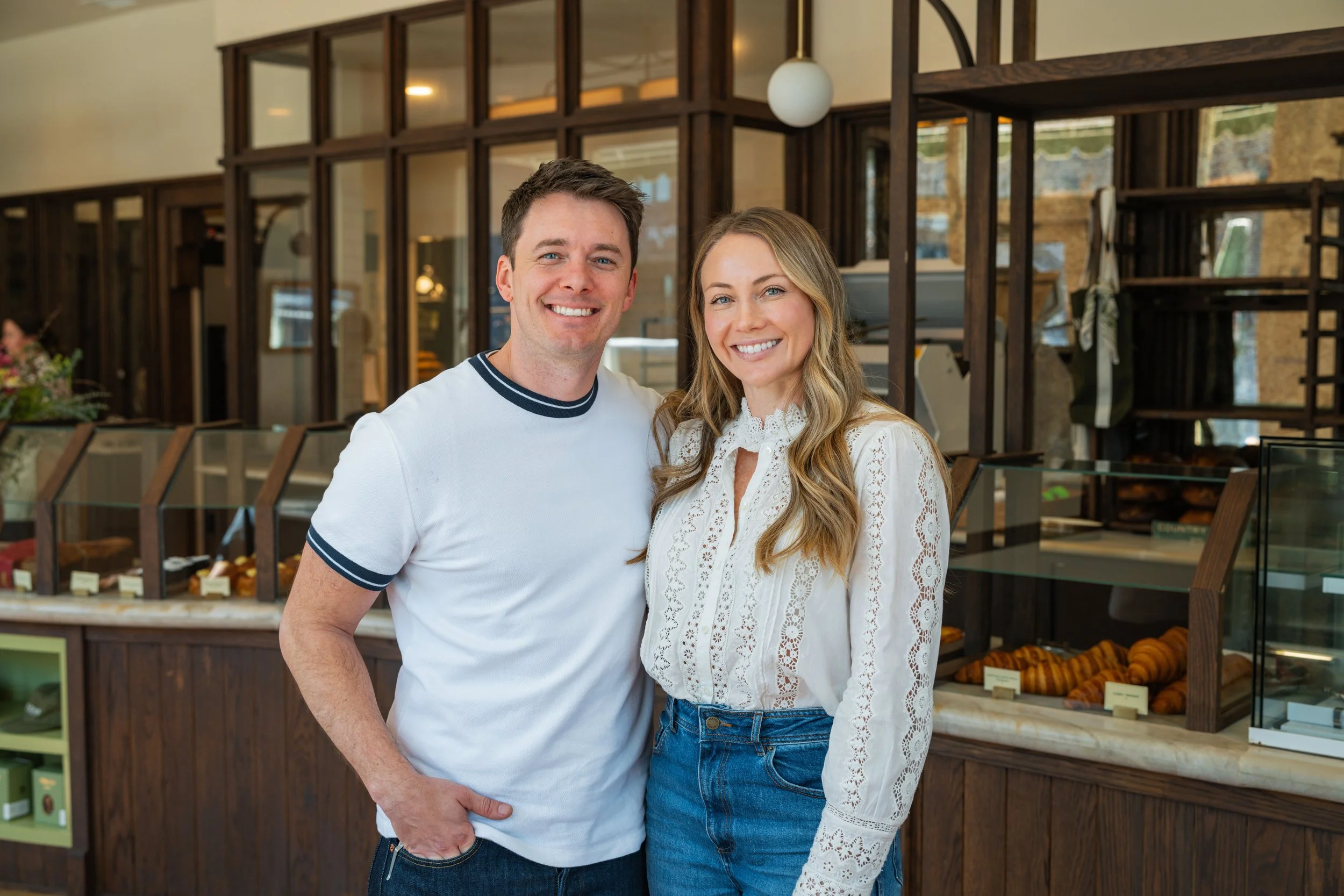
Restaurateurs Aubrey and Tyler O’Laskey of Perenn Bakery
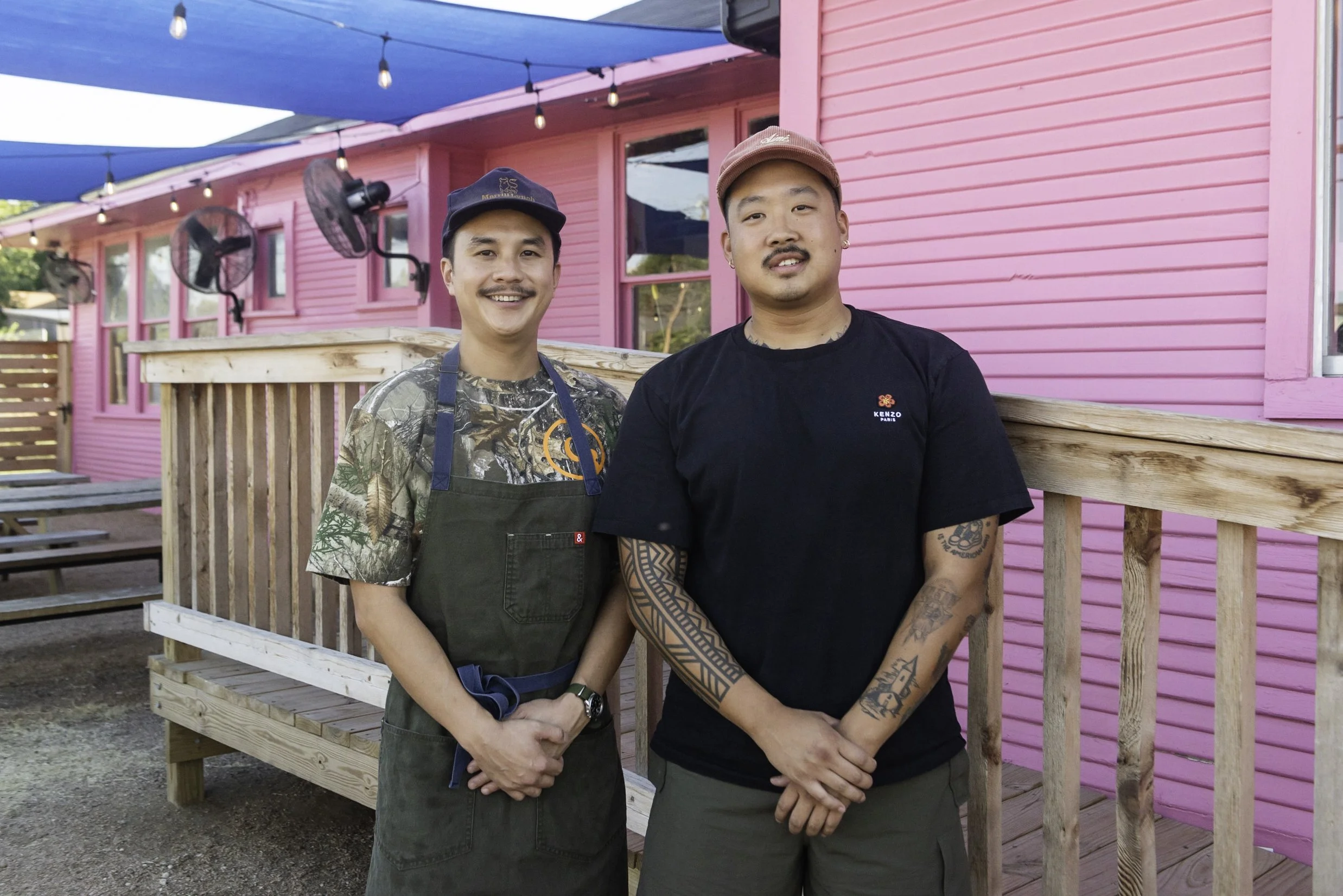
Restaurateurs Andrew Ho and Sean Wen of Curry Boys BBQ
Expanding Responsibly
While the recent influx of out-of-state concepts has led to strain, there are some new arrivals who are eager to grow alongside the city, lay down strong roots in the area, and contribute to the community.
Restaurateurs Aubrey and Tyler O’Laskey started their business, Perenn Bakery, in Reno, Nevada, but after opening four locations there, as well as a full-service rotisserie restaurant called Claio, the couple started to get restless and wanted to create new opportunities for themselves and for their team.
“We visited Nashville in 2023 for the first time, and we immediately fell in love with it,” says Tyler O’Laskey.
Not long after, the couple moved to Franklin, Tennessee, about 45 minutes south of Nashville. “We are not a big restaurant group,” says Tyler O’Laskey. Since opening their first location in Franklin in 2025, the O’Laskeys have opened two more locations in Nashville and at Cheekwood, and are opening a grocery concept in Wedgewood-Houston this summer.
Despite the frustration many have voiced about the changing landscape for restaurants in the city, the response was warmer than the O’Laskeys anticipated. “We received open arms,” says Tyler O’Laskey. “There are so many transplants here in Nashville, but we were surprised that people were so welcoming.”
For Restaurateur Sean Wen, the desire to bring his San Antonio-based Curry Boys BBQ to Nashville came from a genuine love for the city as well, especially its “burgeoning food scene and tight-knit hospitality community,” he says. “I realized that this community is special.” After a handful of visits to Nashville to collaborate with local chefs and host pop-ups, Wen thought the city was “primed for them to appreciate what we do.”
The mix of barbecue and Southeast Asian flavors that Curry Boys is known for seemed like a fit for a city like Nashville, where barbecue is beloved and where there is “a loud, proud, and prominent Southeast Asian population,” adds Wen. He also points to the growing, yet young, population of the city. “Because the people opening new restaurants are first-generation immigrants or grew up eating new things, there is a new perspective on food in that city, so you see cool concepts owned by younger folks.”
Curry Boys BBQ Nashville opened in 2025, and since then, Wen has placed an emphasis on the community that drew them to the city in the first place, taking a cue from other local businesses around town. “We were not from here and just opened,” says Wen. “We could be an evil corporation for all you know, but them giving us the benefit of the doubt and coming into the neighborhood made us feel extremely welcome in East Nashville.” Wen and his team jumped at the chance to return the favor, participating in charity galas, hosting local events, and collaborating with peers.
When the team behind Sauced in Brooklyn decided to expand to Nashville, they saw an opportunity to spread the word on natural wine. Like others, they were drawn to the community as well. “We love the people and energy there and saw exciting stuff happening in the food and beverage world,” says Creative Partner and Music Director Julio G. They found an old home in Germantown, built it out, and opened their doors in 2025. Since then, he has been committed to hosting DJs, local chefs, creatives, and artists at the space, giving people in Nashville a platform and opportunity to showcase their work in a new setting.
What separates these businesses from some of the other new arrivals in town is their commitment to Nashville itself. “I like [this outpost] being just for Nashville,” says Wen. “Whether that means continuing to push on collabs and pop-ups in the neighborhood or becoming more entrenched in the community, which might mean going down a different path than the other Curry Boys, that’s okay with me, to be perfectly honest. As long as it can be a place for people to go to and trust, that’s what is important to me.”
For new businesses coming to the city, local operators stress the importance of tapping into the tight-knit community and giving back to the culture that has made Nashville an innovative and unique dining destination. The message to new neighbors is simple: be friendly and get involved. Nashville is a welcoming city, ready to make room at the table, but it's also a community ready to defend itself against those looking to diminish its distinct character and magnetic charm.