How the wandering distillers behind Liba Spirits capture regional flavors from around the world
Photos: Alexander Zeren
What if distilling didn’t require staying put? That’s the radical and scrappy premise behind Liba Spirits, based in Nashville, Tennessee.
In an industry built on place—rickhouses, heritage grains, generational facilities—the company’s model is intentionally unmoored. Instead of building a distillery of their own, Colton Weinstein and Devon Trevathan move between them, producing spirits in Austria, Tennessee, and soon Mexico, and working within the margins of other producers’ schedules. They call it, half-jokingly, “ghost distilling.”
Weinstein, a native of upstate New York, entered the beverage world early, working in wineries before he was old enough to drink, and later studying fermentation science at Oregon State University. An internship at Nashville’s Corsair Distillery became a 15-year immersion into craft distilling. Trevathan’s route was a bit more indirect. After studying psychology and criminology, spending time abroad in Italy and Taiwan, and working in Nashville restaurants, she joined Corsair as a bartender and tour guide before falling in love with the world of craft spirits.
Crossing paths at Corsair, the duo hatched an idea that was just as practical as it was philosophical. Starting a distillery is capital-intensive and scaling one is even more so. But for Weinstein, there was another issue: creative stagnation. “With something like whiskey, you’re committing to years in one place,” he says. “We wanted a way to keep moving—and keep learning.”
Their solution is a nomadic production model: rent distilleries that have excess capacity, step in during off-hours, and make spirits that reflect both the base material and the place they’re made. Together, the pair has cultivated an expansive network of distillers through years of industry involvement, volunteer leadership, and travel—relationships that now fuel their nomadic production model. As a result, each product is shaped by the distillery, its raw materials, and the surrounding culture.
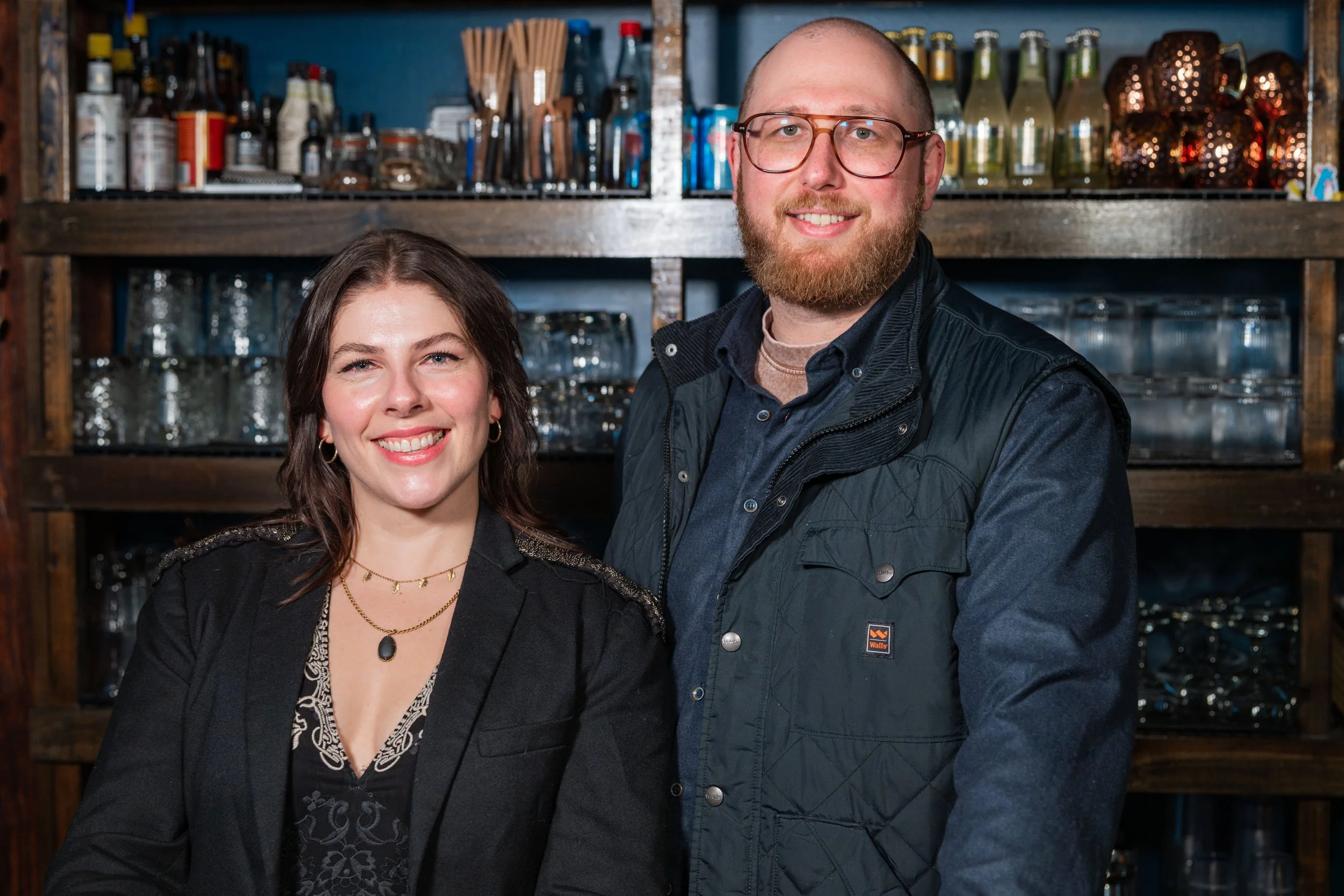
Devon Trevathan and Colton Weinstein of Liba Spirits
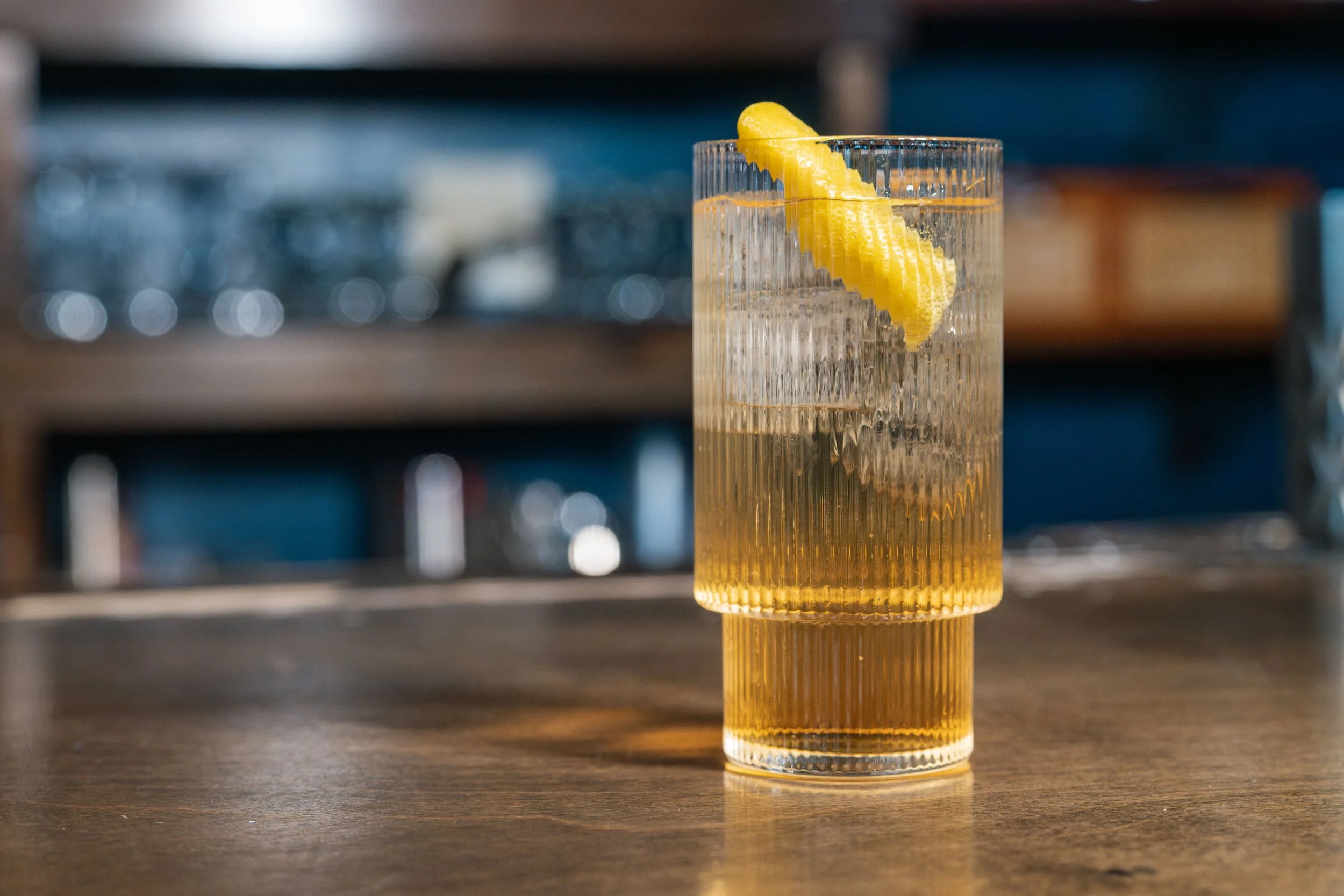
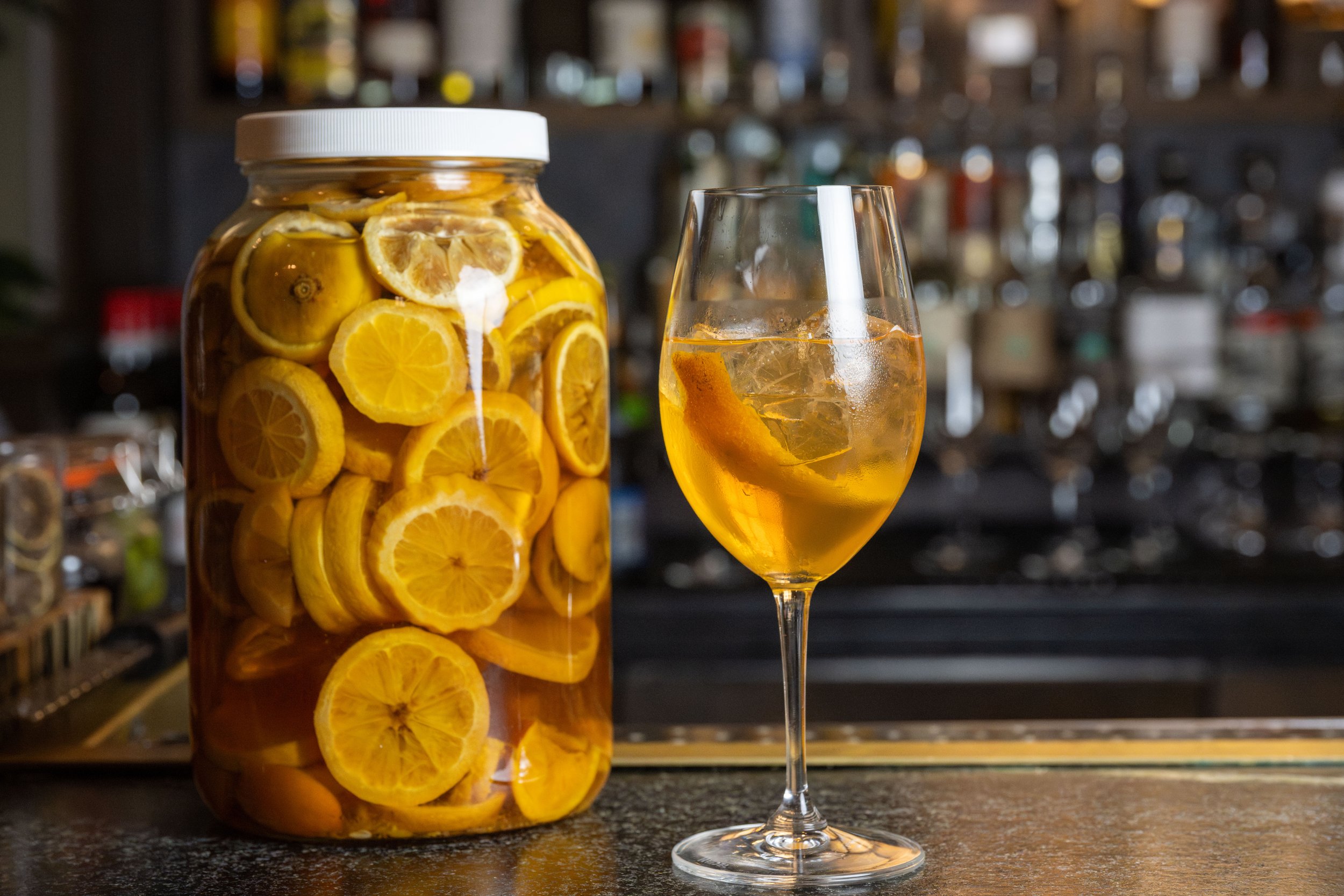
Pickle Spritz: Liba Spirits Teretivo Elderflower Nectar, Pickle Juice, Prosecco, Soda Water, Lemon Peel
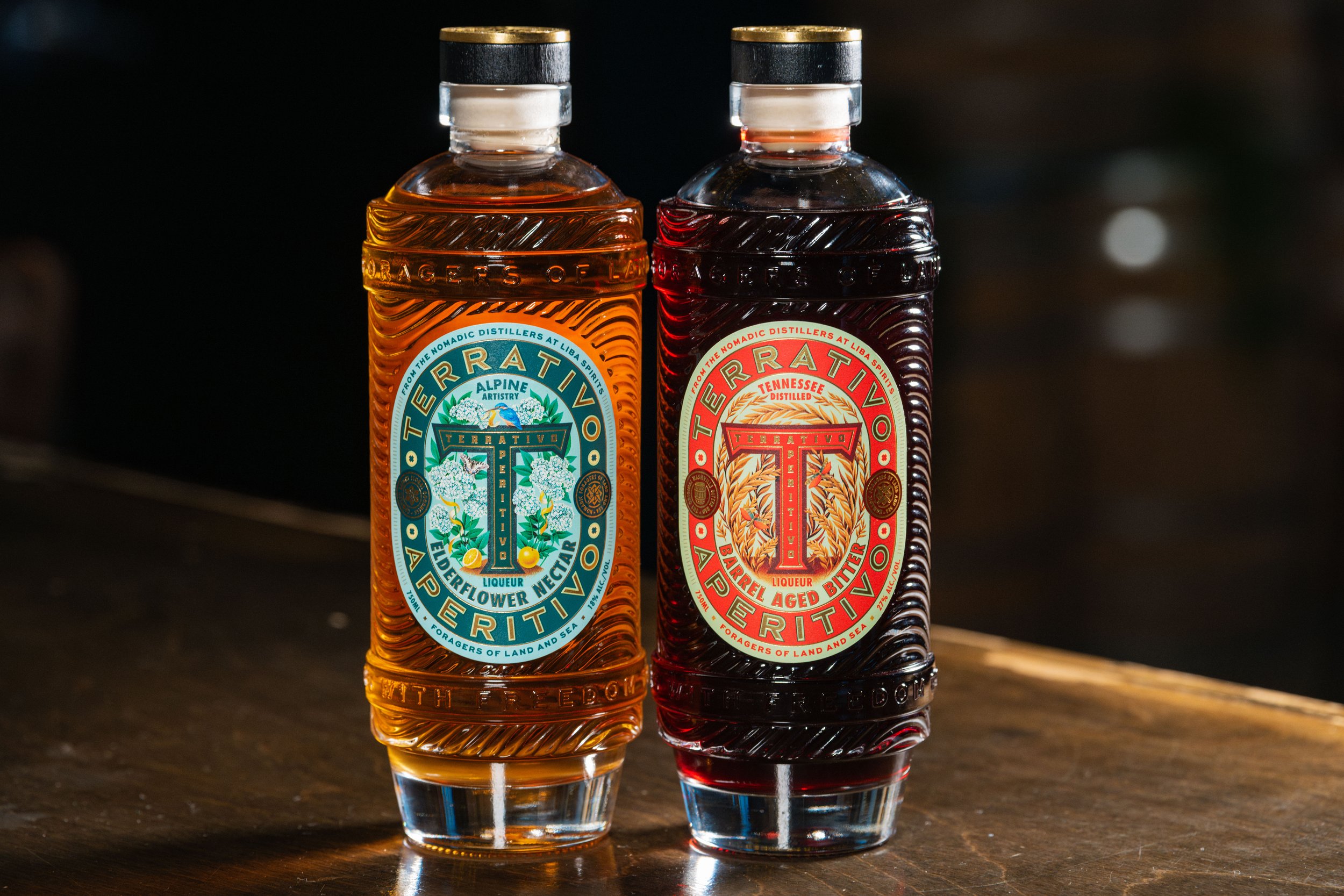
Liba’s core product is what they call “Terrativo,” a hybrid of terroir and aperitivo. Each expression begins with a base spirit produced on-site and then develops through layered infusions with local ingredients. Their elderflower nectar starts with a gin distilled in Austria; their barrel-aged bitter is built from a high-rye whiskey in Tennessee. The upcoming mezcal-based release, developed in Mexico, draws on a familiar ritual—an infusion of oranges, chiles, and saline.
“We’re not trying to replicate something exactly as it exists,” Trevathan says. “We’re trying to capture the experience of it.”
That balance between honoring tradition and asserting their own personality runs through every part of their process. Without a fixed facility, Weinstein and Trevathan handle nearly every step on-site: sourcing ingredients from local markets, prepping botanicals by hand, and managing infusion timelines with precision. Their work is less about scaling a repeatable formula and more about responding to the variables in front of them.
Ingredient availability dictates timing, often down to the month. A production run in Austria was scheduled around the narrow window for specific citrus from Northern Italy, while their project in Mexico is aligned with peak orange season. Even within a single product, the process unfolds in stages, with bittering agents, spices, and fruits each steeped at different intervals and under different conditions.
Once sugar is added, there’s no opportunity to adjust or correct, which means each component has to be fully understood before it’s combined. “You have to know where everything is going to land,” Trevathan says. “You’re building toward something you can’t fully taste yet.”
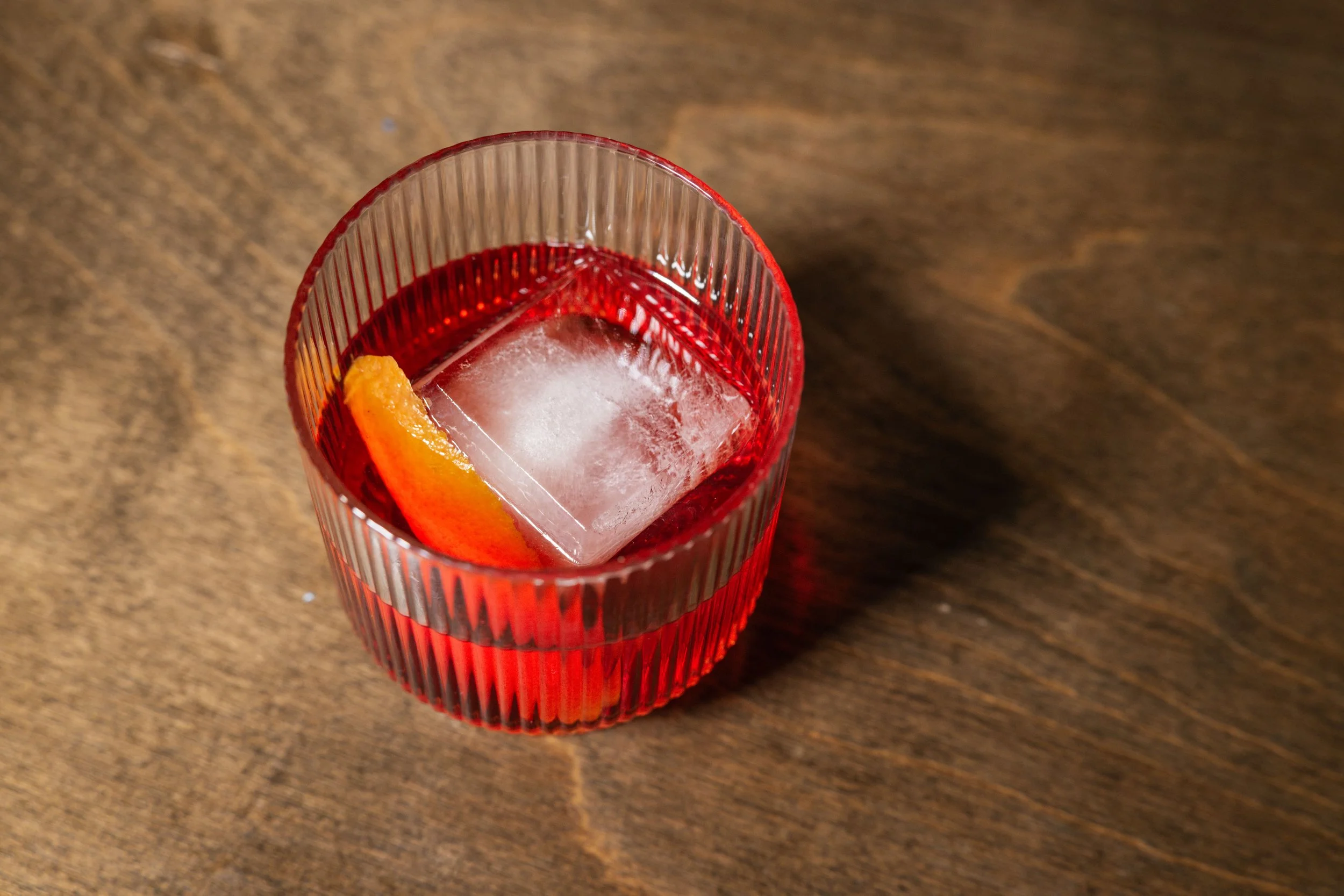
Negroni: Mezcal, Sweet Vermouth, Liba Spirits Teretivo Barrel-Aged Bitter
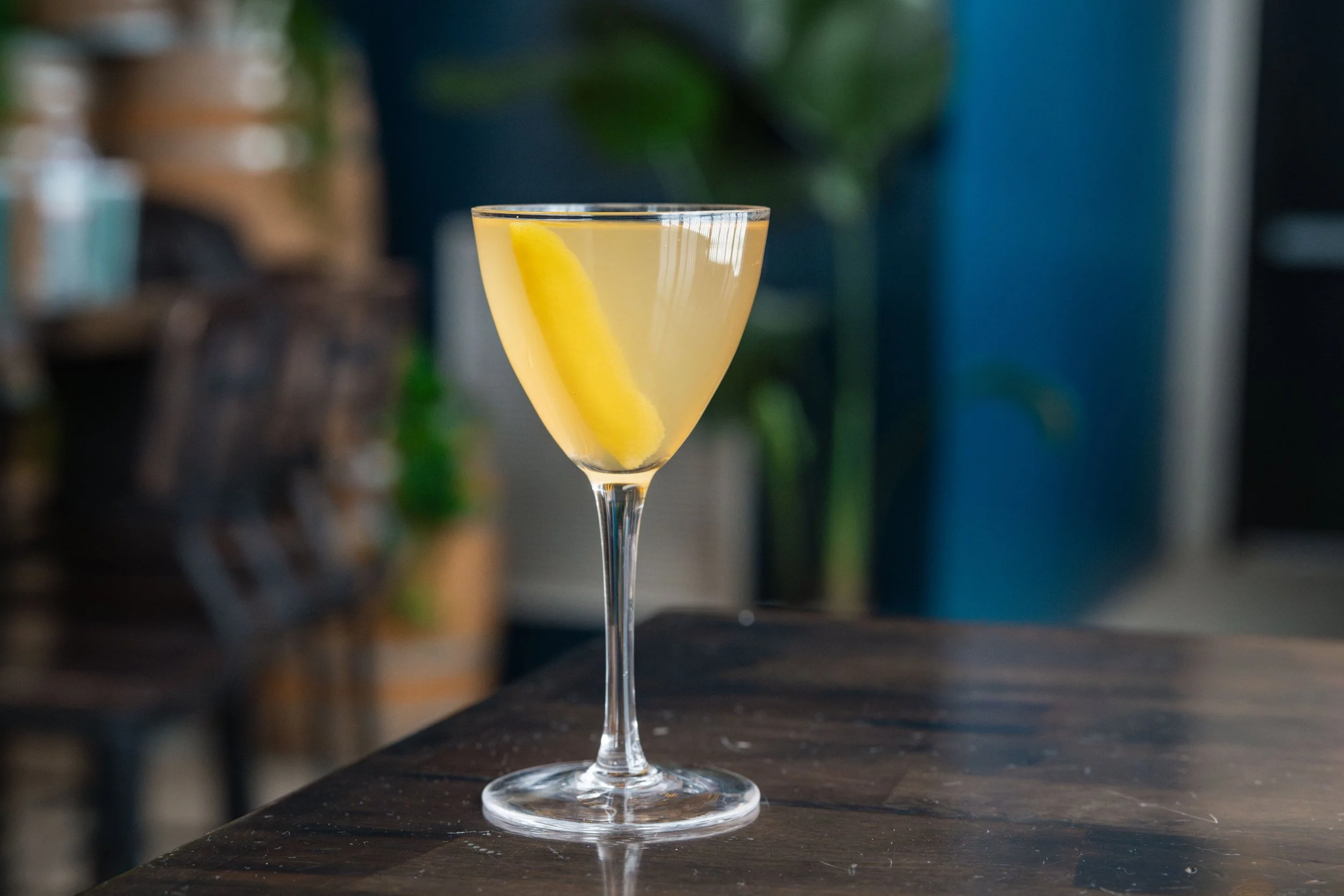
Left Bank Martini: Liba Spirits Gin, Dry Vermouth, Liba Spirits Teretivo Elderflower Nectar, Chablis, Lemon
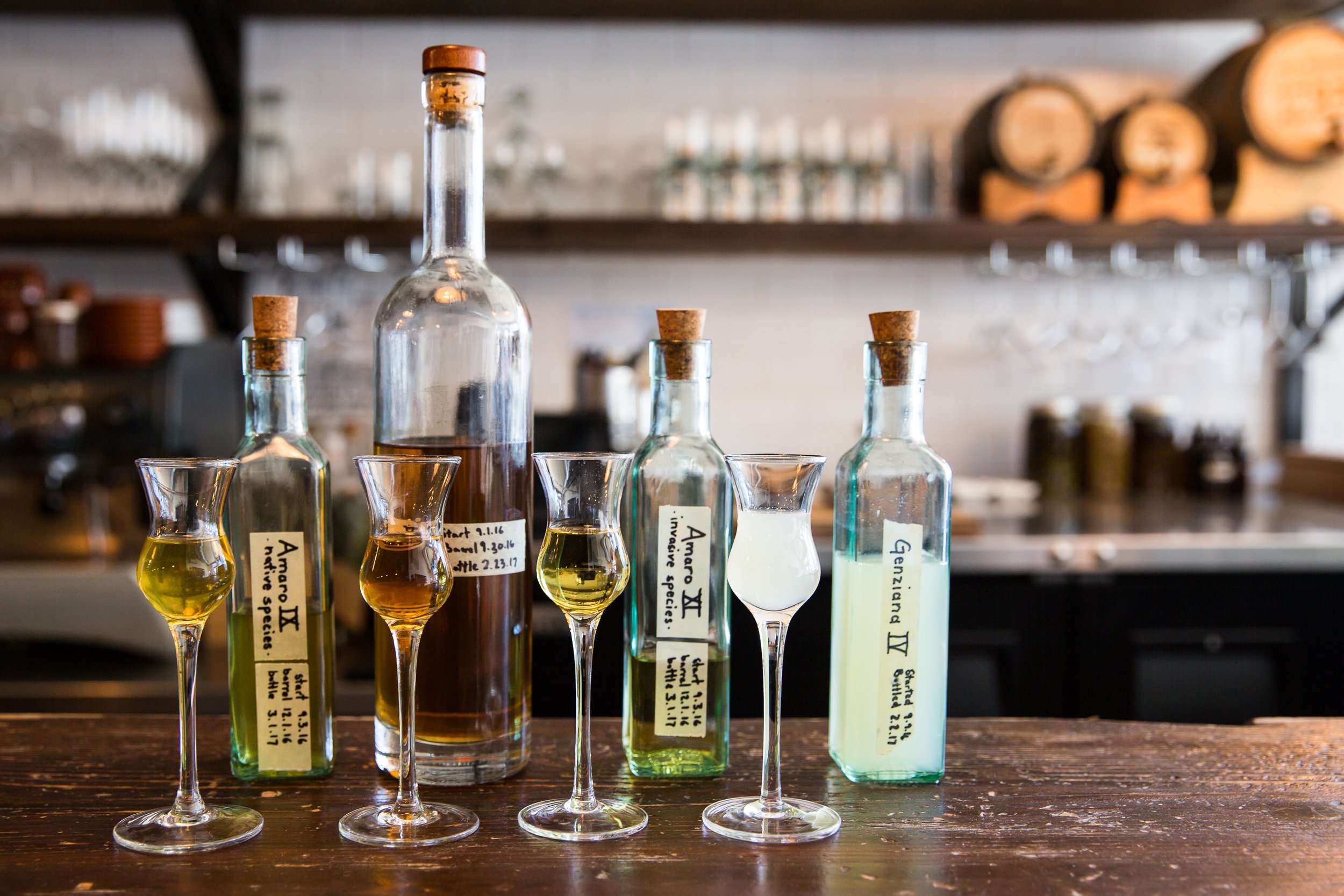
That constraint helps explain why traditional amari and aperitivi are often the result of decades—or centuries—of iteration. Liba compresses that timeline into weeks, relying heavily on the character of the base spirit to carry the final product. In the mezcal-based expression, that means preserving the integrity of the spirit while layering in citrus and controlled heat as complementary elements.
The distilleries themselves are also critical collaborators. Liba works with producers who have both the technical capacity and the willingness to participate in a less conventional process. In practical terms, that means access to equipment, raw materials, and supply chains—the components that typically drive up the start-up cost for distillers.
“We’re stepping into their world,” Weinstein says. “So we want to work with people who are thoughtful about what they do.”
Logistics remain fluid. Storage and bottling are distributed across partner locations, with decisions driven by efficiency and market access. Finished spirits may be bottled in Tennessee or Texas, depending on where they’re headed, reducing the cost and complexity of shipping.
“Since we are paying to rent the time and space of the distillery, and are often joining in on the [host distiller's] orders from suppliers, we organize this all under a single payment that's more or less a contract fee,” says Trevathan. “Often it works out as a benefit to the distillery since we are offering them some passive income, thus ensuring larger volumes and better cost per unit.”
At a moment when the spirits industry feels increasingly saturated, Weinstein and Trevathan are leaning into specificity over scale. Their products are tied to particular places, ingredients, and timelines—conditions that can’t be easily replicated. That constraint, rather than limiting them, defines the work.