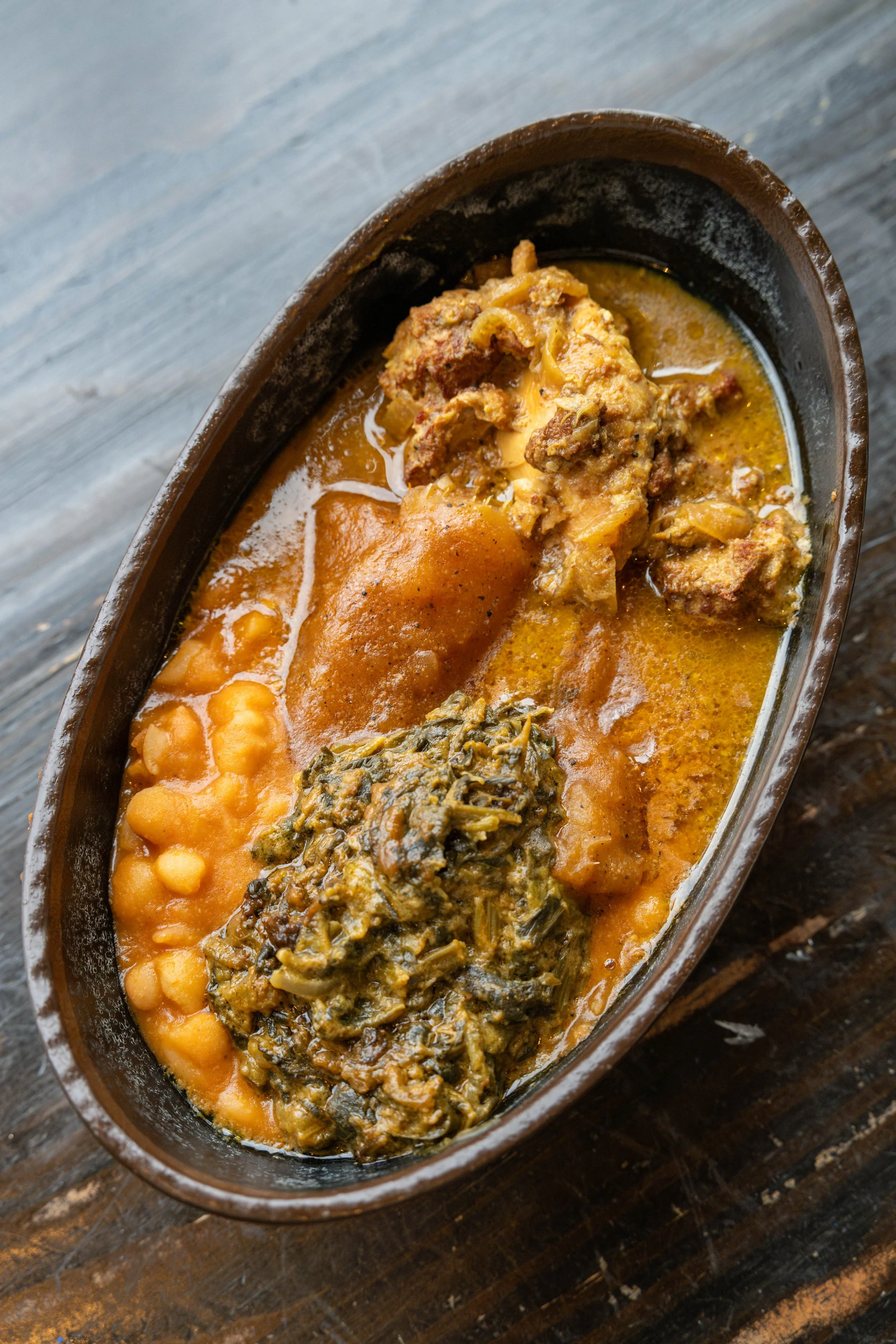
Baobab Fare | Detroit, MI
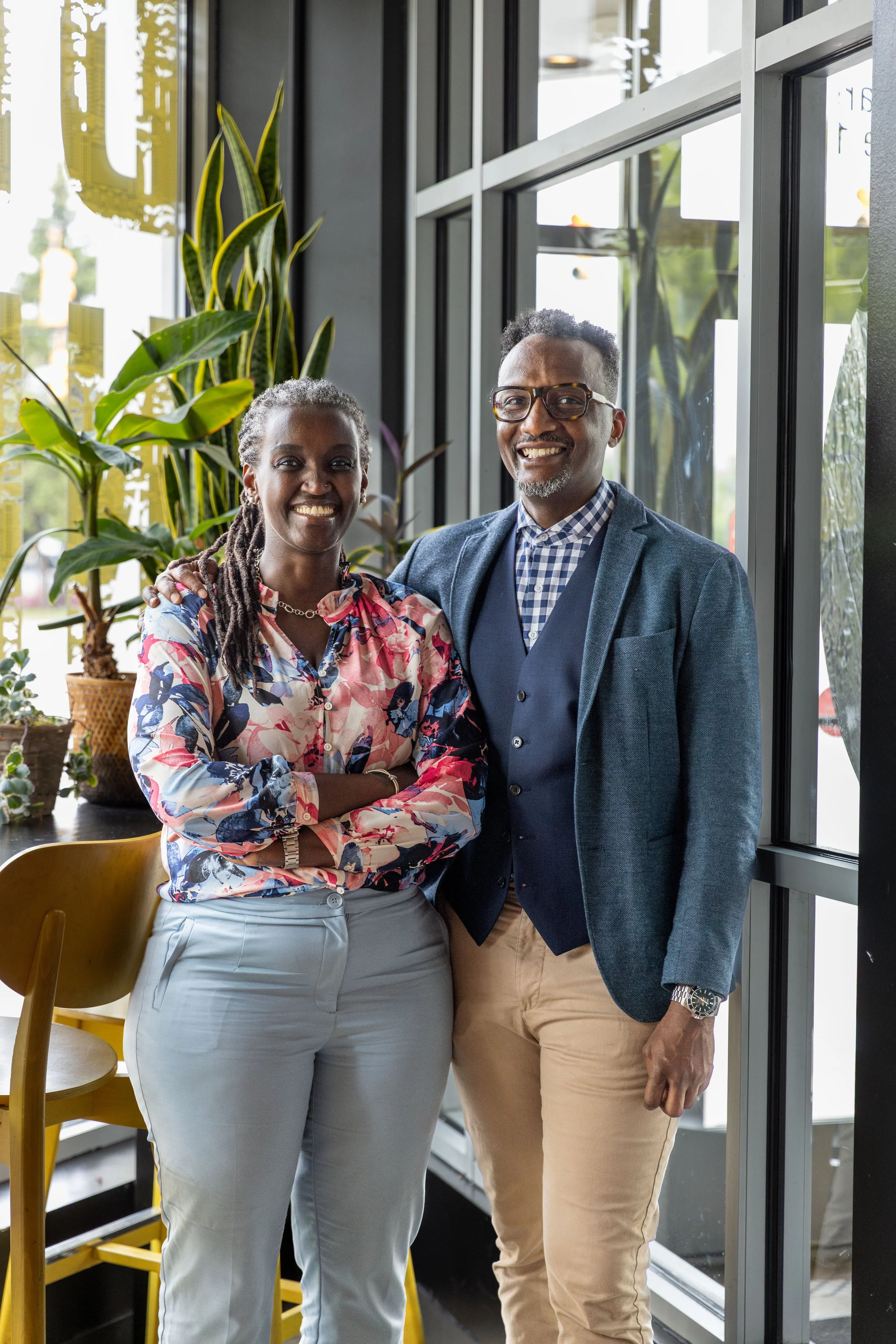
July 2025
In 2013, Nadia Nijimbere Mamba was forced to flee her home country of Burundi after years spent working as a human rights activist. Her husband, Hamissi Mamba, was unable to secure a visa to the United States and had to stay behind. Seeking political asylum in Michigan, Nadia settled down at Freedom House Detroit, a local shelter for immigrants and refugees, and soon discovered she was pregnant with twins. In a new city and without her husband or family, Nadia gave birth to her two daughters. It was another two and half years before Hamissi was reunited with his wife and children.
Frustrated by the lack of good job opportunities and longing for the flavors of home, the couple started to dream of opening a restaurant. Hamissi, who had an MBA and had worked as a sales and marketing manager back in Burundi, and Nadia saw an opportunity to build a business, connect with their new community, and bring East African cuisine to the Motor City. In 2016, after being granted asylum, the couple started hosting pop-ups around the city. The next year, they won a grant through Hatch Detroit, a local organization that supports the development of small, independent businesses. Once they received additional funding from the city, they took out a loan and started to build their restaurant. Over the next few years, Hamissi and Nadia developed their concept, secured a space, and began construction.
Despite setbacks caused by the pandemic, the couple persevered and opened the doors to their restaurant, Baobab Fare, in March 2021. With a second location of Baobab Fare in the works—as well as a brick-and-mortar space for their street food concept, Waka—the couple is working with Freedom House Detroit to provide job opportunities and growth to other immigrants and refugees, some of whom have been with the restaurant since they opened. Through Baobab Fare, Waka, and Soko—their lifestyle and consumer packaged goods brand—Hamissi and Nadia are showcasing East African and Burundian culture, sharing their story, and nourishing their community while paving the way for new business owners and entrepreneurs, regardless of their backgrounds or origins, to find success in Detroit.